Nine different ways of using technologies based on microbes that can make space research more circular and generally more sustainable.


Nine different ways of using technologies based on microbes that can make space research more circular and generally more sustainable.

A new study proposes a technique to print images on a special surface such that they can only be seen by authorized recipients.
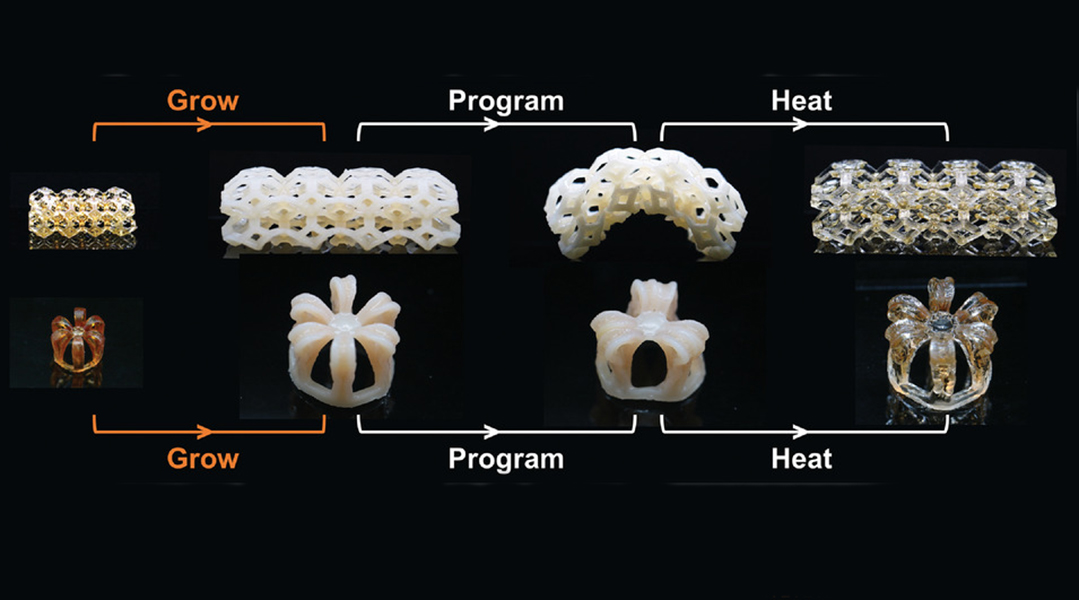
4D printing produces a living polymer network that can be printed into 3D shapes and then broken down into its monomer units for reuse.
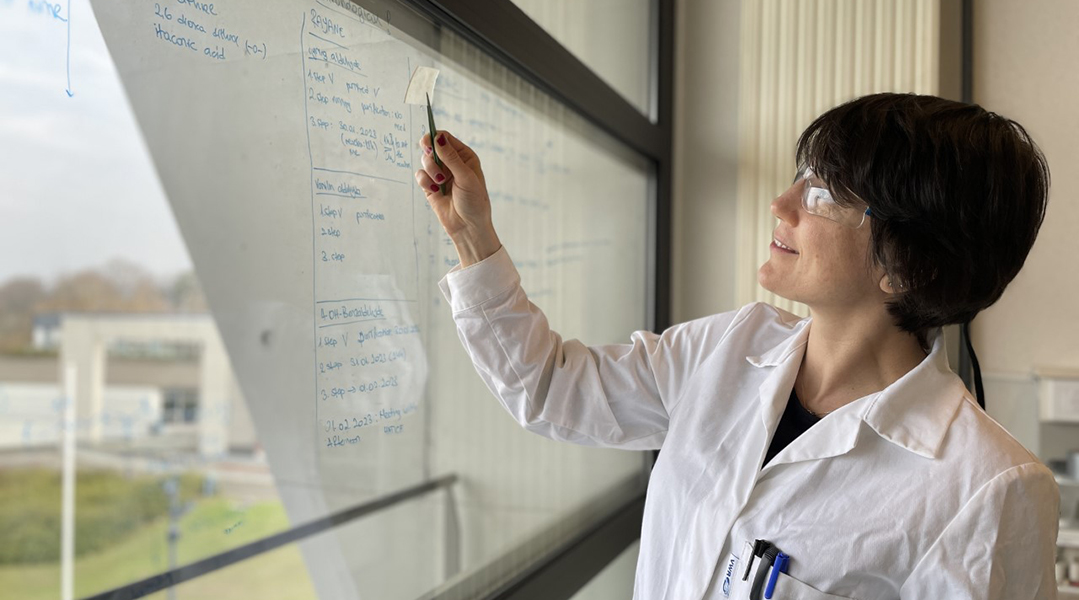
Chemist Hatice Mutlu applies zero-waste methods to create biodegradable polymers that can be used perpetually.
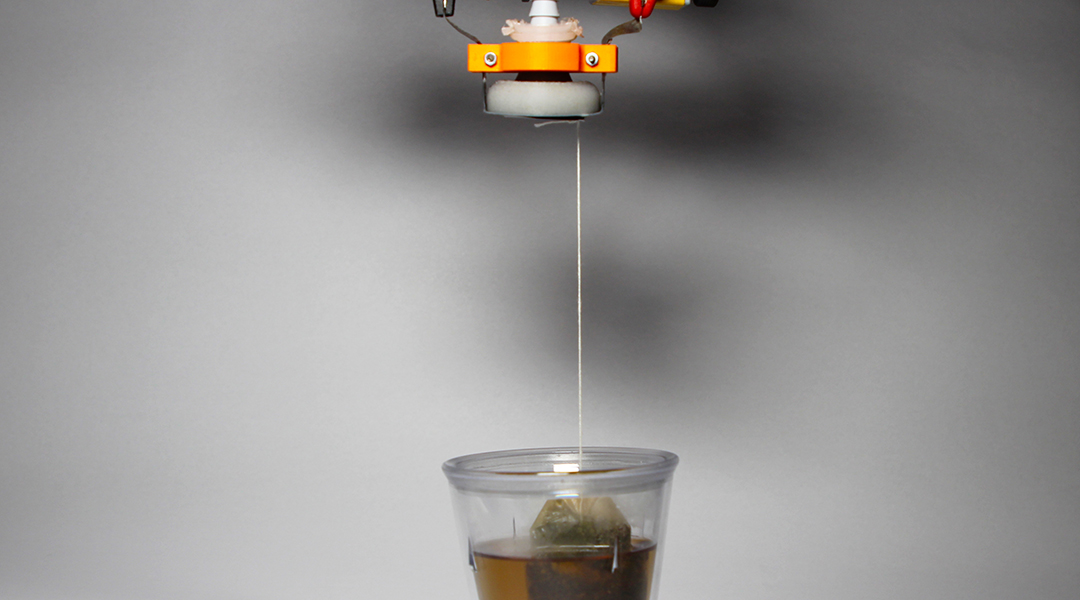
Resembling a balloon filled with coffee grounds, this gripper uses granular jamming and electrostatic interactions to manipulate objects.
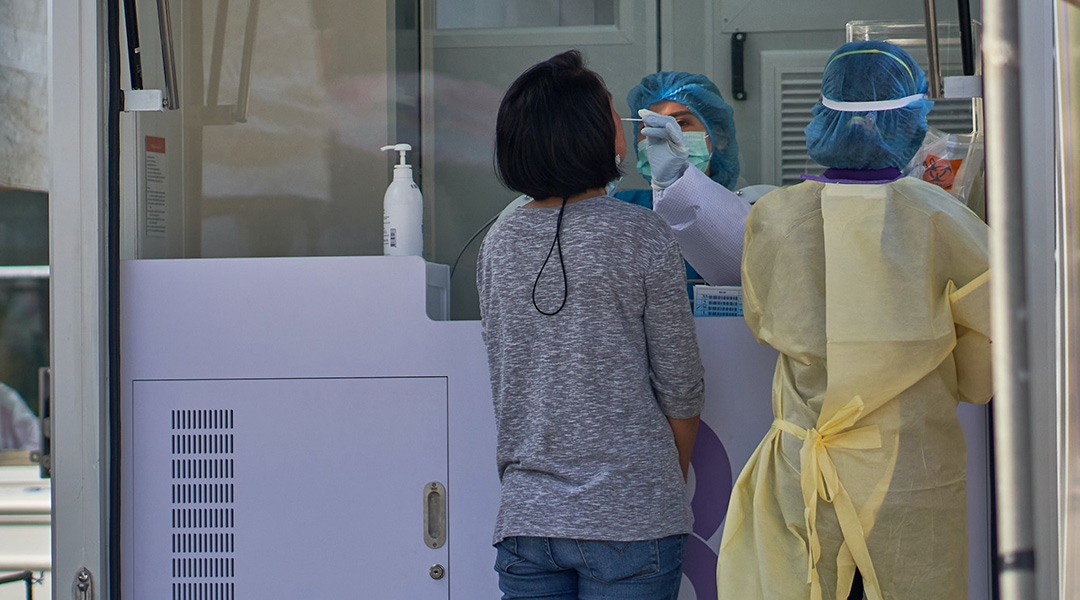
Researchers turn to nanotechnology to boost the detection of pathogens, including SARS-CoV-2.
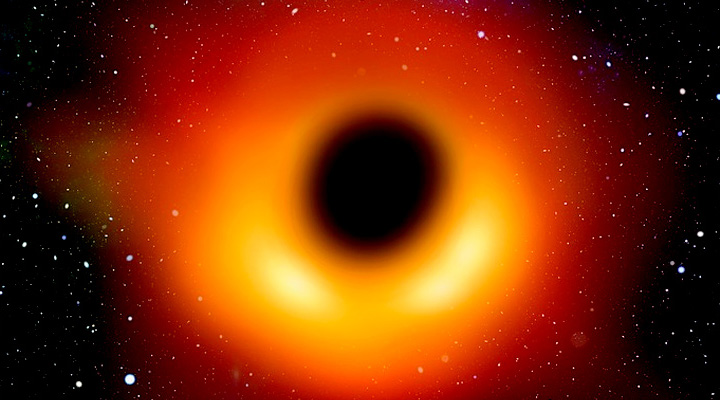
Finding the Universe’s first black holes with the help of Hawking radiation.

A new study finds that the quality of our relationships later in life can affect our chances of developing chronic disease.

A new study evaluates gravity using string theory, a promising candidate for describing particle interactions at their most fundamental level.
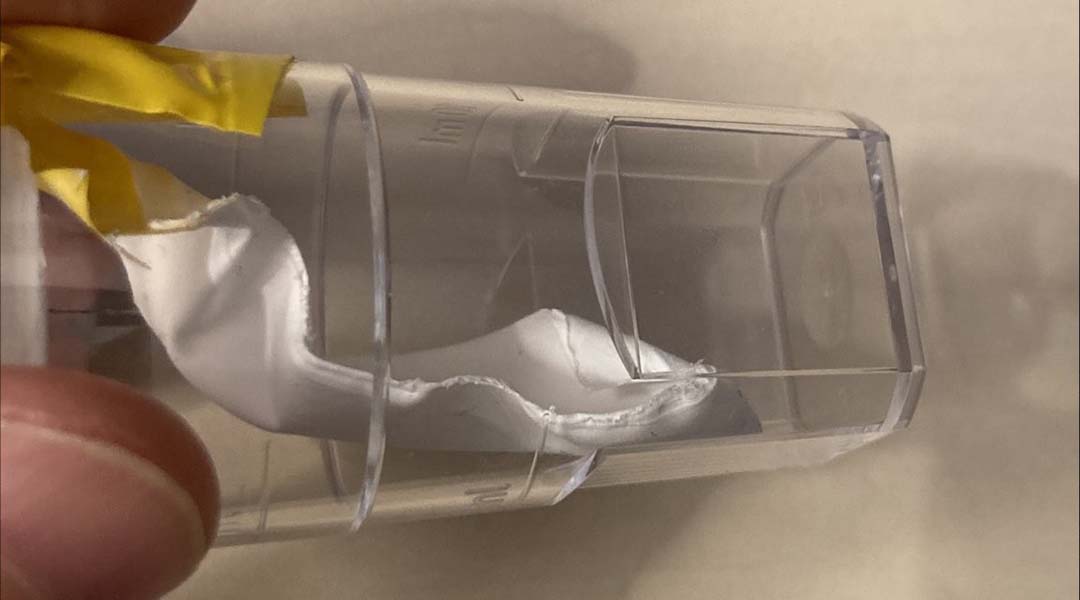
A new triboelectric laminate can convert movement to electricity 400 times more efficiently in wearable and implantable technologies.
 New theory suggests gravity is not a fundamental force
 Higgs boson may be driving the Universe’s expansion
 Water-powered gadgets may be on the horizon thanks to new evaporation-based energy device
 Scientists discover a new class of antibiotics
 Micron-sized hidden dimensions could solve two of physics’ deepest puzzles
 A new type of dark matter could explain mysterious radiation from the Milky Way’s core