Pre-activation of plastics with fluorine-containing molecules disrupts their stability, making them easier to break down and upcycle.


Pre-activation of plastics with fluorine-containing molecules disrupts their stability, making them easier to break down and upcycle.

Scientists create magnetism in a non-magnet at room temperature for the first time, with implications in quantum tech and computer science.

A sensational paper argues that AI could be responsible for the scarcity of advanced technological civilizations in the Universe.
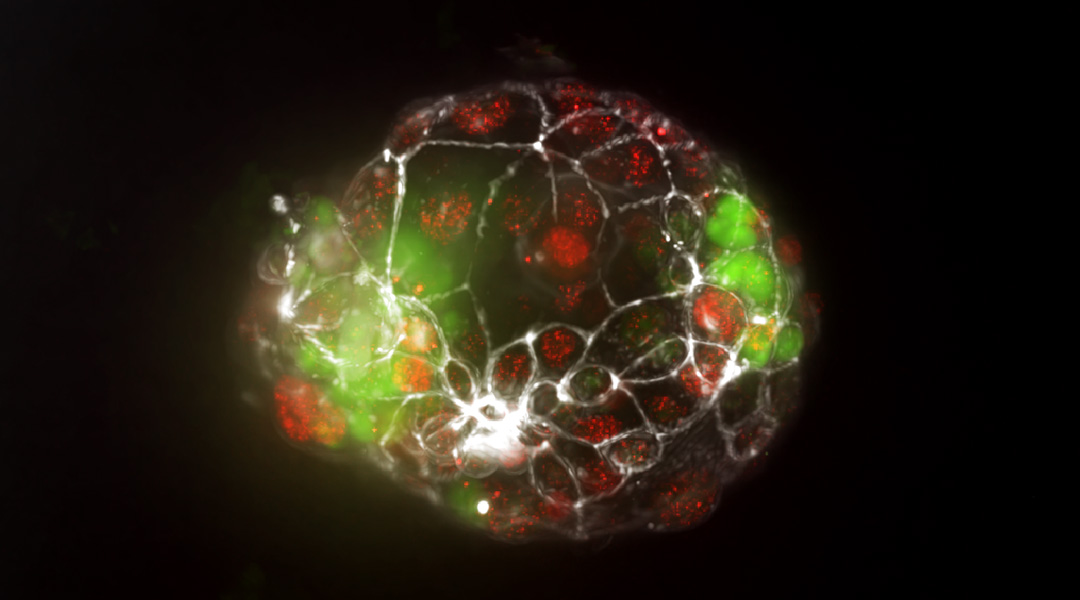
A new organ-on-a-chip model allows researchers to study the splitting of the embryo during pregnancy for the first time.
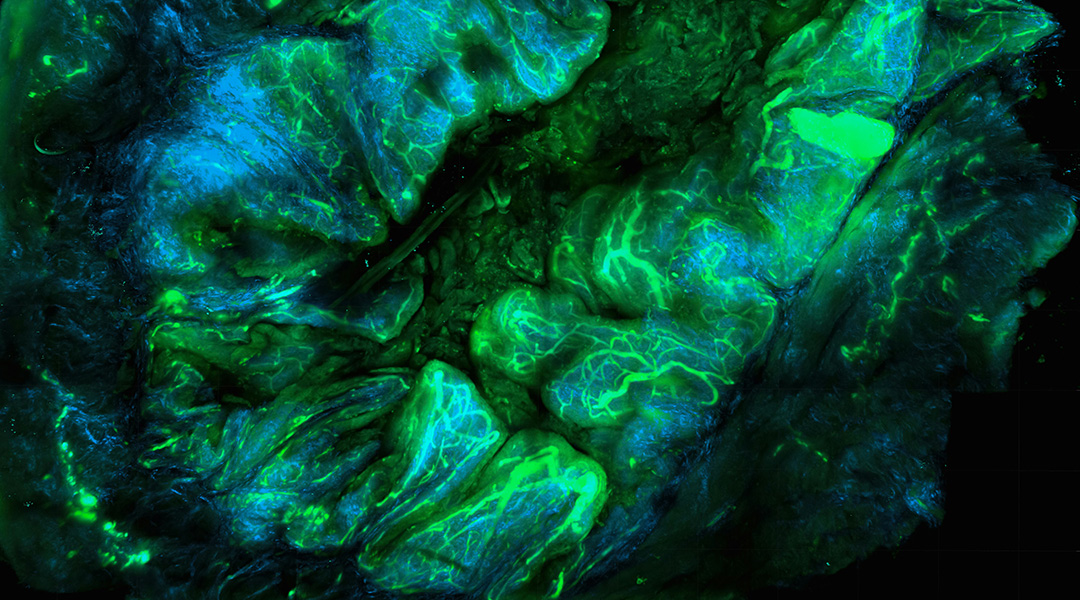
New probe system offers real-time protein mapping within living cells, unlocking insights into cellular function and disease mechanisms.
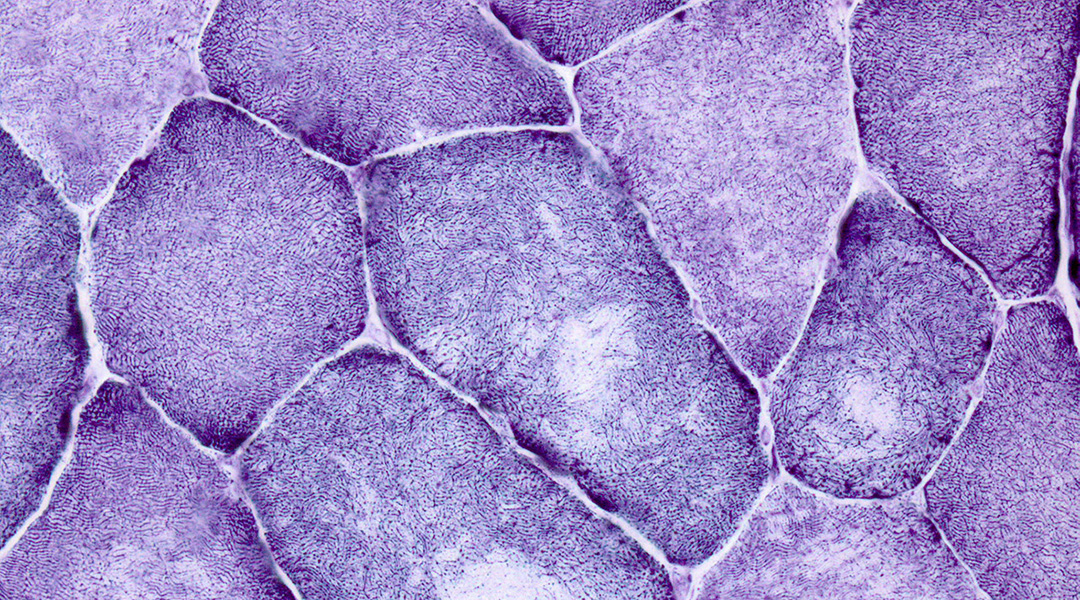
Understanding how muscular atrophy occurs on the cellular level could help researchers identify new drugs to treat the condition.
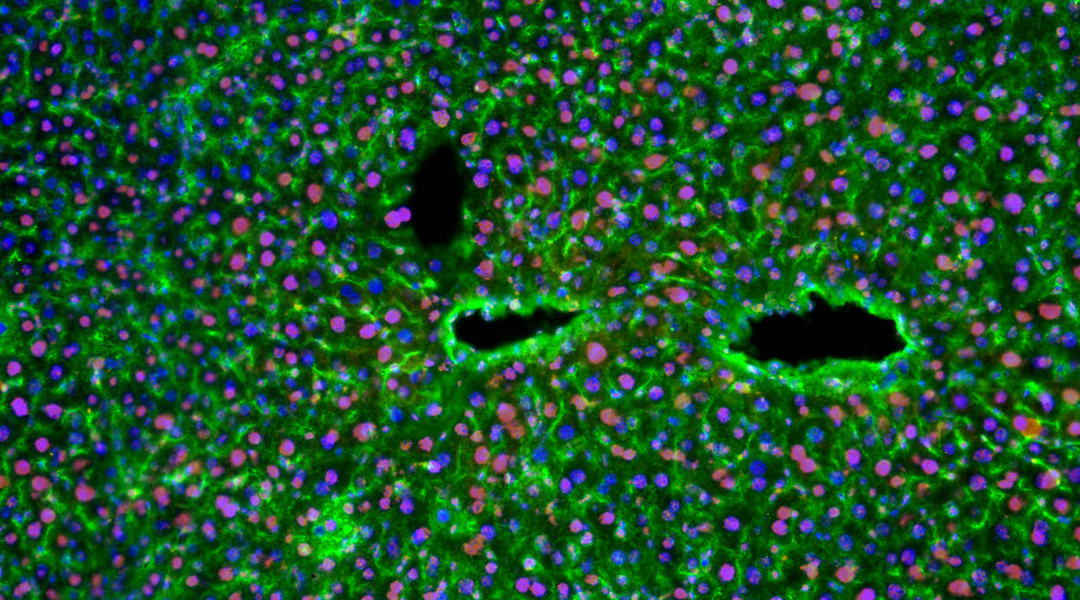
A new study finds that amyloid beta, a culprit in Alzheimer’s disease, is important for maintaining a healthy liver.
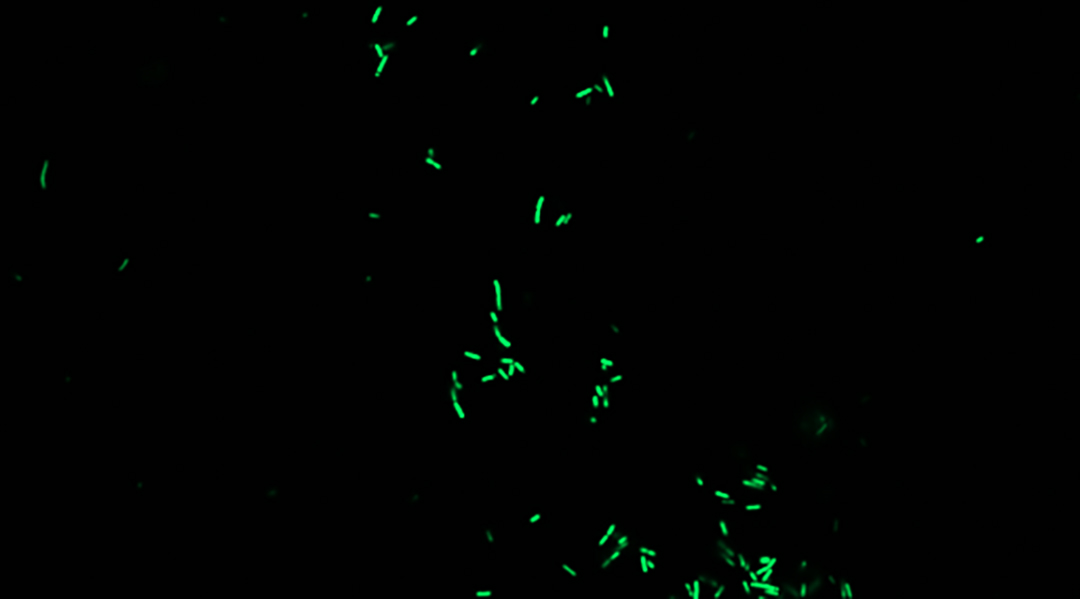
First living biosensor developed to study honeybee gut microbiome, providing insights into health and conservation.
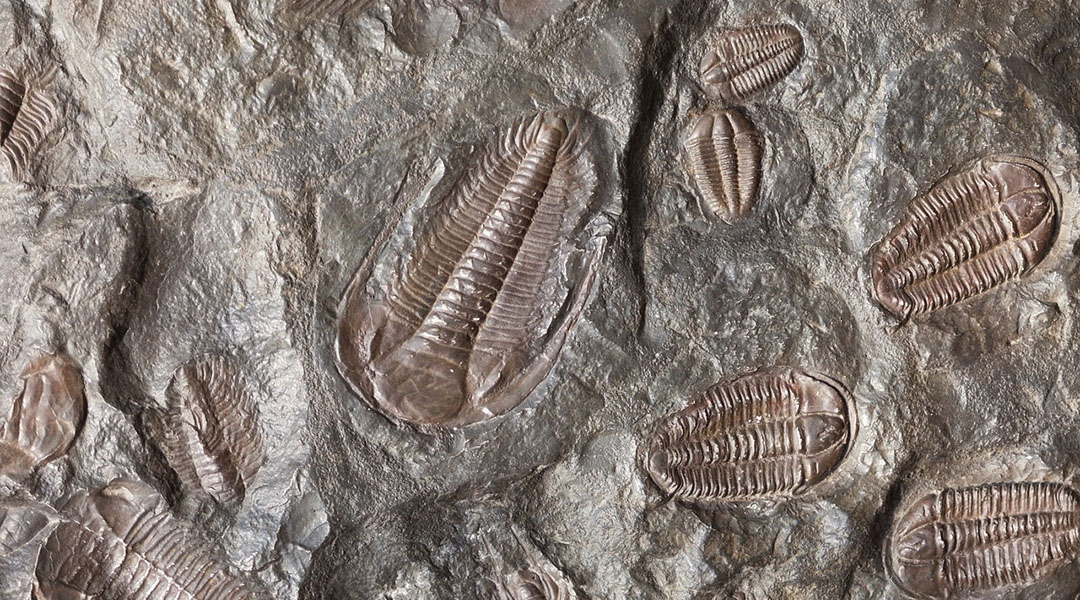
In this second article in a series on philosophy and science, we take a look at dialectics and its relevance to understanding change in the natural world.

Much of the world’s road and rail infrastructure is decades old, and future climate change will make it difficult to run and maintain.
 New theory suggests gravity is not a fundamental force
 Higgs boson may be driving the Universe’s expansion
 Water-powered gadgets may be on the horizon thanks to new evaporation-based energy device
 Scientists discover a new class of antibiotics
 Micron-sized hidden dimensions could solve two of physics’ deepest puzzles
 A new type of dark matter could explain mysterious radiation from the Milky Way’s core