Drawing from nature, scientists are creating next-generation X-ray protective clothing and equipment.


Drawing from nature, scientists are creating next-generation X-ray protective clothing and equipment.

Engineers have developed tactile sensors with increased sensitivity, thanks to auxetic mechanical metamaterials.
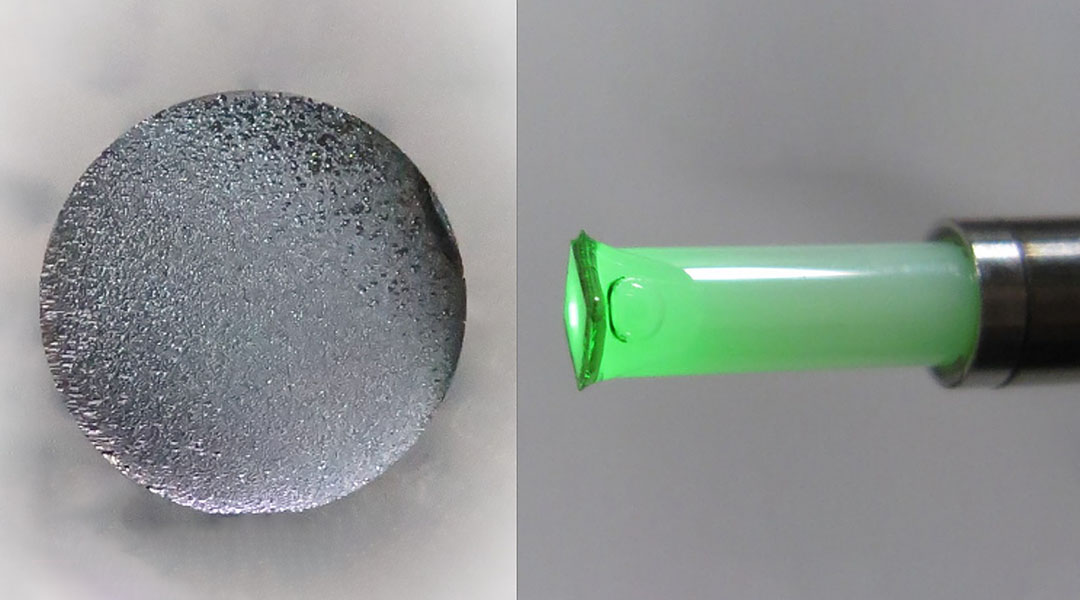
These low-cost quantum sensors detect tiny magnetic field changes and could help identify early battery issues in electric vehicles.
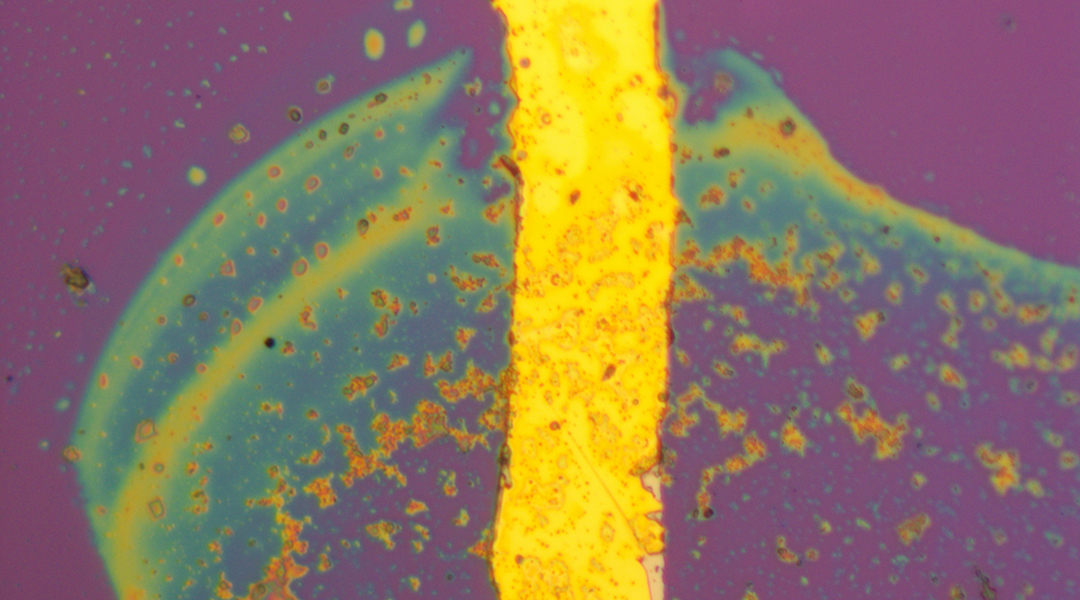
Scientists have optimized nanodiamond sensors, with potential breakthroughs in electronics, medicine, and quantum tech.

Inspired by sea asparagus, scientists design a conductive hydrogel that is stronger than natural rubbers and adapted for extreme environments.

An acid sensitive hydrogel makes it possible to detect dangerous leaks before they cause damage.

A uniquely sensitive, stretchable pressure sensor for prosthetics, soft robotics, and human-machine interfaces.

The stability and versatility of gold nanoparticles make them an ideal candidate for implantable sensors
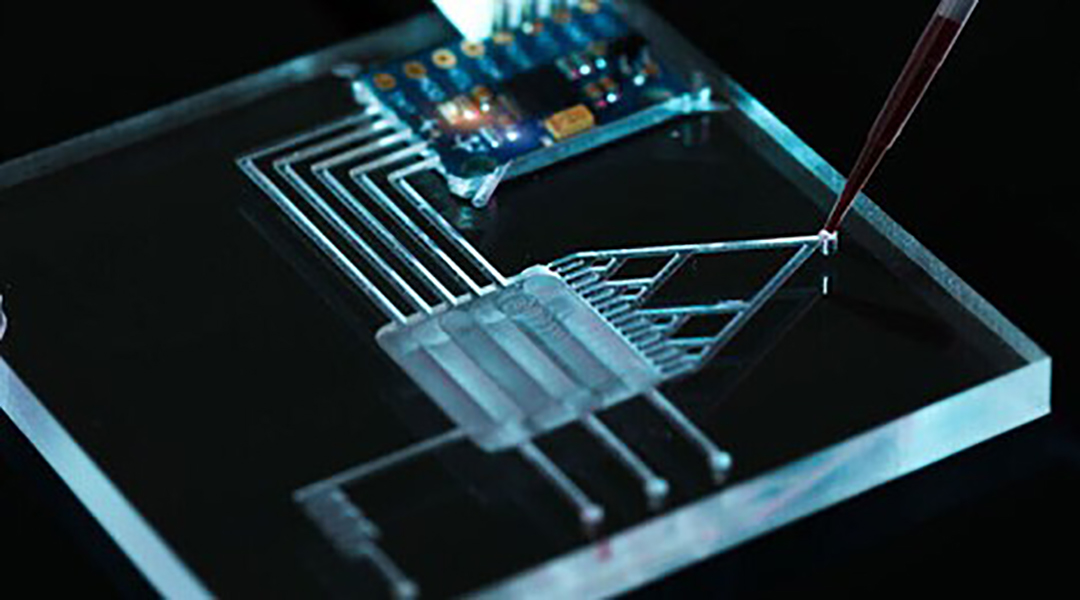
Recent advances in micro- and nanoscale sensing technologies may help diagnose sepsis early and with greater accuracy.

A team of researchers from the Universities of Surrey and Sussex develop mechanochromic and thermochromic sensors based on graphene infused polymer opals.
 New theory suggests gravity is not a fundamental force
 Higgs boson may be driving the Universe’s expansion
 Water-powered gadgets may be on the horizon thanks to new evaporation-based energy device
 Scientists discover a new class of antibiotics
 Micron-sized hidden dimensions could solve two of physics’ deepest puzzles
 A new type of dark matter could explain mysterious radiation from the Milky Way’s core