Additive Industries and SMS group jointly develop a production system for additive manufacturing of metals in industrial scale.
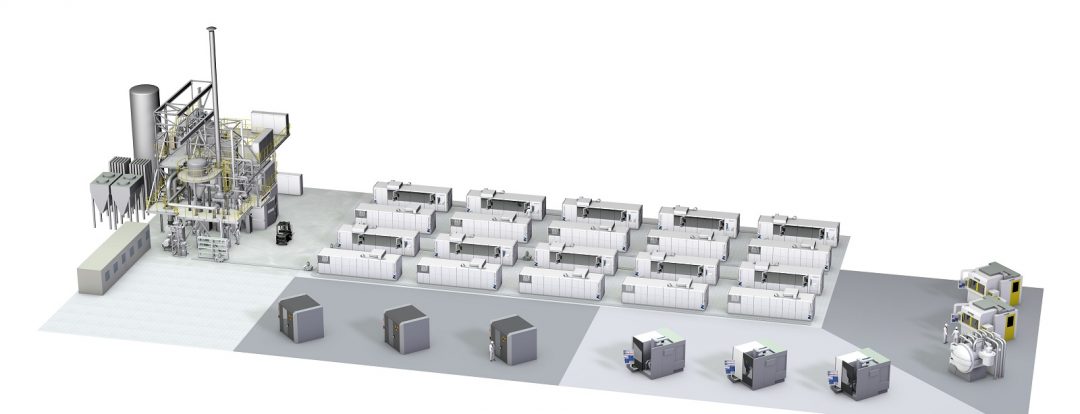

Additive Industries and SMS group jointly develop a production system for additive manufacturing of metals in industrial scale.
14 companies and organizations have combined forces in TACNET 4.0 – Tactile Internet, a project to create a standard system for real time industrial communications.
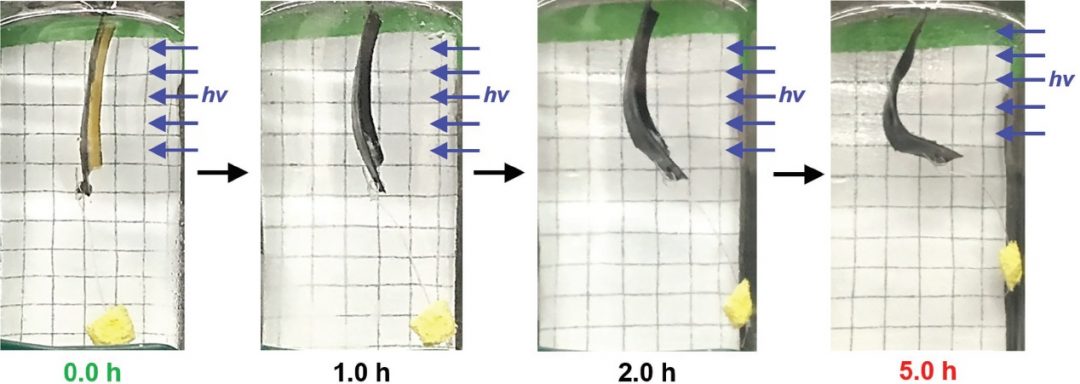
A photoinduced redox reaction is used to cause the contraction of an artificial hydrogel muscle, leading to macroscale actuation and measurable work.
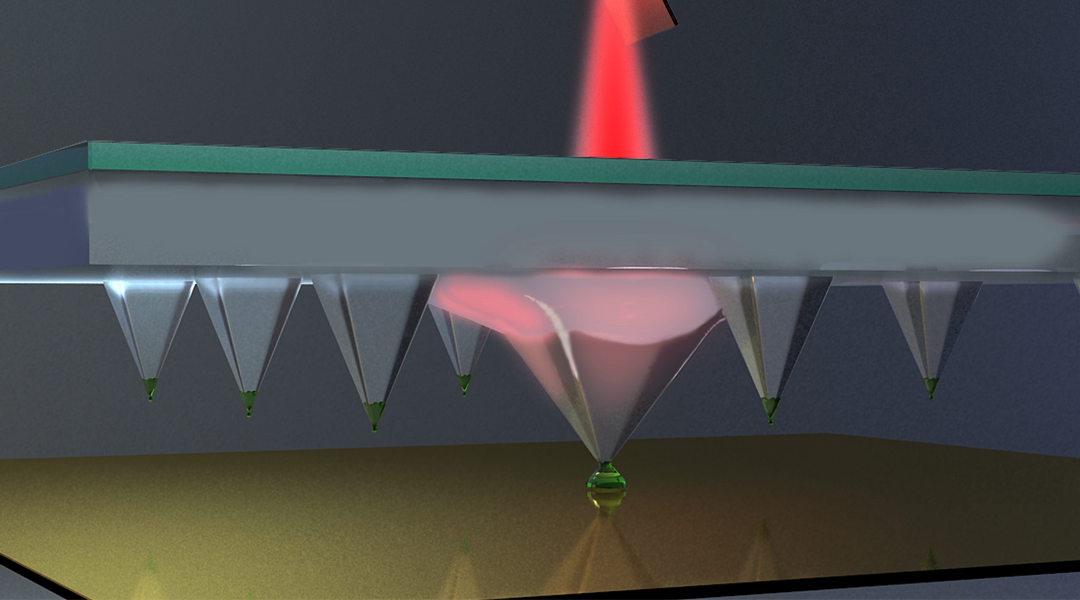
Local control of pens in a large-scale pen array can be achieved by using a nanotube composite that is photo-responsive to fabricate each individual pen.
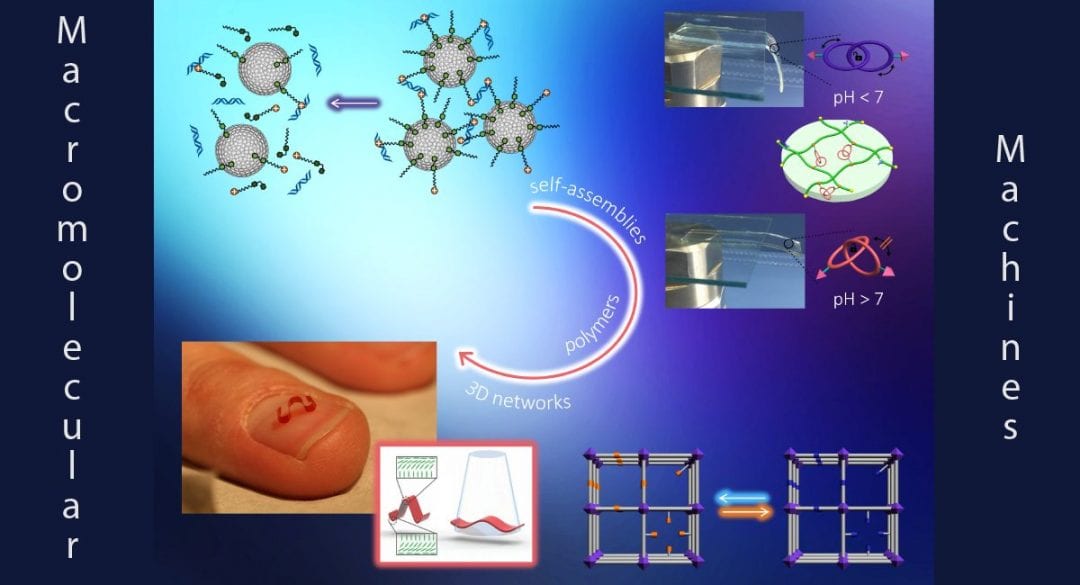
A special issue in Macromolecular Rapid Communications guest-edited by David Bléger and Rafal Klajn highlights the diverse ways by which molecular switches can be incorporated into macromolecular architectures.
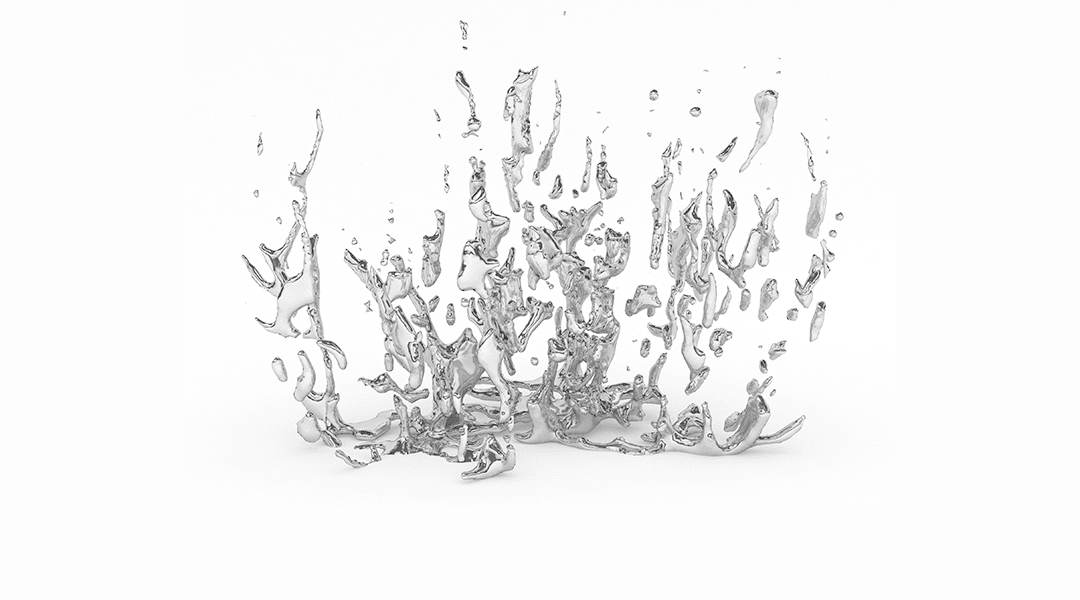
The recent academic progresses as made on the three major themes regarding preparations, characteristics and applications of liquid metal materials are reviewed.
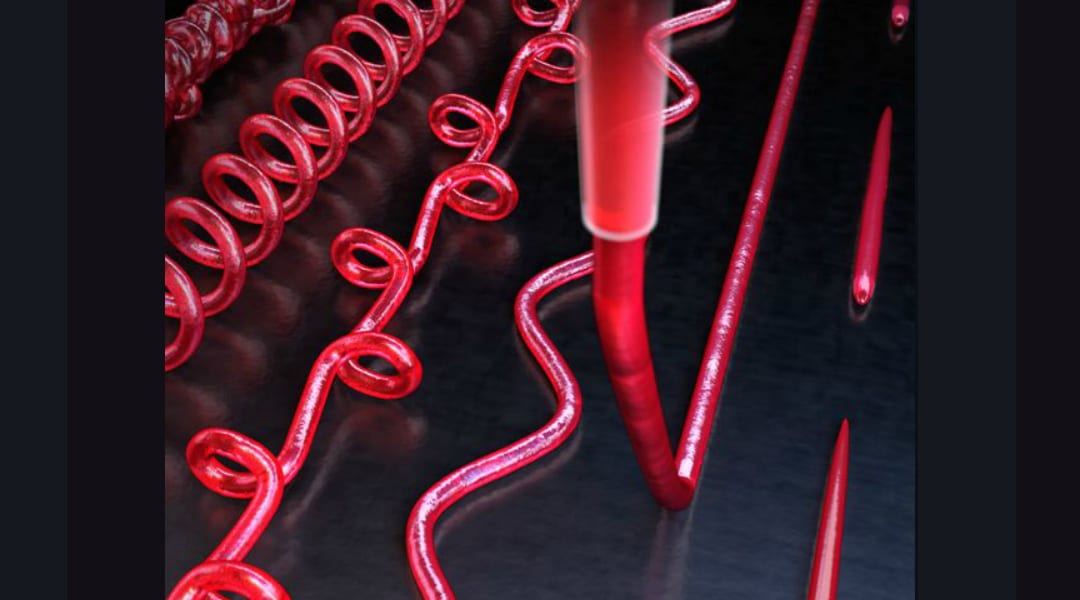
Researchers from MIT present a strategy to increase printing resolution beyond the nozzle size, while drawing diverse complex patterns with a linear nozzle path.
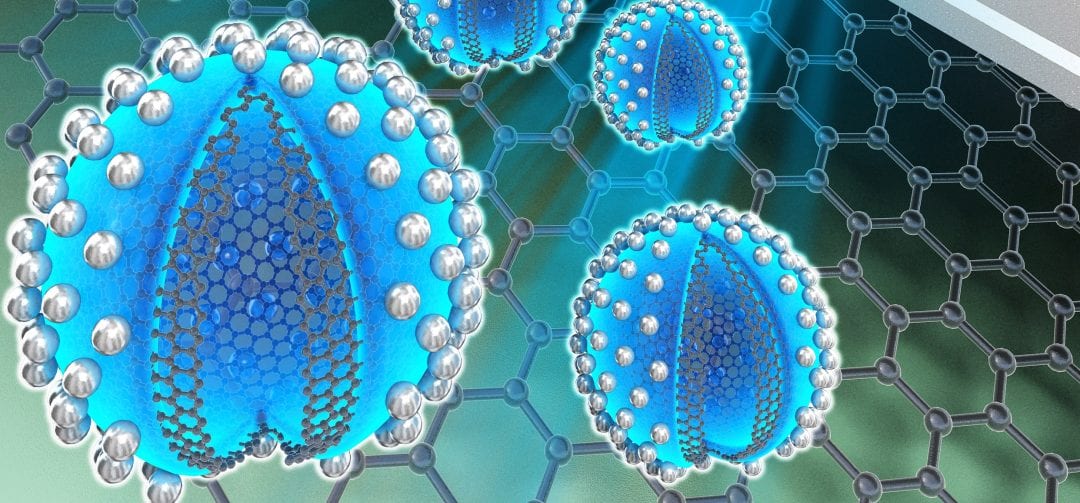
AMI presents the impressive covers of its current issue, highlighting electrochemistry, acoustic streaming, superhydrophobicity, and precision APT.
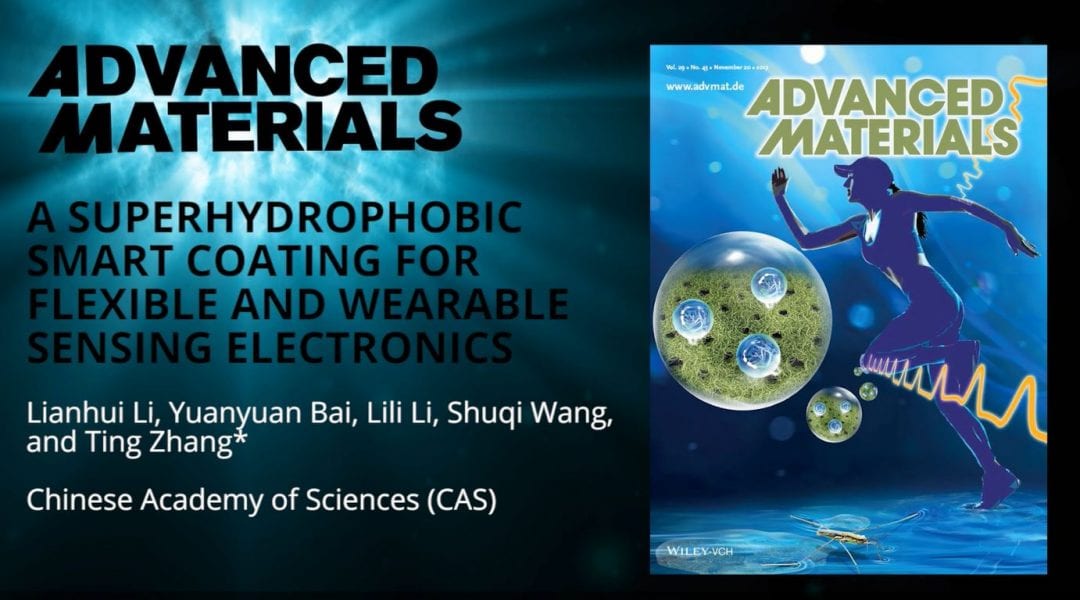
Ting Zhang and co-workers from the Suzhou Institute of Nano-Tech and Nano-Bionics at the Chinese Academy of Sciences develop a novel superhydrophobic and piezoresistive coating for wearable sensing devices. The coating is durable in harsh conditions and can be used to detect real-time human movement when fabricated as a wearable strain sensor.

A novel, electroluminescent device concept that can emit light in response to the accumulation and distribution of materials on the device surface is developed.

 Micron-sized hidden dimensions could solve two of physics’ deepest puzzles
 Turning Periods into Power: Menstrual Blood a Valuable Resource for Medical Diagnostics
 Surfactants Steer Supraparticle Structure
 Bone loss in obesity traced to gut microbiota
 Edible electronics realize safe, complex monitoring devices
 Fermilab Confirms Muon g-2 Measurements