Novel fluorescent technology targets urinary tract infections by enabling early, real-time detection of E. coli bacteria in catheter bags.
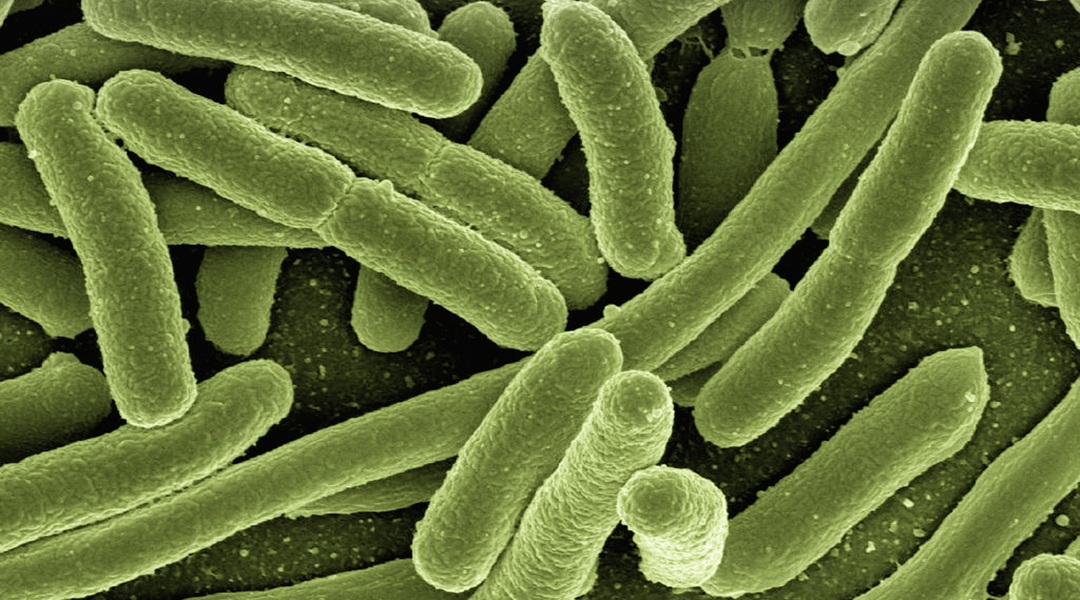

Novel fluorescent technology targets urinary tract infections by enabling early, real-time detection of E. coli bacteria in catheter bags.
Edible electronics from non-toxic materials enable complex ingestible devices for healthcare and food monitoring.

Engineers have developed tactile sensors with increased sensitivity, thanks to auxetic mechanical metamaterials.
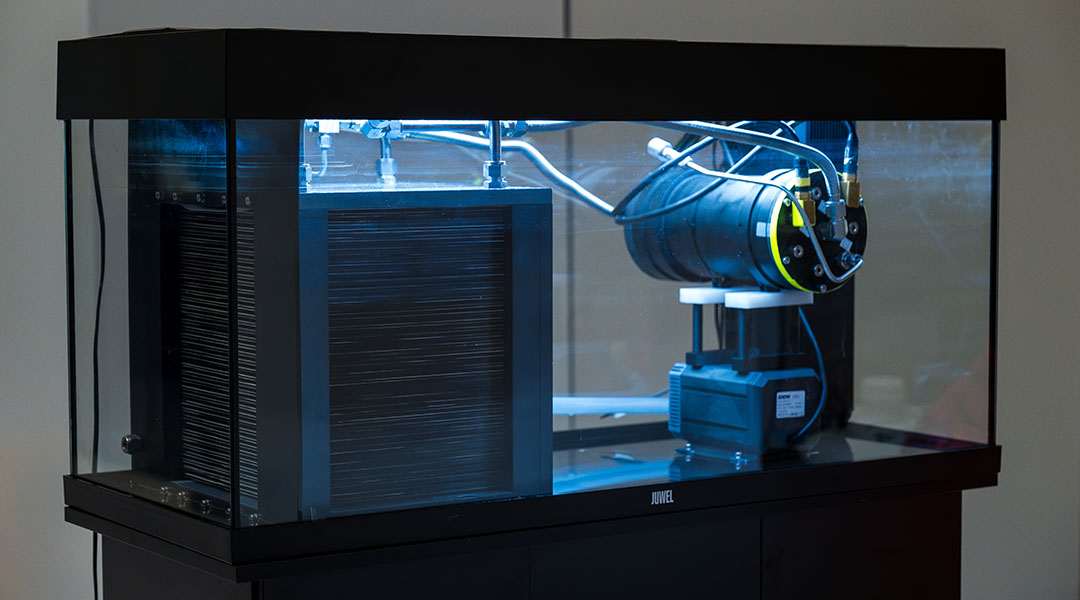
A fish-inspired fuel cell concept could provide a cost-effective alternative to batteries in underwater vehicles.
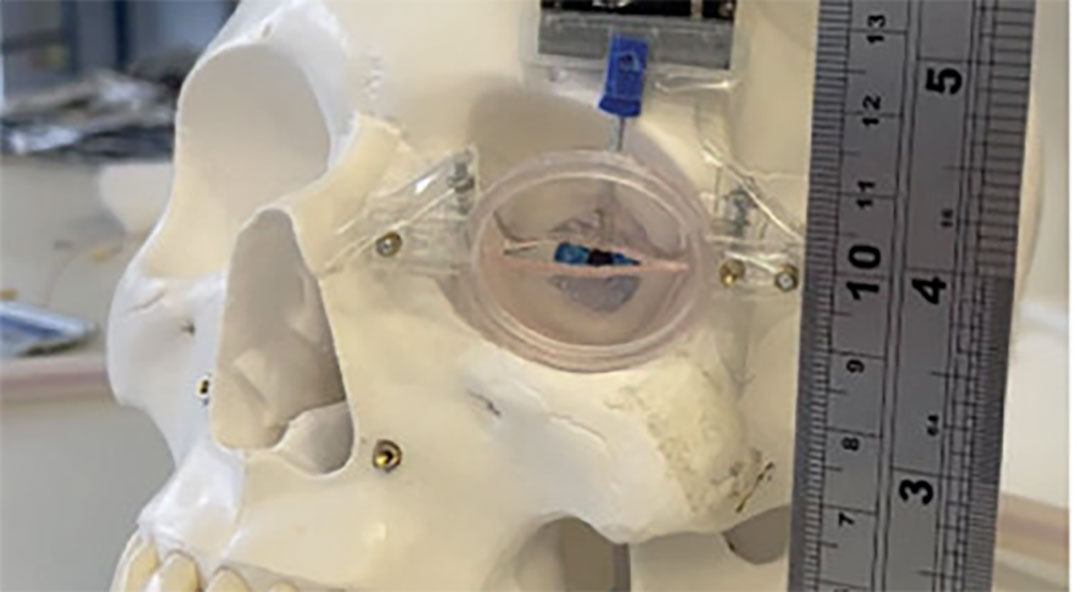
A soft implant could avoid multiple surgeries and long waiting times while improving the living conditions of facial paralysis sufferers.
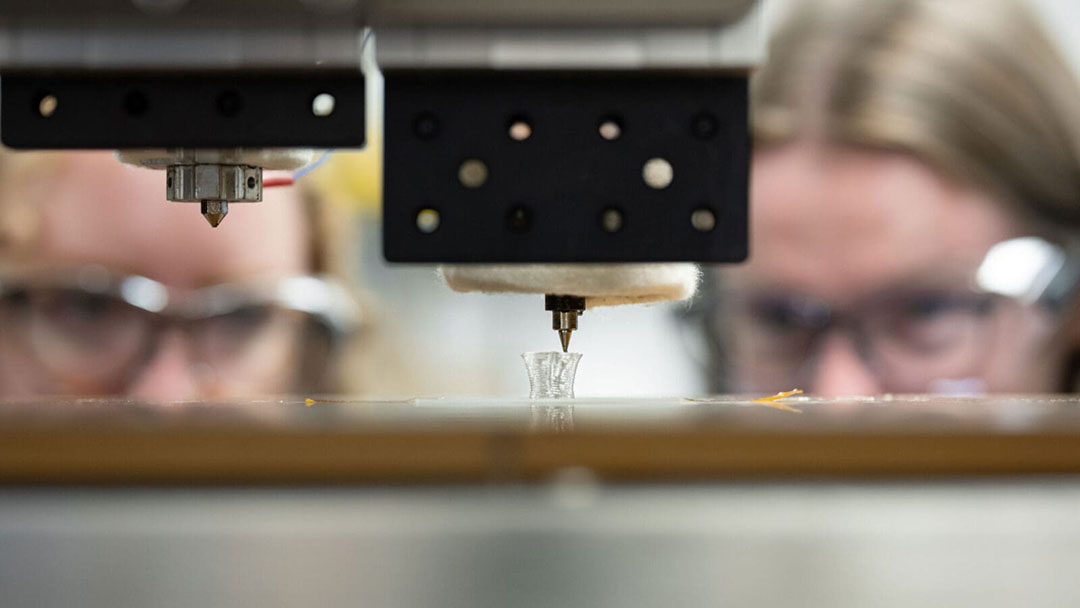
A 3D printing technique creates recyclable plastics with adjustable flexibility and strength for soft robots and medical devices.
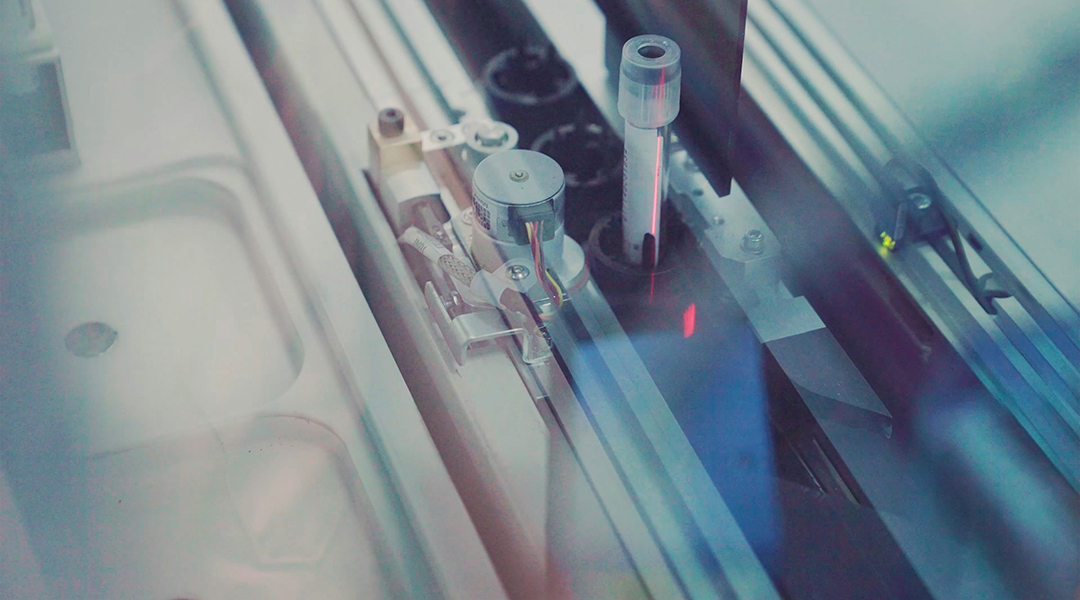
AI might be fast and efficient, but scientists still don’t know whether integrating it with cloud-based labs will be worth the rewards.

With great power comes great responsibility—even for real-life, superhero-inspired web-slinging tech!
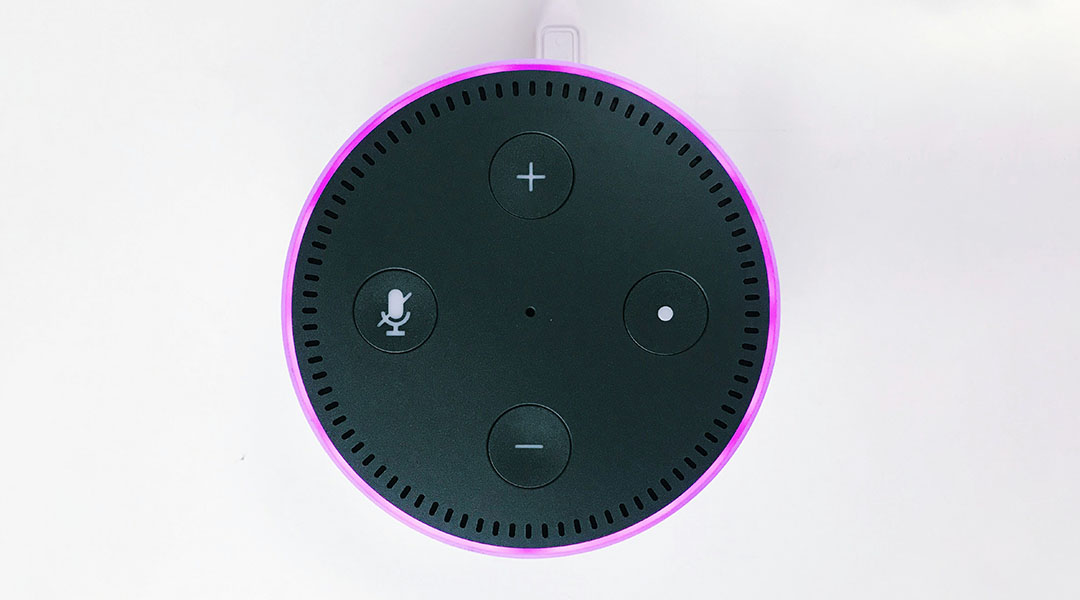
Scientists explored whether evidence backs up the growing belief that voice assistants like Alexa can alleviate loneliness, especially in the elderly.

Scientists uncover how the complex interactions between nucleosomes influence DNA’s organization in chromosomes.

 Micron-sized hidden dimensions could solve two of physics’ deepest puzzles
 Turning Periods into Power: Menstrual Blood a Valuable Resource for Medical Diagnostics
 Surfactants Steer Supraparticle Structure
 Bone loss in obesity traced to gut microbiota
 Edible electronics realize safe, complex monitoring devices
 Fermilab Confirms Muon g-2 Measurements