A radical superconducting qubit design promises to extend their runtime by addressing decoherence challenges in quantum computing.


A radical superconducting qubit design promises to extend their runtime by addressing decoherence challenges in quantum computing.

Upcoming space experiment sets sights on encrypted quantum communication, which could also provide valuable insights into quantum gravity.
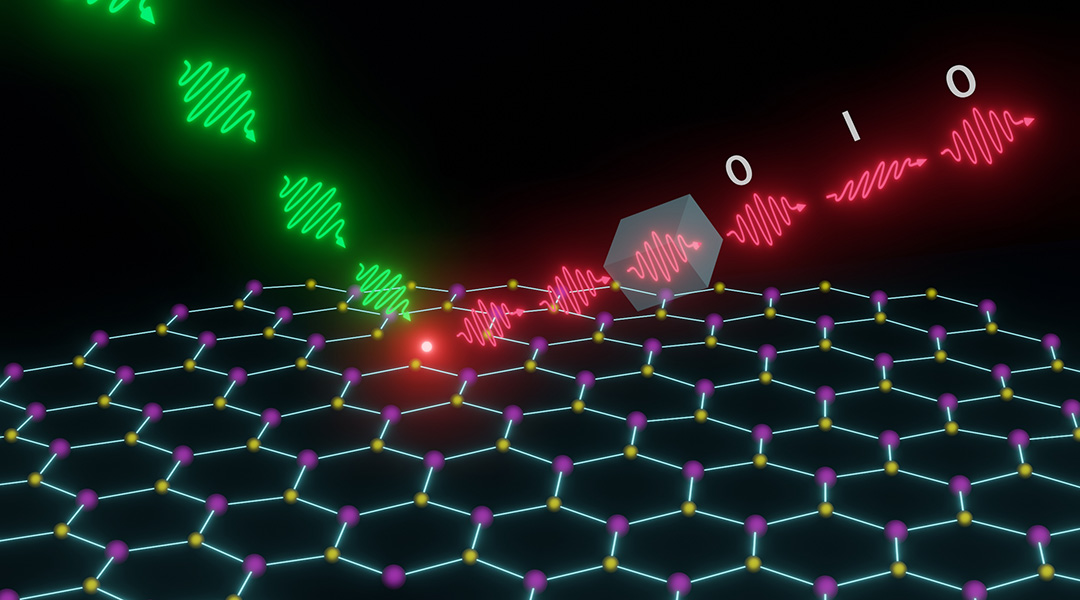
Exploiting defects in 2D hexagonal boron nitride to create reliable single photons, researchers have upped their quantum encryption game.

Researchers were able to detect a “needle” of highly fragile quantum information in a “haystack” of nuclei.

Researchers create a quantum nanochip that is capable of producing stable, high-quality qubits and could open doors for powerful quantum computers.
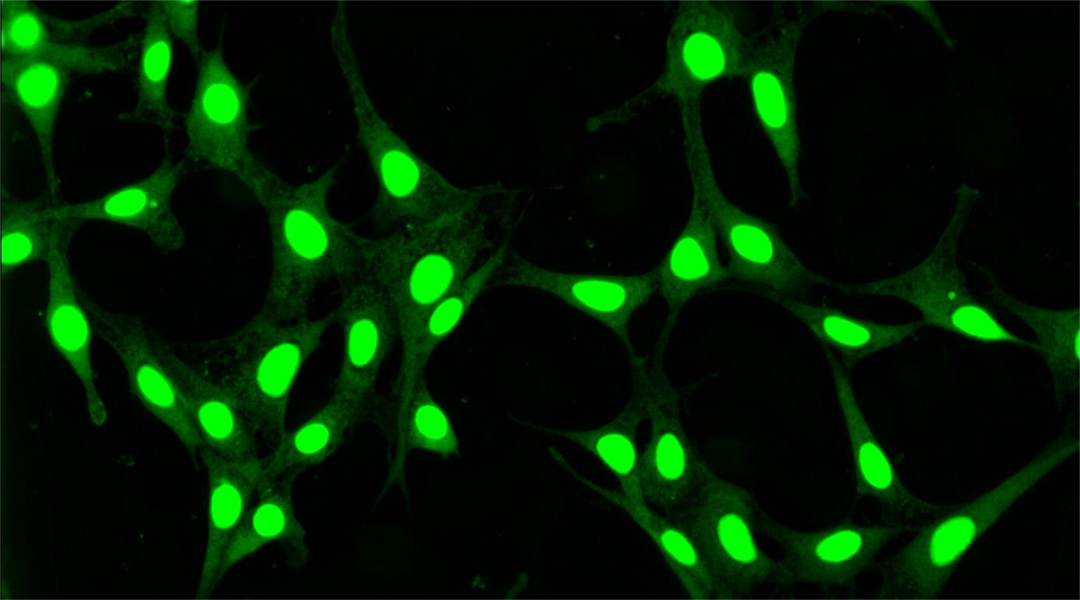
Fluorescent carbon dots could change the way in which we visualize cells.
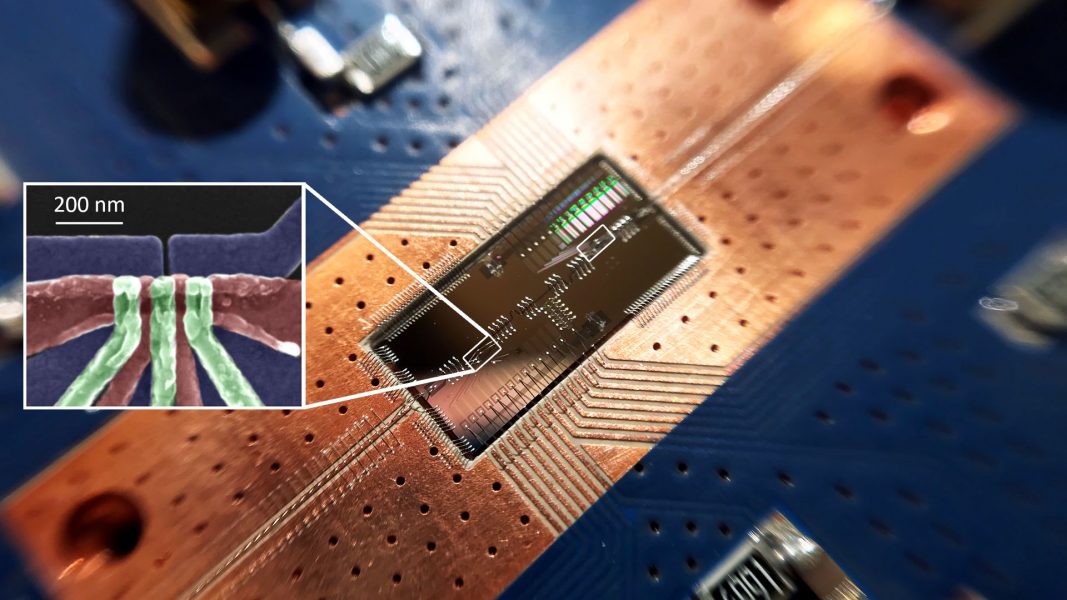
Princeton scientists demonstrate that two silicon quantum bits can communicate across relatively long distances in a turning point for the technology.

Researchers from all over the world will meet in Berlin from May 22 to 24, 2019 for a scientific exchange on recent topics in single photon based quantum technology.
![Quantum Nanomaterials for Ultraefficient Medicial Probes [Video]](https://www.advancedsciencenews.com/wp-content/uploads/2019/02/adma201806993_ASN_image.png)
Tuning the local environment of ultrasmall silica nanoparticles leads to ultrapotent probes for photodynamic therapy.

Many-body localized systems are central to the functioning of modern quantum computing devices. Yet, many-body localization is not completely understood.

 Micron-sized hidden dimensions could solve two of physics’ deepest puzzles
 Turning Periods into Power: Menstrual Blood a Valuable Resource for Medical Diagnostics
 Bone loss in obesity traced to gut microbiota
 Surfactants Steer Supraparticle Structure
 Edible electronics realize safe, complex monitoring devices
 Fermilab Confirms Muon g-2 Measurements