Berkeley Lab Researchers develop new metrics for X-ray and neutron analysis of flexible macromolecules.
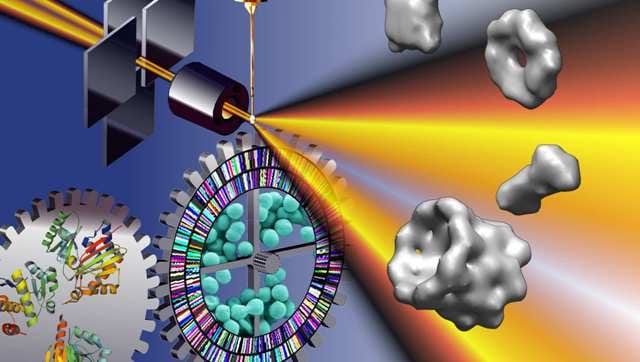

Berkeley Lab Researchers develop new metrics for X-ray and neutron analysis of flexible macromolecules.
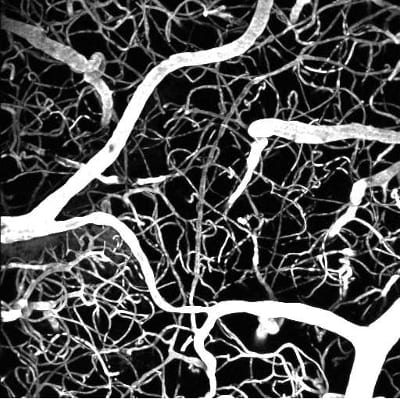
New kind of dye could reduce the cost of two-photon microscopy by several orders of magnitude.
Argonne scientists see nanoparticles form larger structures in real time.
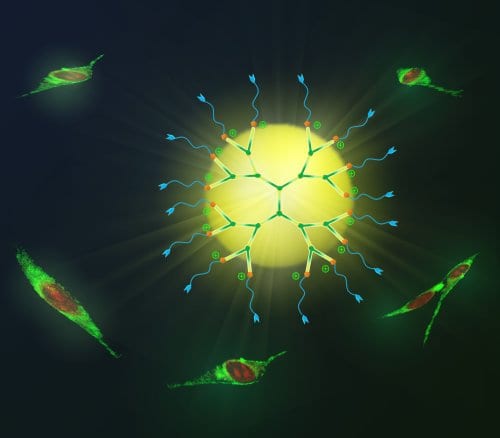
A special issue in Macromolecular Rapid Communications highlights recent advances related to the synthesis, characterization, and applications of polymeric materials for fluorescence sensor applications.
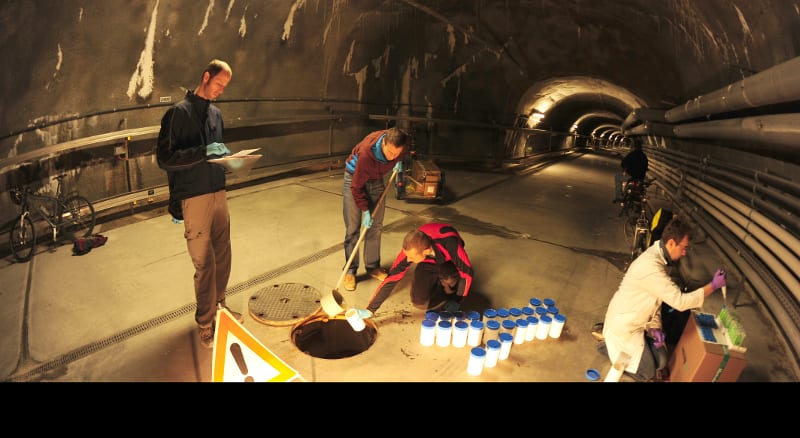
Swiss researchers show that nanosilver is quickly transformed into less problematic substances on its way to the wastewater treatment plant.
Both patents are related to their copper inks, which have the potential to replace existing silver inks that are commonplace in the marketplace.
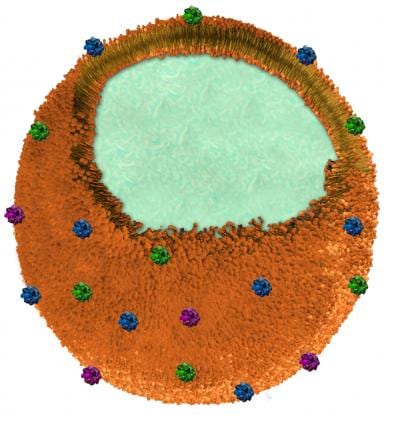
Absorbent nanostructures can neutralize pore-forming toxins and remove a broad class of dangerous toxins.
Researchers at Rensselaer Polytechnic Institute develop new method to kill pathogenic bacteria without antiobiotics or chemicals.
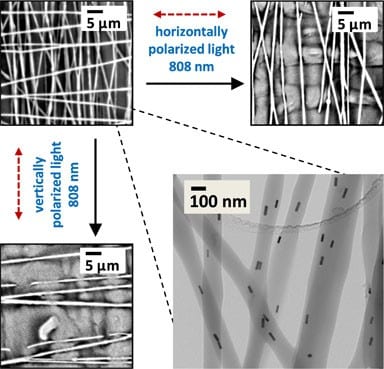
Researchers from North Carolina State University have developed a way to melt or “weld” specific portions of polymers by embedding aligned nanoparticles within the materials.
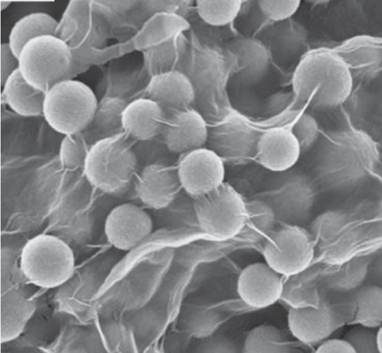
A new route to fabricate graphene-wrapped nanoparticles of controlled morphology has been reported.
 New theory suggests gravity is not a fundamental force
 Higgs boson may be driving the Universe’s expansion
 Water-powered gadgets may be on the horizon thanks to new evaporation-based energy device
 Scientists discover a new class of antibiotics
 Micron-sized hidden dimensions could solve two of physics’ deepest puzzles
 A new type of dark matter could explain mysterious radiation from the Milky Way’s core