Researchers have created a new type of molecular motor made of DNA and used it it to transport a nanoparticle along the length of a carbon nanotube.
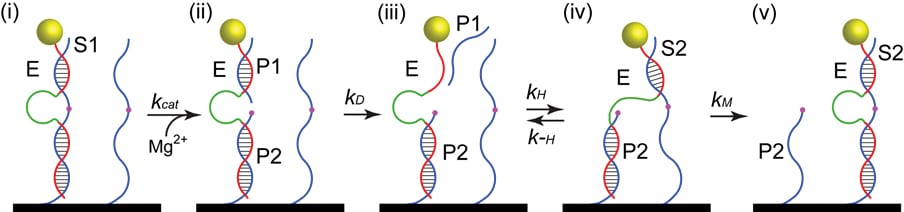

Researchers have created a new type of molecular motor made of DNA and used it it to transport a nanoparticle along the length of a carbon nanotube.
Subwavelength metal nanoparticles with separation on the order of one wavelength can form a plasmonic mode that enhances absorption and scattering of light.
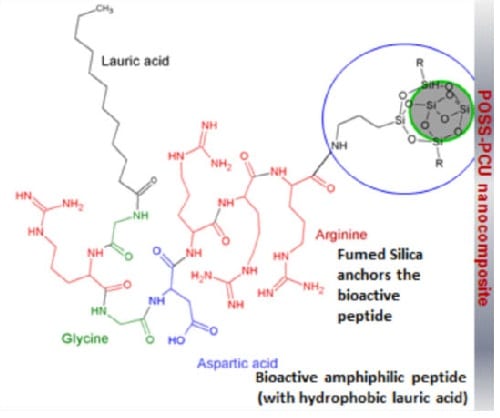
Fumed silica nanoparticles are functionalised to have ‘tethering’ proteins and link bioactive groups to induce biomimicry.
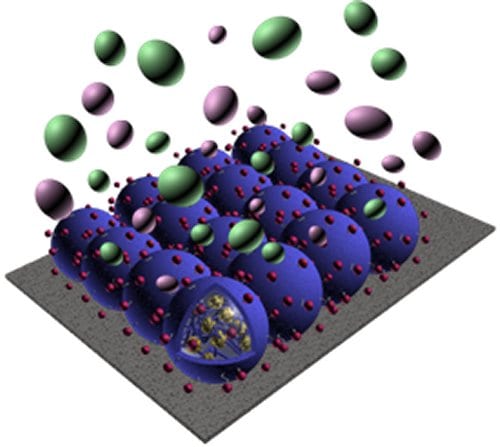
A novel approach is presented for making polymer nanoparticles that can release dual osteogenic growth factors while adhering to Ti surfaces.

Scientists at the INM are exploring new routes to flexible and transparent coatings that conduct electricity particularly well.
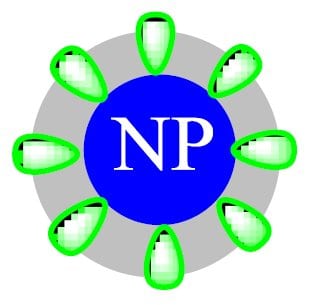
Experts from Michigan Technological University review the recent developments in molecularly imprinted nanoparticles by surface imprinting techniques.
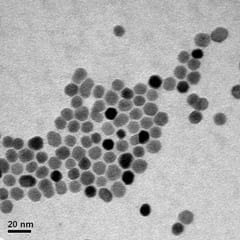
Physicists from the University of York have carried out new research into how the heating effect of an experimental cancer treatment works.
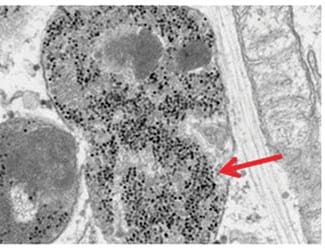
Treating cells with iron oxide nanoparticles allows them to be steered through the body by magnets.
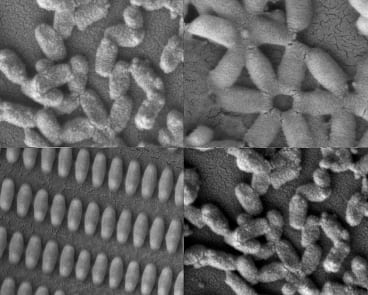
New research enables high-speed customization of novel nanoparticles for drug delivery and other uses.
A colorimetric assay system based on urine and nanoparticles for mercury detection has been developed by researchers from Nanyang Technological University.
 New theory suggests gravity is not a fundamental force
 Higgs boson may be driving the Universe’s expansion
 Water-powered gadgets may be on the horizon thanks to new evaporation-based energy device
 Scientists discover a new class of antibiotics
 Micron-sized hidden dimensions could solve two of physics’ deepest puzzles
 A new type of dark matter could explain mysterious radiation from the Milky Way’s core