Issue 1 of Advanced Optical Materials features twelve papers from leading research groups, covering all aspects of light–matter interactions.
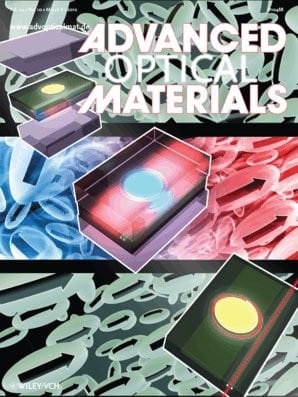

Issue 1 of Advanced Optical Materials features twelve papers from leading research groups, covering all aspects of light–matter interactions.
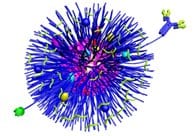
Researchers at the Wooley Laboratory have used polymers to mimic the characteristics and actions of biological nanoparticles and structures.
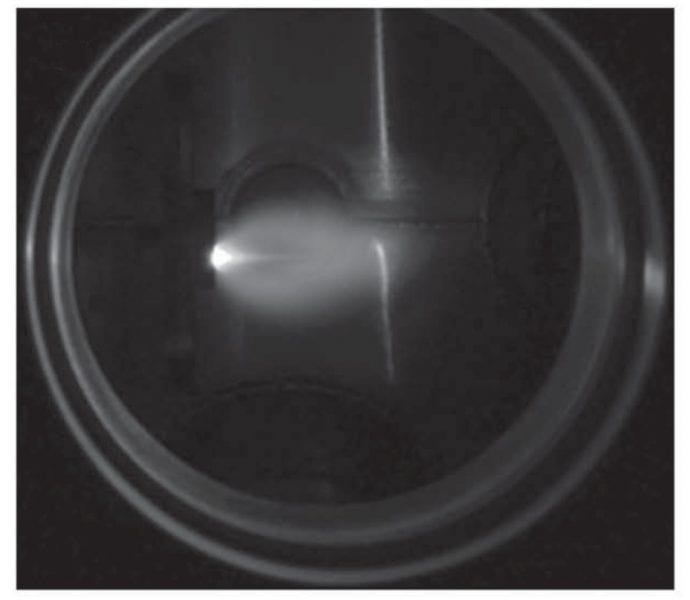
Professor Weiping Cai and co-workers have investigated the laser ablation/irradiation in liquid technique for producing nanomaterials.
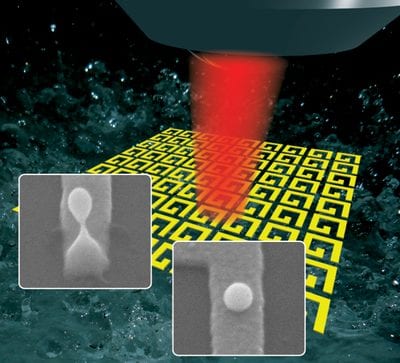
Using plasmonic hotspots, gold nanostructures can be melted and made to produce the smallest nanojets ever observed.
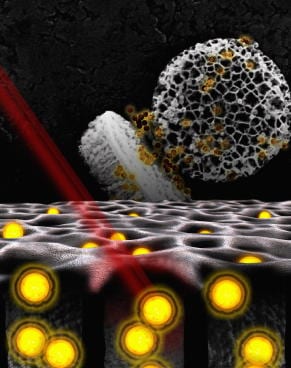
By shining infrared light on specially designed, gold-filled silicon wafers, scientists at The Methodist Hospital Research Institute have successfully targeted and burned breast cancer cells. If the technology is shown to work in human clinical trials, it could...
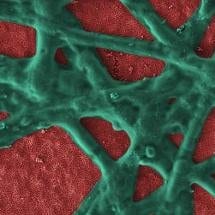
Photosynthesis is considered the "Holy Grail" in the field of sustainable energy generation because it directly converts solar energy into storable fuel using nothing but water and carbon dioxide (CO2). Scientists have long tried to mimic the underlying natural...
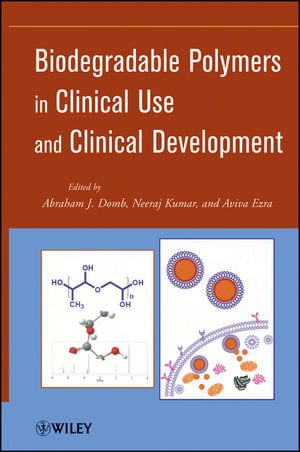
Anna Musyanovych of the Max Plank Institute for Polymer Research reviews Biodegradable Polymers in Clinical Use and Clinical Development.
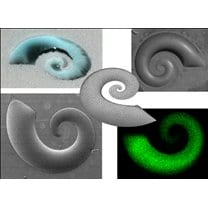
Droplets can be designed in a specific shape and pattern, which could be used to control cell growth and movement as well as to make new nanocomponents.
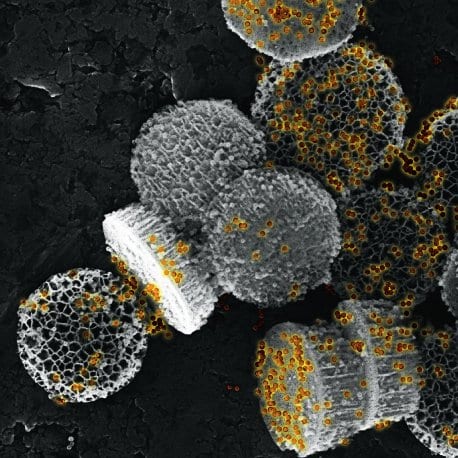
A nanostructure of silicon and gold is 4 times as effective at killing cancer cells in cell culture experiments as gold nanoshells alone.
How do you stick a label on something as small as a cell? Cell-labeling techniques are explained, and the use of polymer-coated nanoparticles as environment-sensitive cell labels is demonstrated by scientists in Germany and Australia.

 Micron-sized hidden dimensions could solve two of physics’ deepest puzzles
 Turning Periods into Power: Menstrual Blood a Valuable Resource for Medical Diagnostics
 Surfactants Steer Supraparticle Structure
 Bone loss in obesity traced to gut microbiota
 Edible electronics realize safe, complex monitoring devices
 Fermilab Confirms Muon g-2 Measurements