CT imaging enables real-time, non-invasive tracking of therapeutic cells labeled with gold nanoparticles. (Image credit: Africa Studio/Shutterstock)


CT imaging enables real-time, non-invasive tracking of therapeutic cells labeled with gold nanoparticles. (Image credit: Africa Studio/Shutterstock)
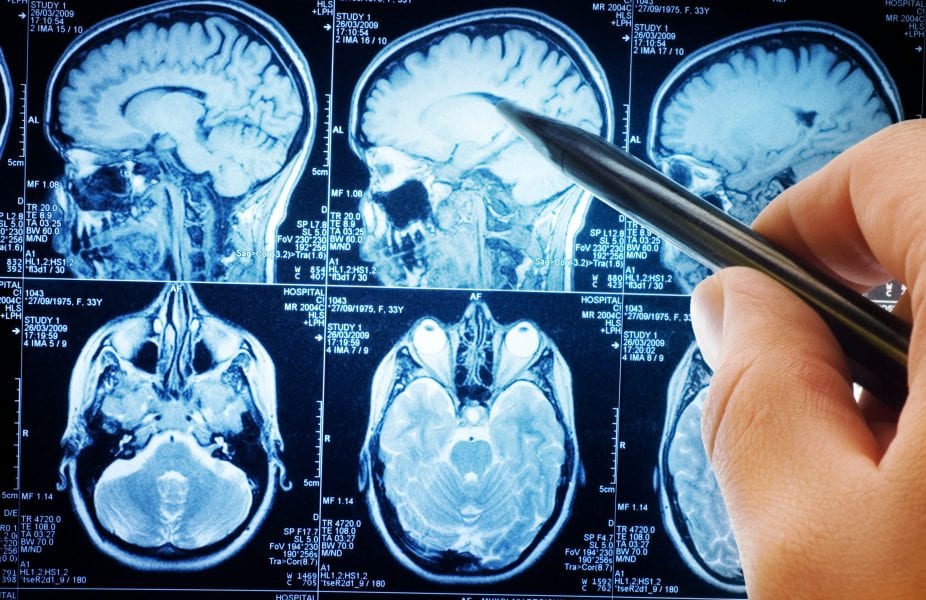
Malignant brain tumors are heterogeneous and invasive, with high morbidity and mortality rates. The main challenge associated in treating such tumors is the presence of the blood-brain barrier (BBB), which actively filters out molecules entering from the blood stream. (Image credit: Triff/Shutterstock)

Inspired by Steller’s jay, researchers produce angle-independent, structurally colored materials composed of amorphous arrays of fine spherical silica colloidal particles.
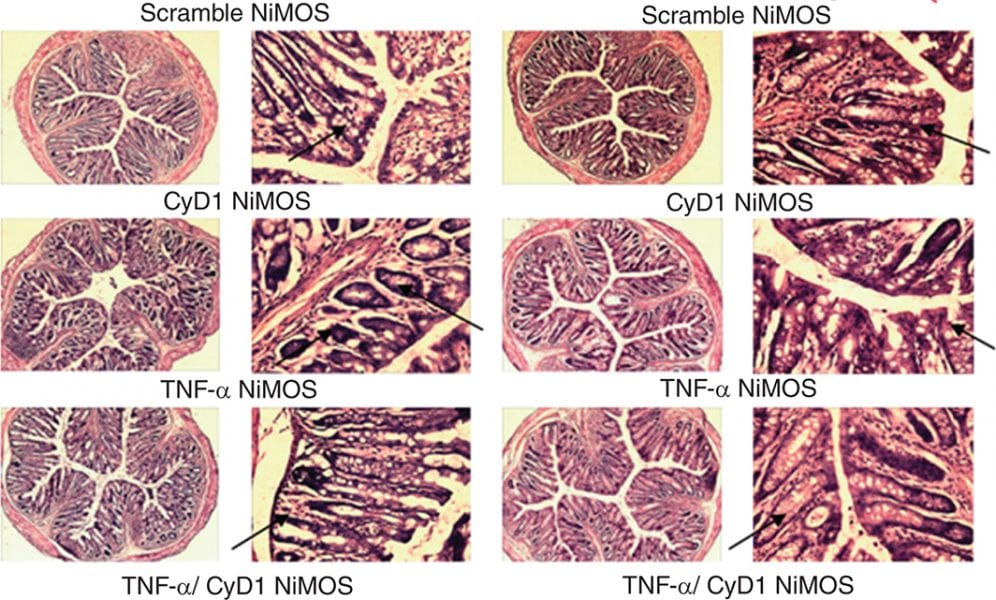
DNA and RNA (nucleic acids) interference therapies have the potential to treat many human diseases.
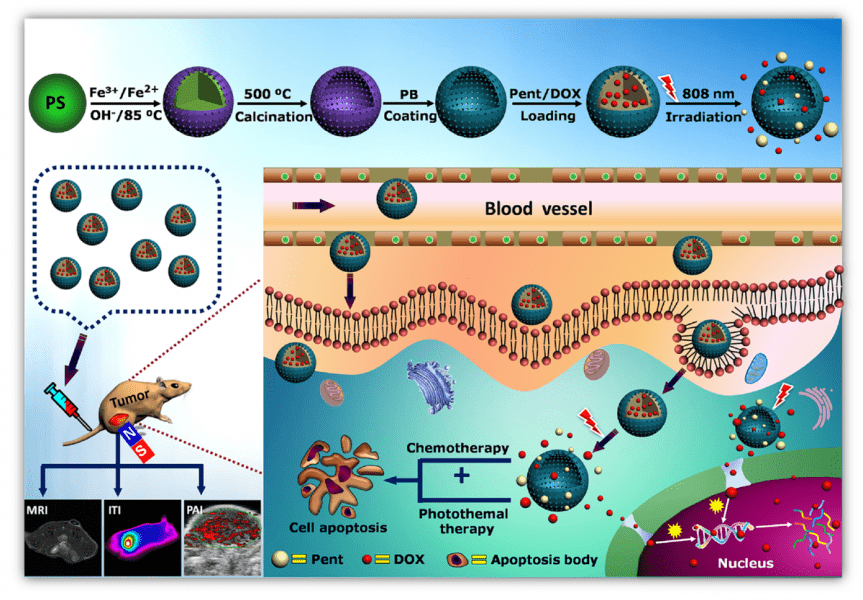
Controlled delivery of anti-tumor drug with a new design incorporating a phase-change material in magnetic nanoparticles allowing chemo-photothermal combined tumor therapy with multimodal tumor imaging.

Grubbs and co-workers review developments in brush block copolymer (BBCP) self-assembly toward photonic crystal applications. In this rapidly developing field, questions regarding the conformation of BBCPs and the formation of new morphologies provide further research opportunities.
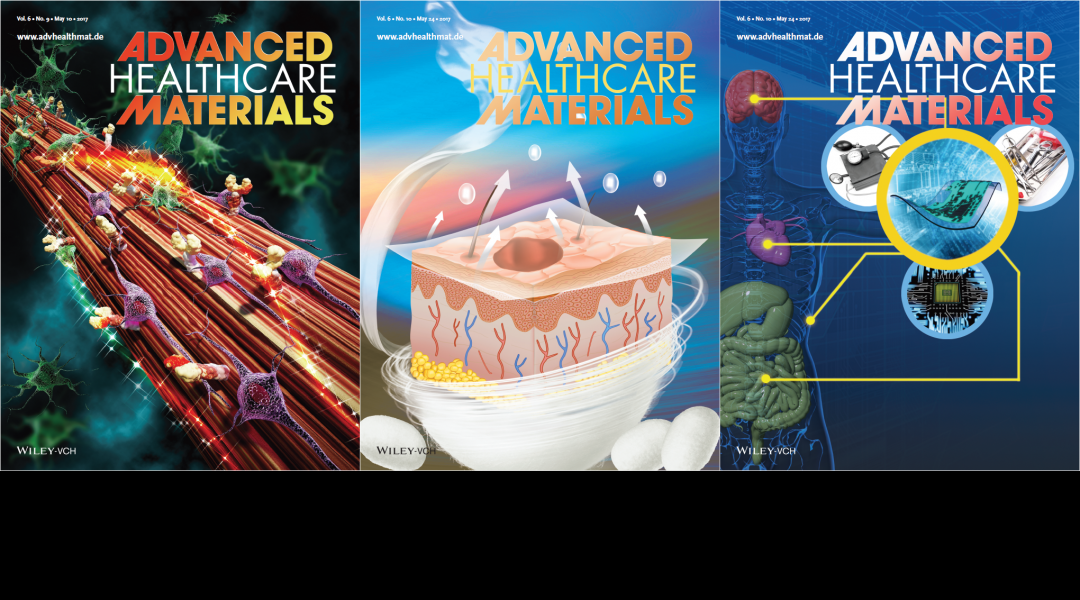
May’s Advanced Healthcare Materials covers.
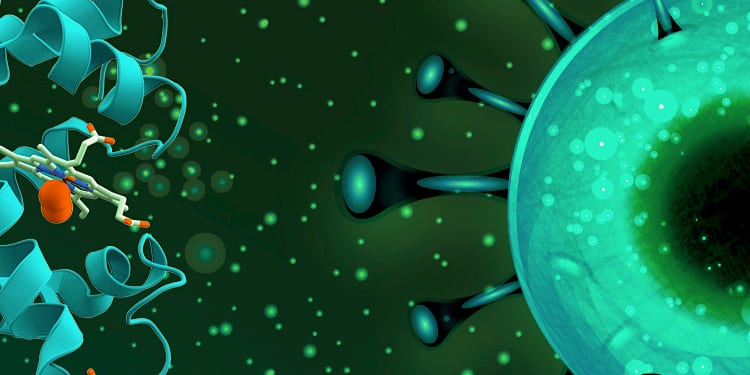
An overview of the viability of different molecular simulation methods and interface force fields, the recent advances in the simulation of protein-surface interactions, and the challenges posed by the current simulation methods to reproduce the exact phenomenon.
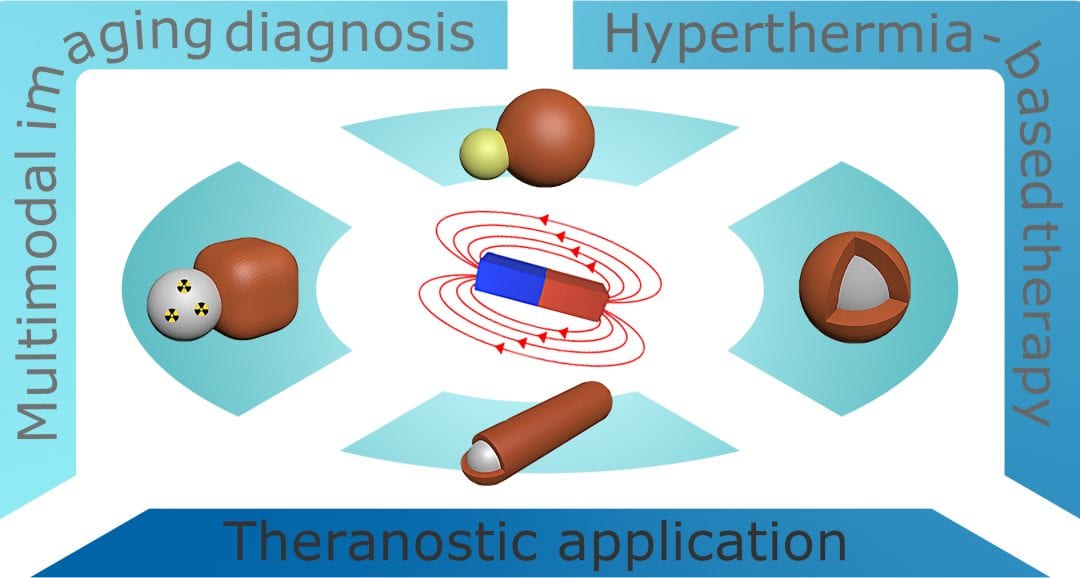
Magnetic hybrid nanomaterials combining magnetic nanomaterials and extra functional nanocomponents not only exhibit magnetic properties but also act as important biomedical agents.
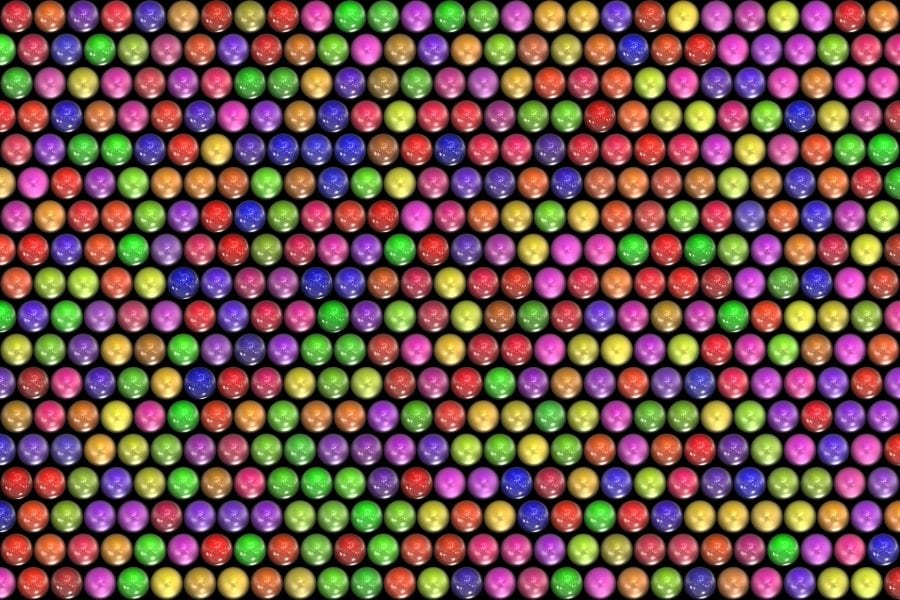
Investigating EV production and purification methods by mimicking the natural release process of EVs in blood capillaries with a bioinspired mechanical microfluidic method.

 Micron-sized hidden dimensions could solve two of physics’ deepest puzzles
 Turning Periods into Power: Menstrual Blood a Valuable Resource for Medical Diagnostics
 Surfactants Steer Supraparticle Structure
 Bone loss in obesity traced to gut microbiota
 Edible electronics realize safe, complex monitoring devices
 Fermilab Confirms Muon g-2 Measurements