Swiss researchers show that nanosilver is quickly transformed into less problematic substances on its way to the wastewater treatment plant.
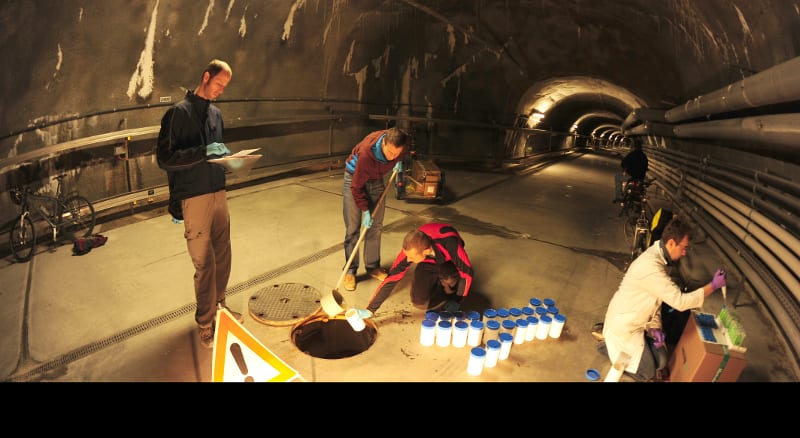

Swiss researchers show that nanosilver is quickly transformed into less problematic substances on its way to the wastewater treatment plant.
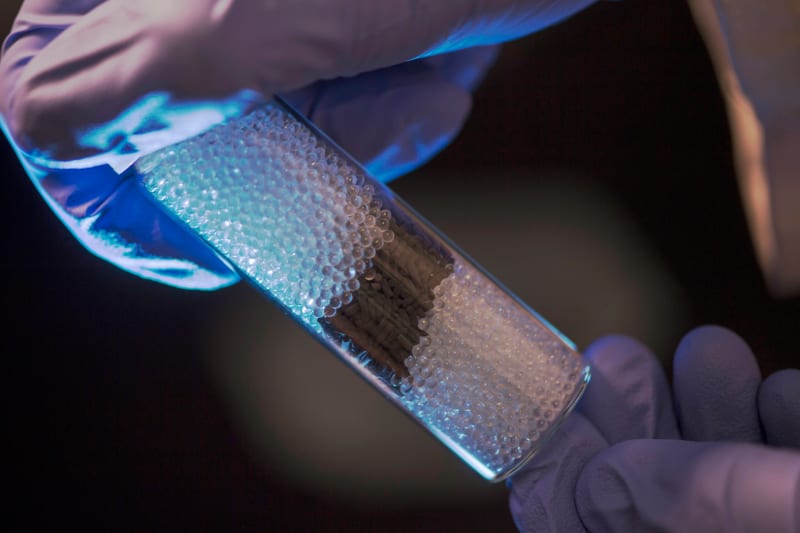
US government-funded research pays off with new process for environmental remediation.
A team of researchers has made a major breakthrough in measuring the structure of nanomaterials under extremely high pressures.
Efficient solar cells can be fabricated using natural substrates derived from plants such as trees.
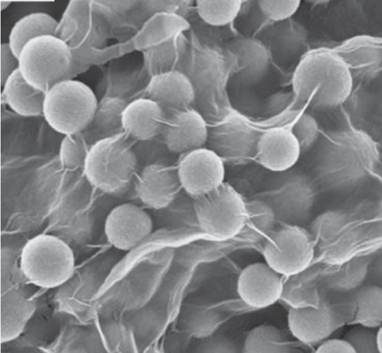
A new route to fabricate graphene-wrapped nanoparticles of controlled morphology has been reported.

Houman Savoji and Michael R. Wertheimer of the École Polytechnique de Montréal review new publication in biomimetics.
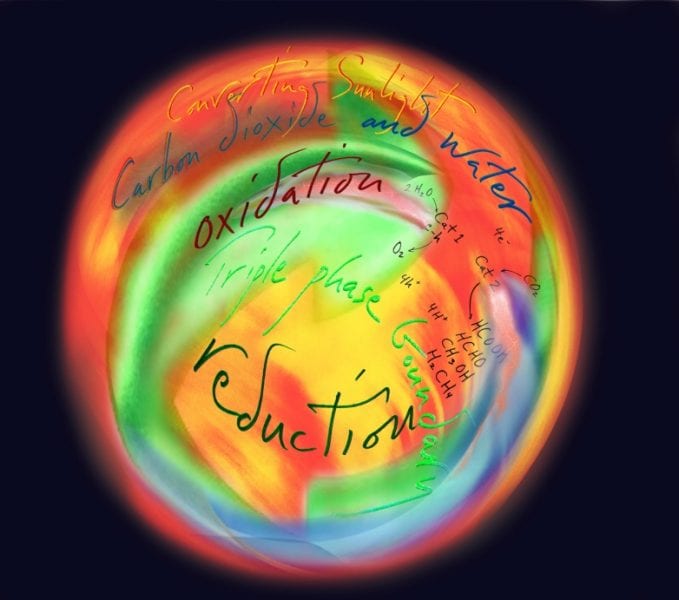
Professor Geoff Ozin on his “super leaf” challenge – producing fuel by matching nature.
A new technique developed by U of T Engineering Professor Ted Sargent and his research group could lead to significantly more efficient solar cells.
Carbon nanowires have been obtained by tempering diamantane dicarboxylic acid inside carbon nanotubes.
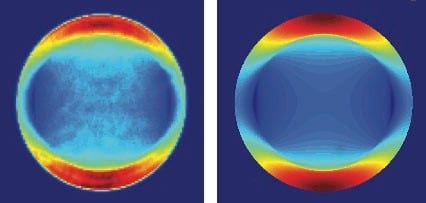
Understanding the source and orientation of light in light-emitting thin films could lead to better devices that use layered nanomaterials.
 New theory suggests gravity is not a fundamental force
 Higgs boson may be driving the Universe’s expansion
 Water-powered gadgets may be on the horizon thanks to new evaporation-based energy device
 Scientists discover a new class of antibiotics
 Micron-sized hidden dimensions could solve two of physics’ deepest puzzles
 A new type of dark matter could explain mysterious radiation from the Milky Way’s core