An intelligent material that learns by physically changing itself, similar to how the human brain works, could be the foundation of a completely new generation of computers.

An intelligent material that learns by physically changing itself, similar to how the human brain works, could be the foundation of a completely new generation of computers.

A gelatin-based hydrogel allows researchers to create a flexible, remote controlled robot capable of squeezing through tight spaces.
A sensitive blood test for the early diagnosis of Alzheimer’s disease could be possible with nanoparticle arrays.
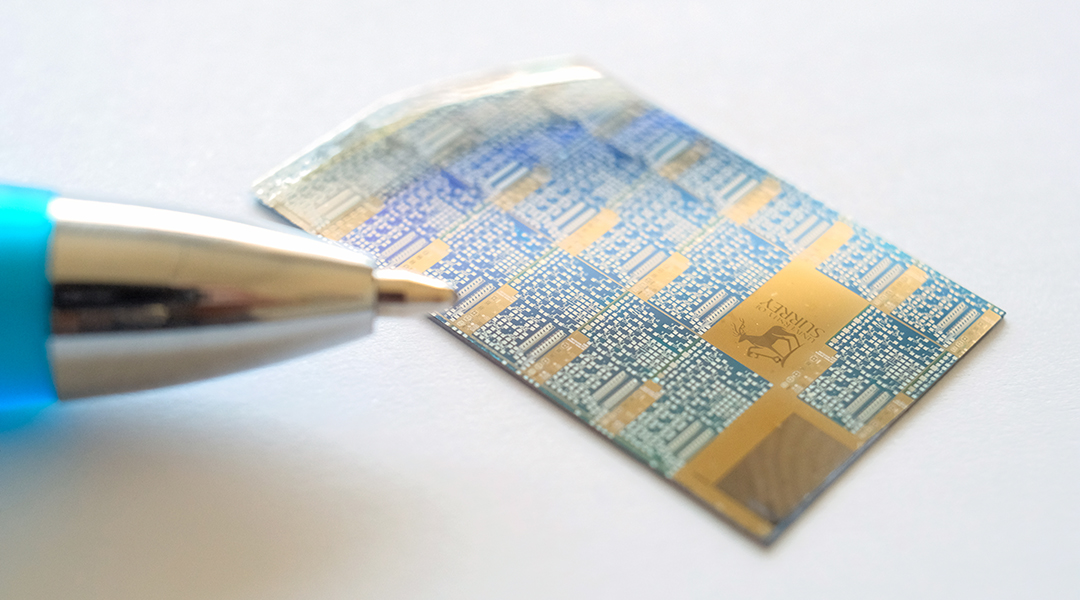
Multimodal thin-film transistors, or MMTs, could be pivotal in designing the next-generation of wearables and eco-disposable sensors.
The waste chips of paint you strip off the walls might not be so useless afterall.

A new computing paradigm could help us to overcome a key performance bottleneck to improve our ability to query large data bases.
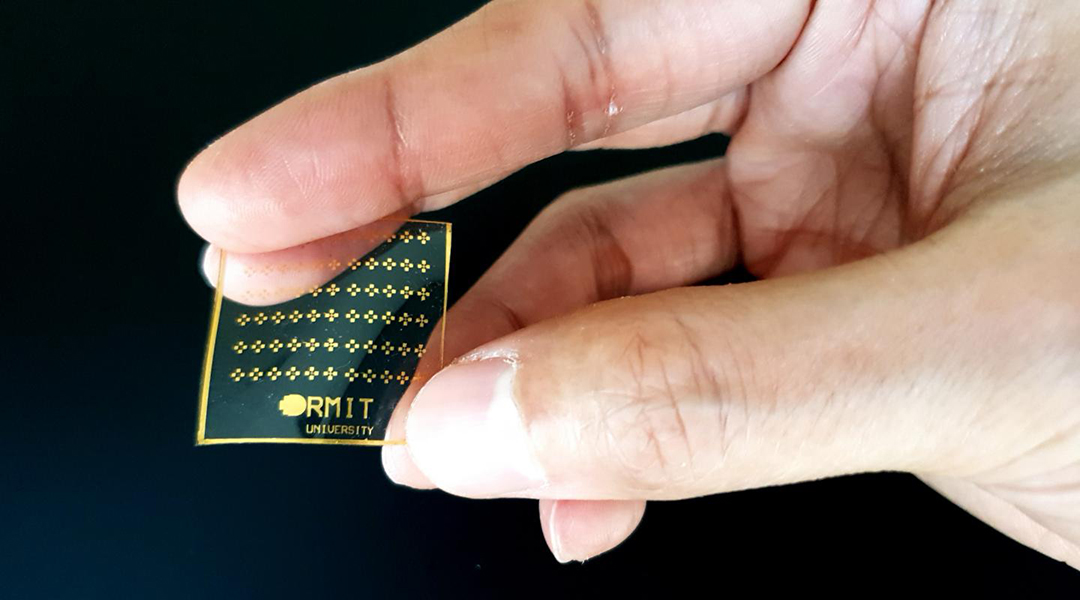
Prototype device electronically replicates the way human skin senses pain.

The material physicist on having fun and enjoying research, accepting challenges as opportunities, and supporting young talent in the field.
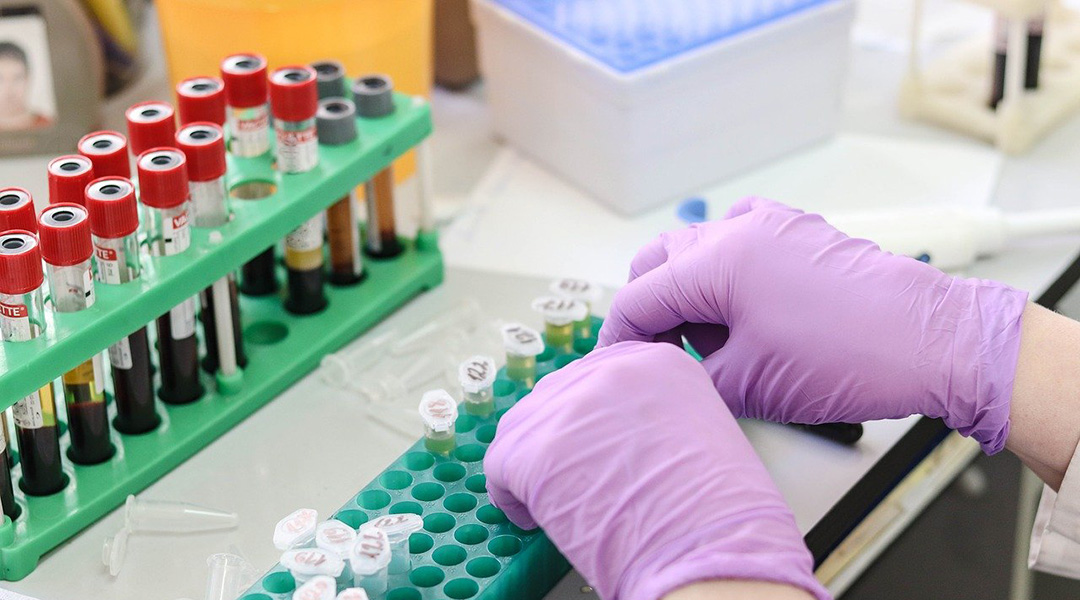
Researchers at Lund University hail potential game changer in early diagnosis.

We take a look at John B. Goodenough’s life and career, which were shaped by some of the defining events of the last century.
 New theory suggests gravity is not a fundamental force
 Higgs boson may be driving the Universe’s expansion
 Water-powered gadgets may be on the horizon thanks to new evaporation-based energy device
 Scientists discover a new class of antibiotics
 Micron-sized hidden dimensions could solve two of physics’ deepest puzzles
 A new type of dark matter could explain mysterious radiation from the Milky Way’s core