Scavenging harmful reactive oxygen species, this new biomaterial reduces inflammation and promotes nerve regeneration in spinal cord injury.
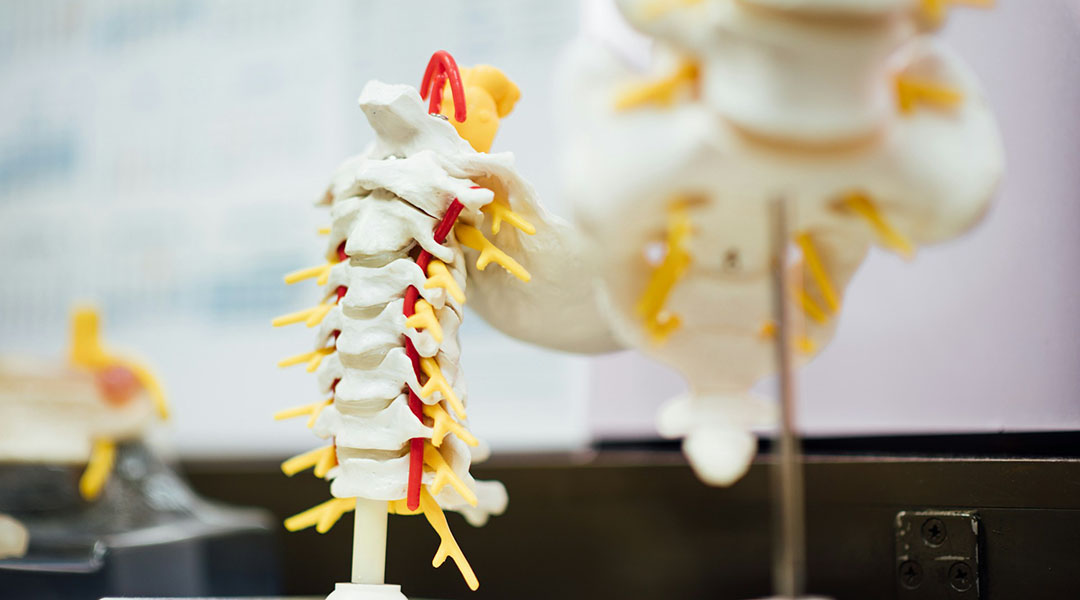

Scavenging harmful reactive oxygen species, this new biomaterial reduces inflammation and promotes nerve regeneration in spinal cord injury.
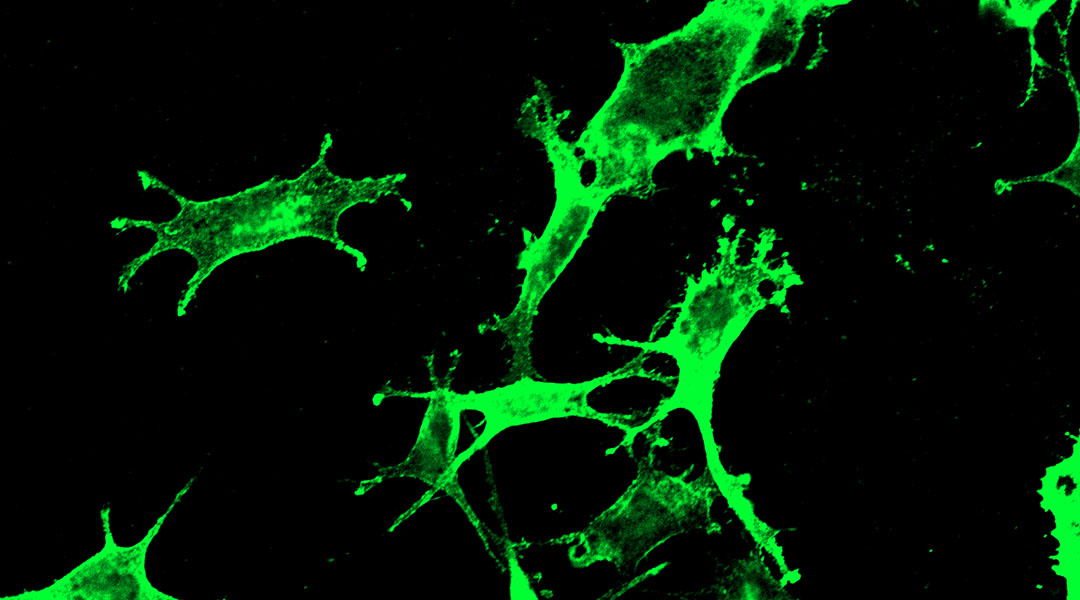
SARS-CoV-2 marker used to trigger the immune system against cancer, showing promise in shrinking tumors and improving survival in mice.
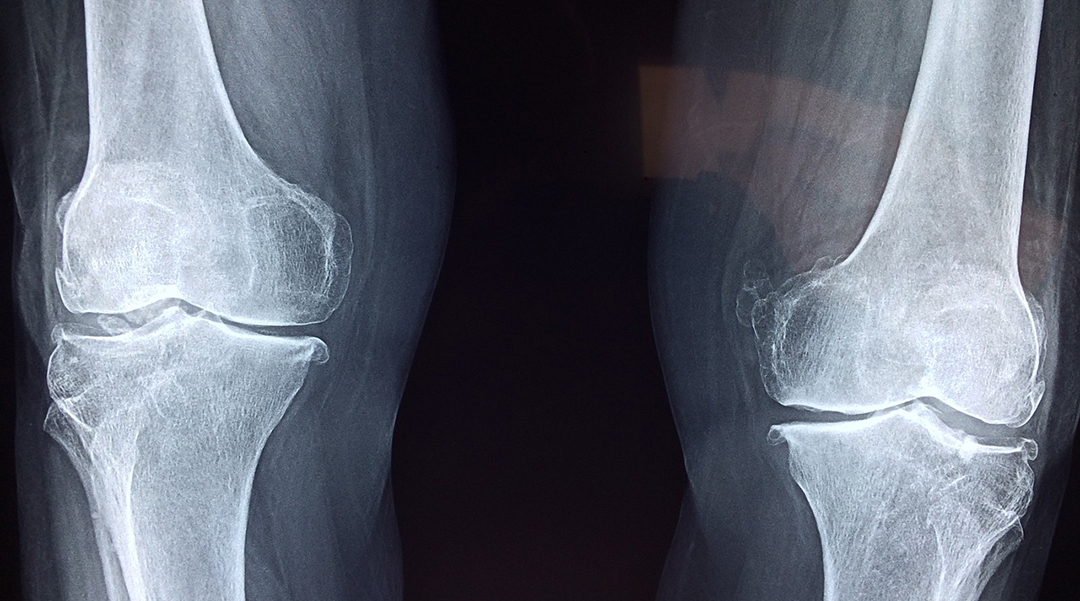
Bone implants integrate better with the body when they mimic the natural handiness of molecules that make up our bones.

A hydrogel delivers therapeutic molecules to the brain after a stroke, promoting blood vessel regrowth and aiding recovery.
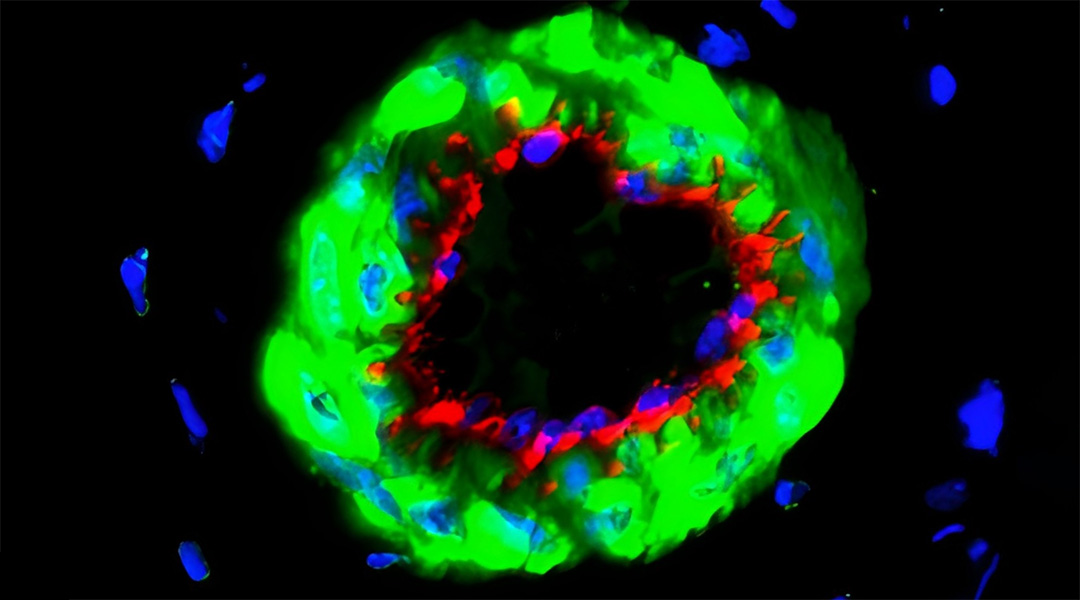
This safer, non-surgical treatment for diabetic limb ischemia could help patients with severe blood flow complications.

Pathogenic bioaerosols detected at household garbage collection sites may contribute to vascular aging with high chronic exposure.

Researchers have discovered that a protein produced by parasitic worms in the gut enhances wound healing in mice.
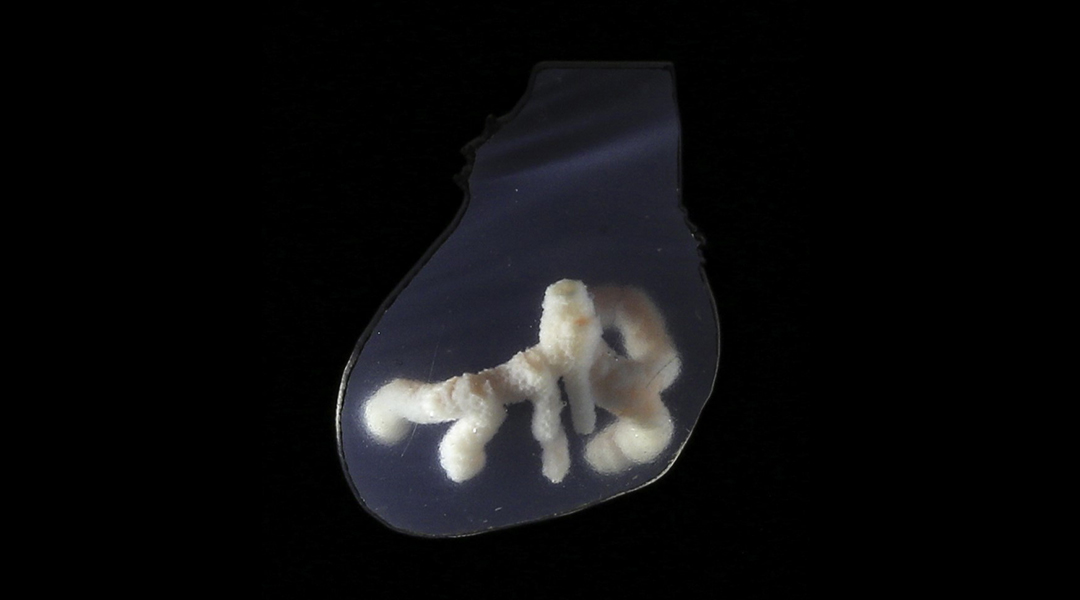
This 3D printing method could make lab-manufactured organ transplants not just a possibility but a viable reality.
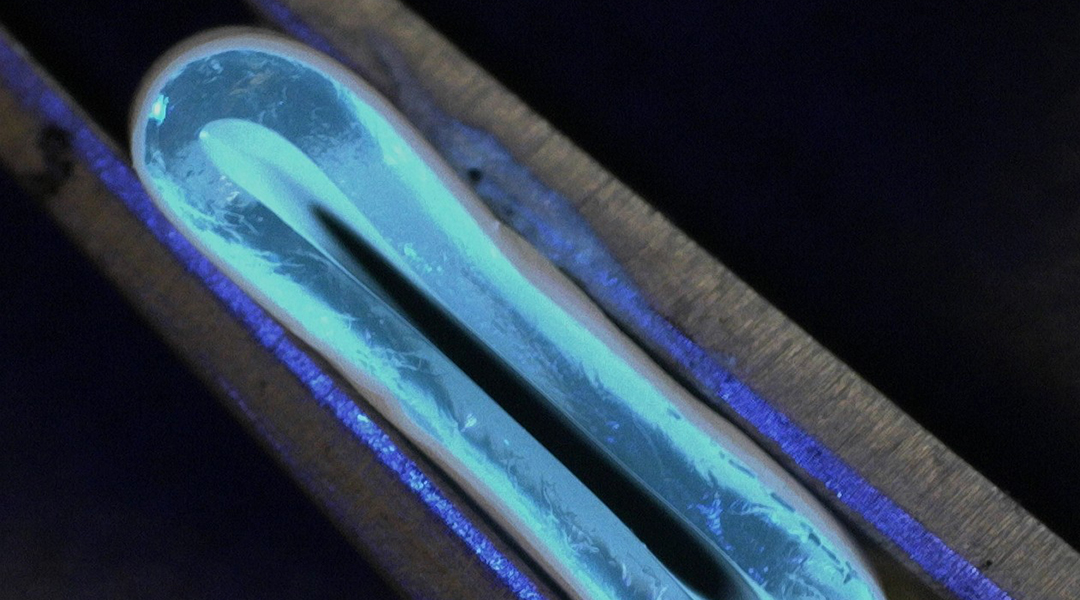
Using a hydrogel coated with electrospun nanofiber, a new artery graft offers safer coronary artery bypass interventions.

Lab-made model of human blood vessels provides accurate insights into effects of snake venom and could help develop new antivenoms.
 New theory suggests gravity is not a fundamental force
 Higgs boson may be driving the Universe’s expansion
 Water-powered gadgets may be on the horizon thanks to new evaporation-based energy device
 Scientists discover a new class of antibiotics
 Micron-sized hidden dimensions could solve two of physics’ deepest puzzles
 A new type of dark matter could explain mysterious radiation from the Milky Way’s core