Stimuli-sensitive drug carriers can aid in the treatment of diabetes as glucose biosensors and glucose-triggered insulin delivery systems.
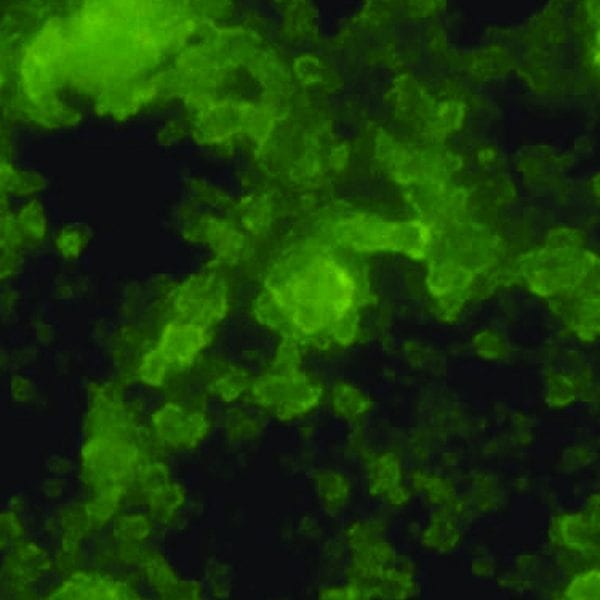

Stimuli-sensitive drug carriers can aid in the treatment of diabetes as glucose biosensors and glucose-triggered insulin delivery systems.
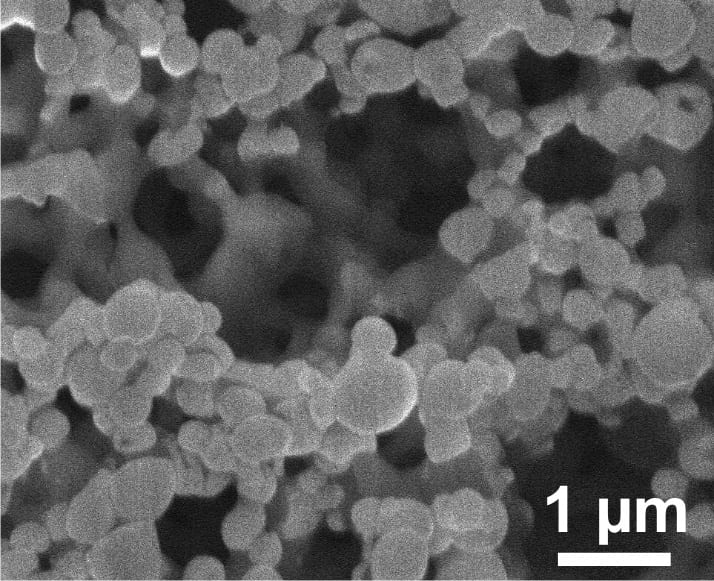
Researchers have developed a network of nanoscale particles that can be injected into the body and release insulin when blood-sugar levels rise.
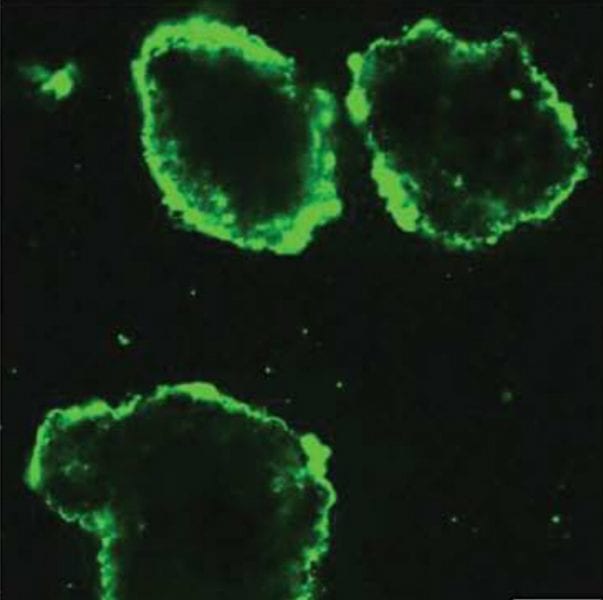
American researchers report new coating to improve promising treatment for Type 1 diabetes.
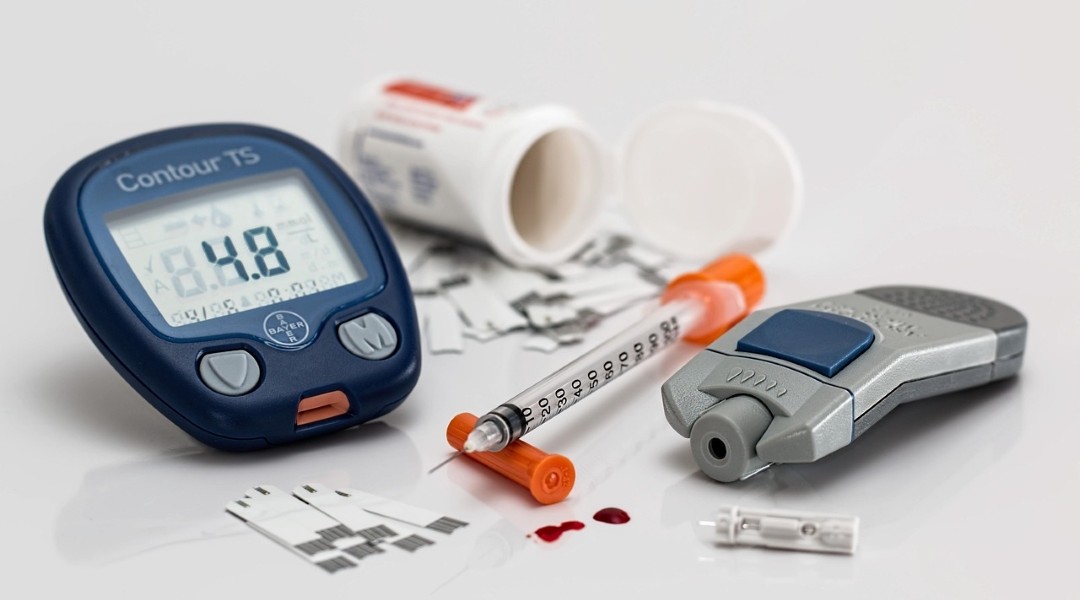
New technology could make diabetes management more accessible to those who need it most.
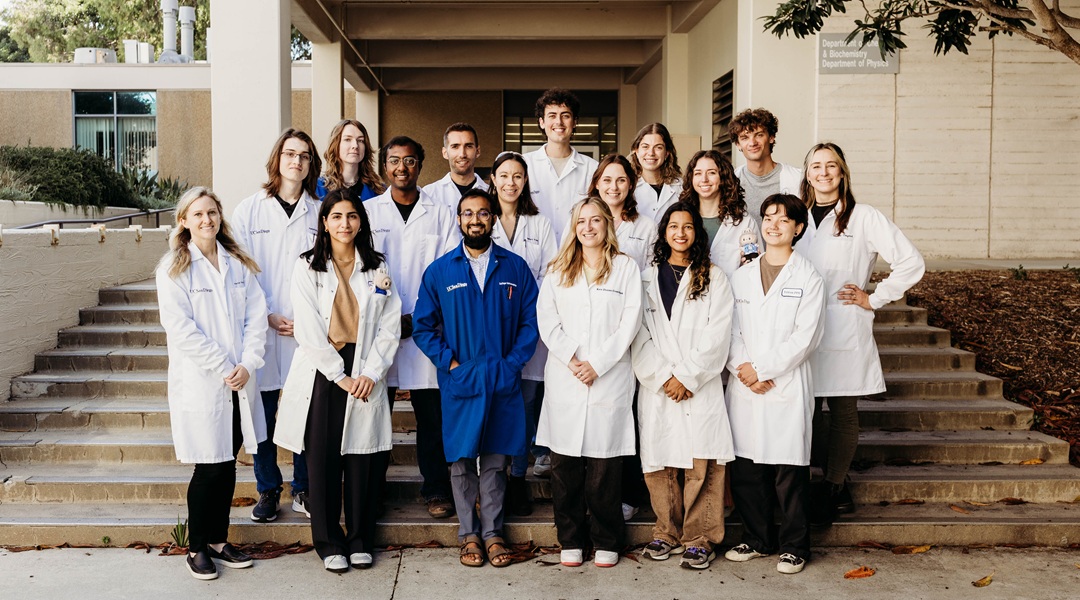
Young Innovator Awardee for 2025, Komor leads a group at UCSD developing precision genome editing methods using chemical biology.
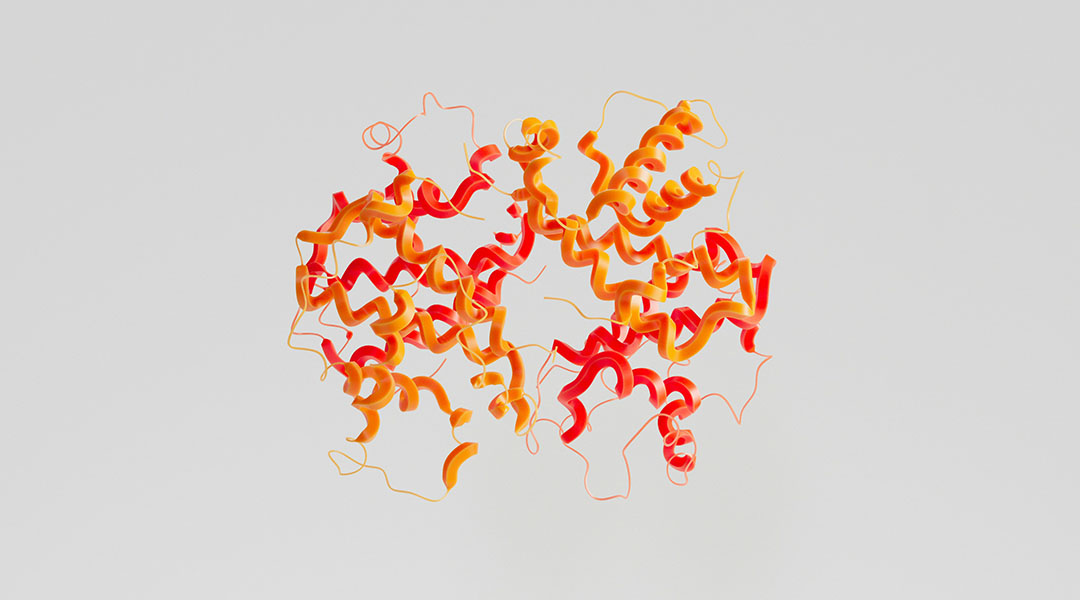
A new study identified the potential pathway responsible for linking high hemoglobin to polycystic ovary syndrome.
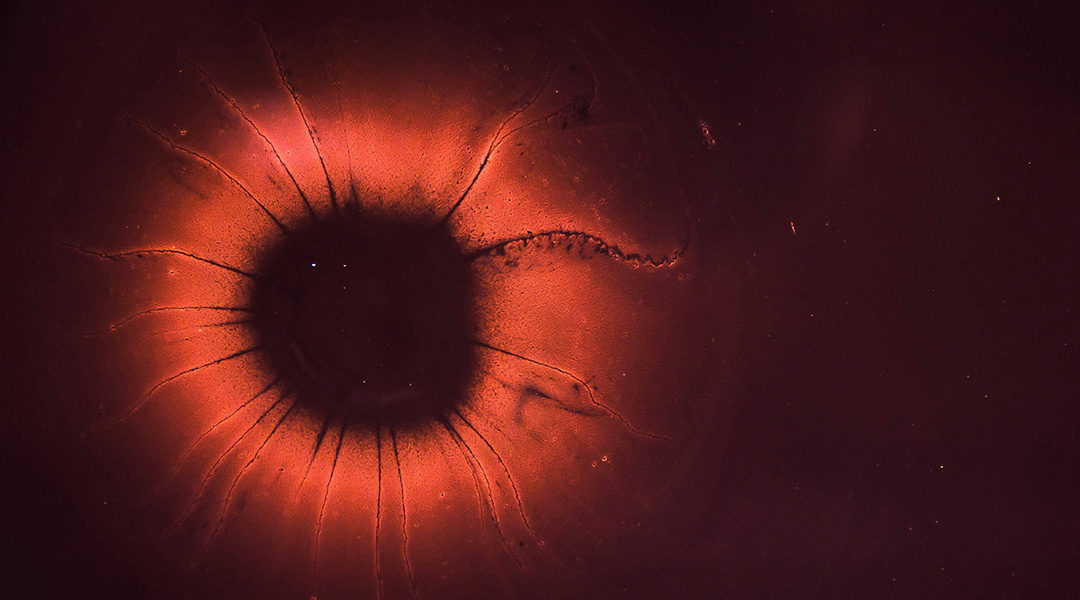
Cells that can no longer divide may play a role in the chronic inflammation that weakens the immune system and contributes to aging.
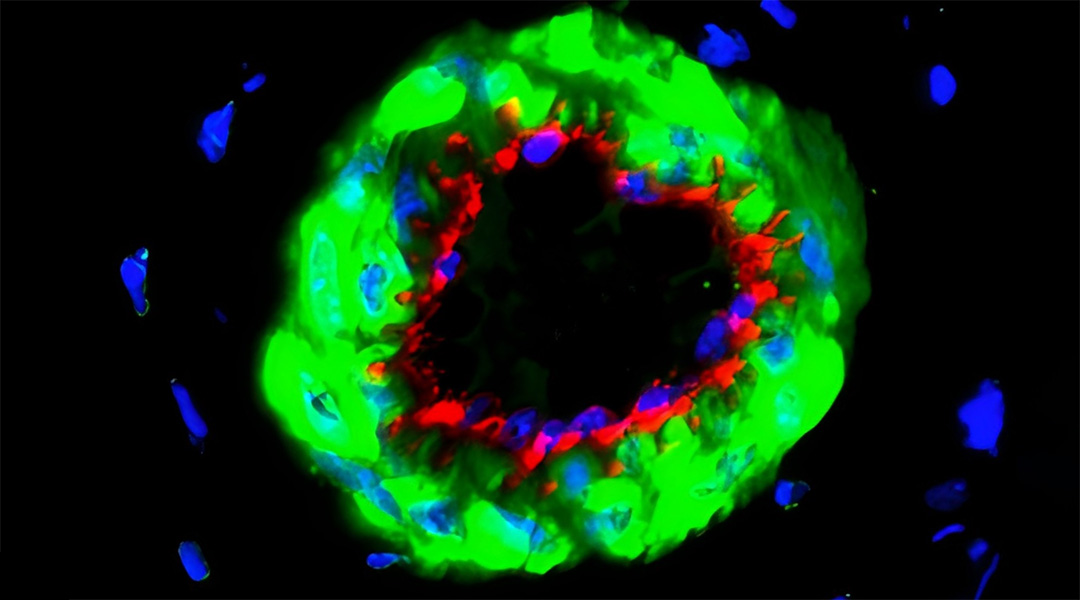
This safer, non-surgical treatment for diabetic limb ischemia could help patients with severe blood flow complications.

The protein helps convert white fat tissue into calorie-burning beige fat, providing a potential target for weight loss and obesity treatments.
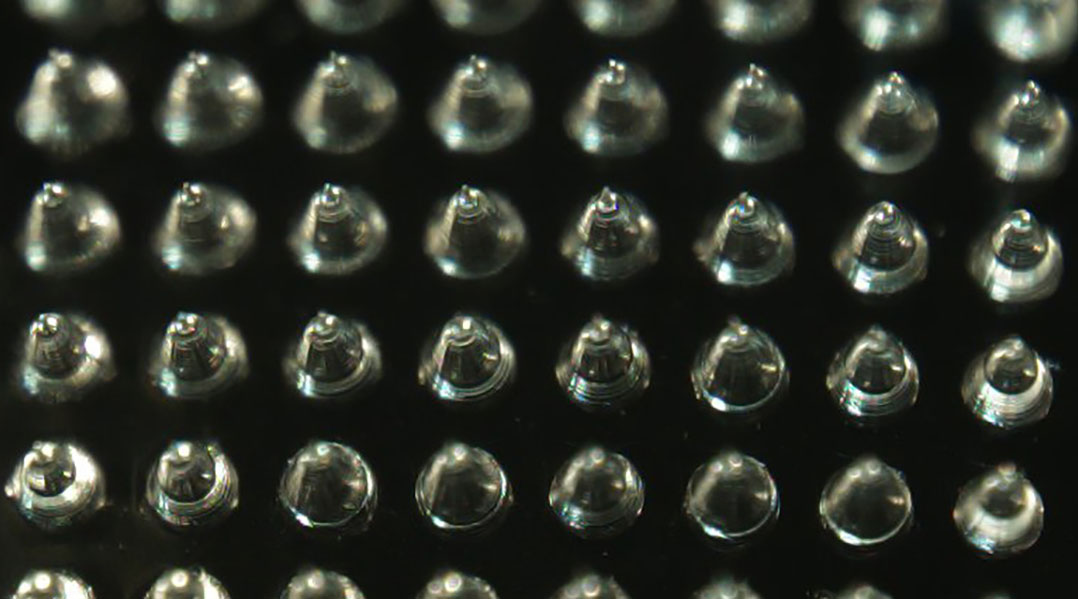
Microneedles allow scientists to precisely control the delivery of drugs to chronic wound sites and restore natural healing processes.
 New theory suggests gravity is not a fundamental force
 Higgs boson may be driving the Universe’s expansion
 Water-powered gadgets may be on the horizon thanks to new evaporation-based energy device
 Scientists discover a new class of antibiotics
 Micron-sized hidden dimensions could solve two of physics’ deepest puzzles
 A new type of dark matter could explain mysterious radiation from the Milky Way’s core