A flash heating technique breaks down plastic waste and converts it to pure hydrogen and graphene with significantly less emissions and at a low cost.
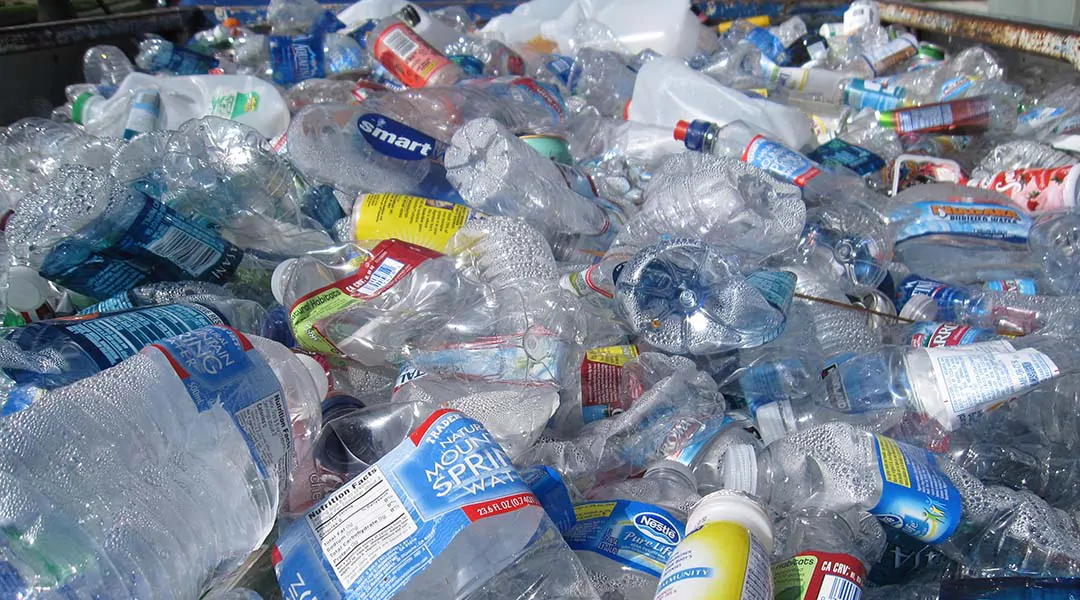

A flash heating technique breaks down plastic waste and converts it to pure hydrogen and graphene with significantly less emissions and at a low cost.
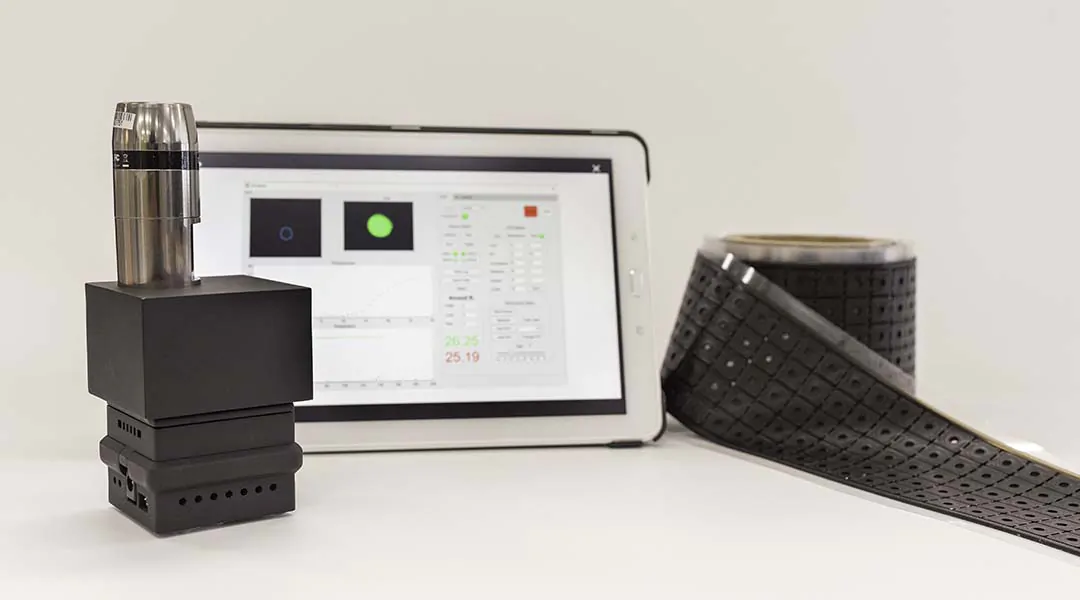
The hand-held device was designed for use by the general public, providing diagnoses in only 15 minutes without the need for appointments and long wait times for results.

A self-assembling helix formed from nateglinide, a complementary diabetes treatment, provides a protective coating that could open the door to an oral insulin medication.
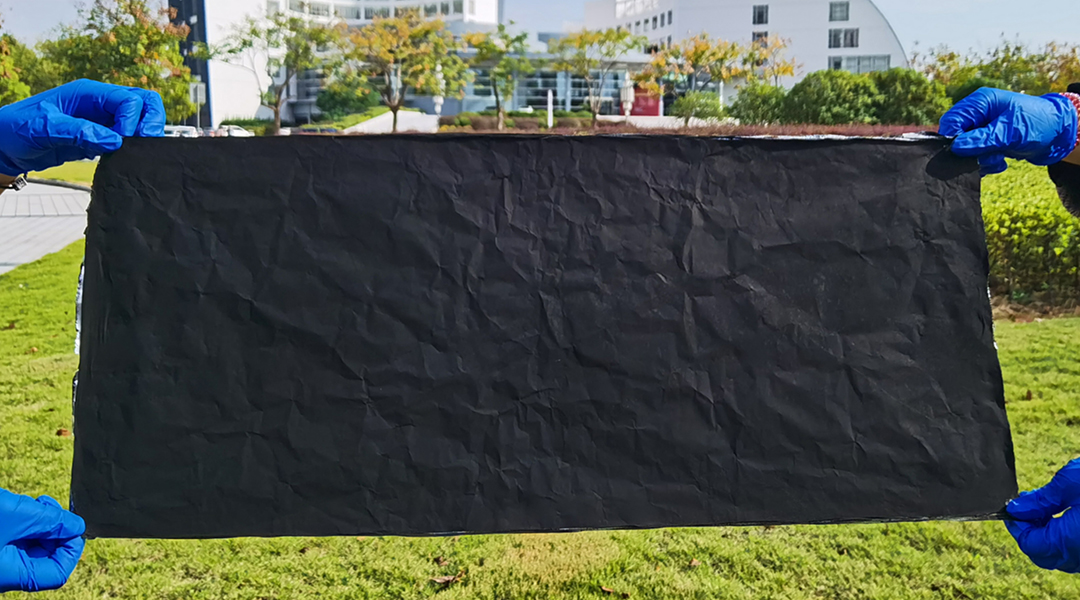
Researchers create a multi-layered electronic skin that mimics human skin with applications ranging from robotics to telehealth.

An acid sensitive hydrogel makes it possible to detect dangerous leaks before they cause damage.
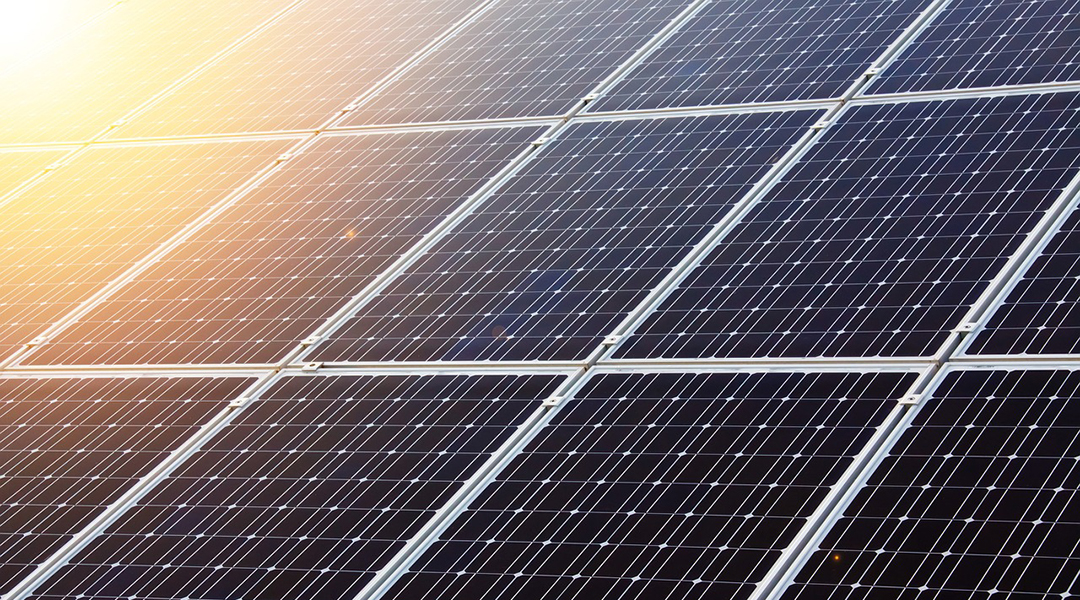
A new design approach and specialized organic material helps improve the efficiency of lateral solar cells, turning energy generation on its side.
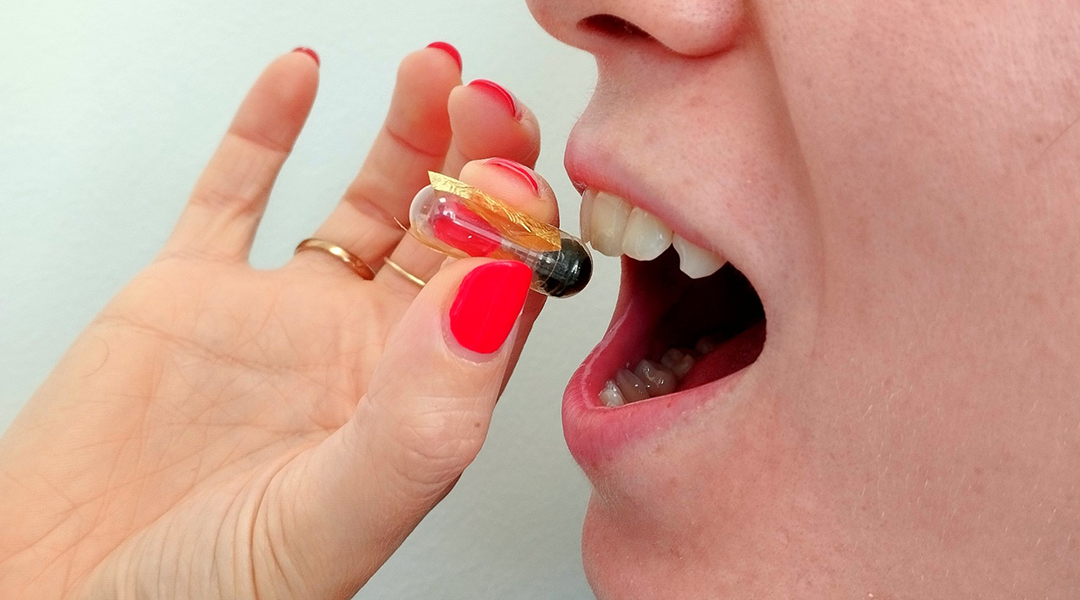
A partially edible robot based on a fully edible sensor addresses the burden of electronic waste while simultaneously acting as a nutrition source.

Vital to the fusion process and used in a wealth of technological applications, new research shows quantum tunneling is still delivering surprises.

A textured film maximizes sunlight by generating an increased amount of red light, reducing the costs of algae production on a significant scale.

Recent investigations of this rocky exoplanet signify a significant milestone in planetary science and for the James Webb Space Telescope.

 Micron-sized hidden dimensions could solve two of physics’ deepest puzzles
 Turning Periods into Power: Menstrual Blood a Valuable Resource for Medical Diagnostics
 Surfactants Steer Supraparticle Structure
 Bone loss in obesity traced to gut microbiota
 Edible electronics realize safe, complex monitoring devices
 Fermilab Confirms Muon g-2 Measurements