Fluorescent carbon dots can be made by plasma pyrolysis and used as printer ink.
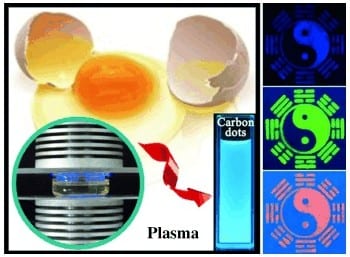

Fluorescent carbon dots can be made by plasma pyrolysis and used as printer ink.
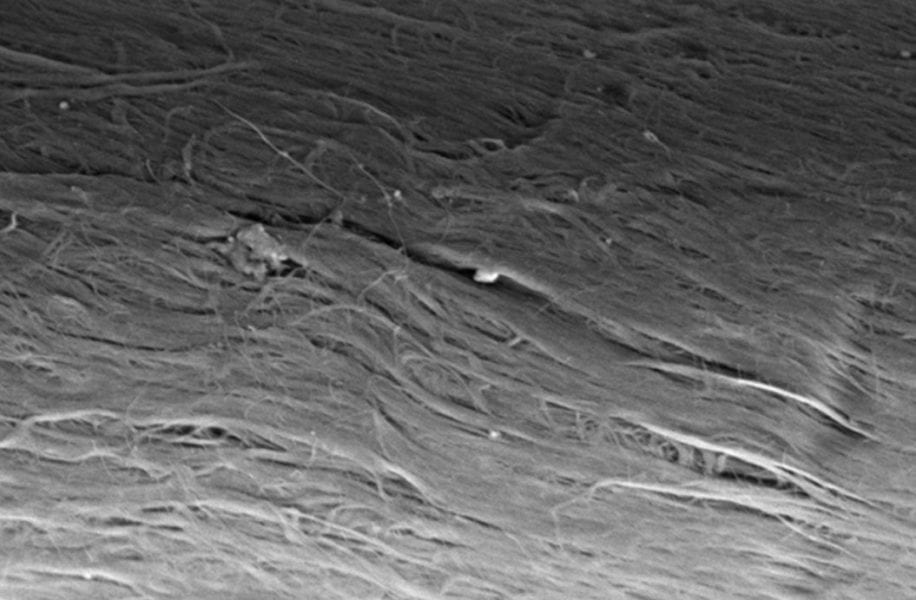
Researchers have reported, for the first time, the fabrication of carbon-nanotube-fiber-based conductors by a simple prestraining-then-buckling approach.
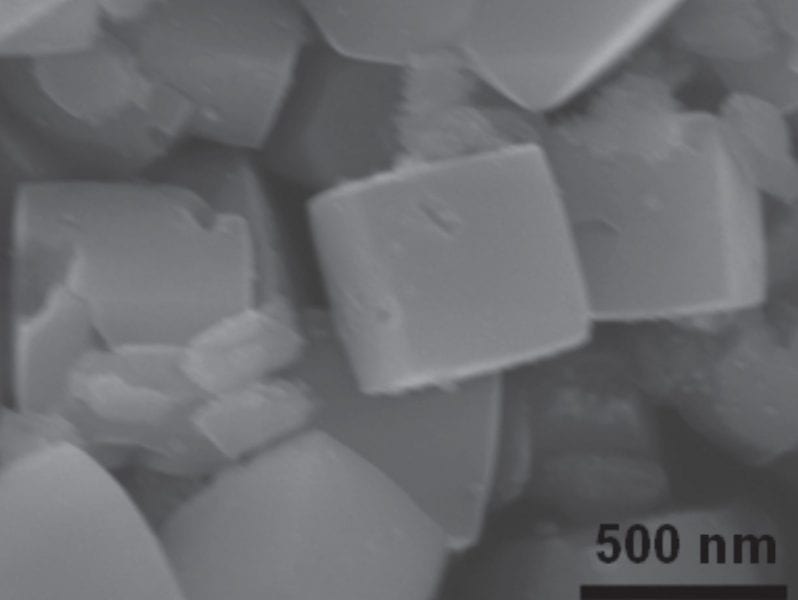
Chinese researchers have developed a new nanomaterial to improve the chemical conversion rate in photocatalytic energy systems.

Scientists present unique crumpled nitrogen-doped graphene nanosheets as supercapacitor materials for energy-storage.

Researchers from the Princeton University show that the glass transition temperature of norbornene polymers can be raised drastically by adding a phenyl side group.
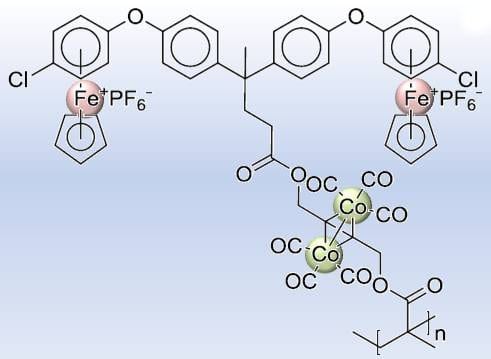
Canadian researchers now synthesized polymers that contain two different organometallic cores by post modification of organoiron poly(alkynyl methacrylates) with dicobalt hexacarbonyl.

Professor Ozin looks back at the predictions for the field of nanochemistry he made 20 years ago; where has nanotechnology gone since?
Nanotube fields, ferroic crystals, and nanoscale templates – these and more in August’s physics highlights.

This week’s top three are all newcomers to the Advanced Energy Materials Top 40 table.

What goes into building an Olympic stadium? The London experience of industry specialists provides some answers…

 Micron-sized hidden dimensions could solve two of physics’ deepest puzzles
 Turning Periods into Power: Menstrual Blood a Valuable Resource for Medical Diagnostics
 Surfactants Steer Supraparticle Structure
 Bone loss in obesity traced to gut microbiota
 Edible electronics realize safe, complex monitoring devices
 Fermilab Confirms Muon g-2 Measurements