Triazine-based graphitic carbon nitride has the potential to improve transistors used in electronic devices.
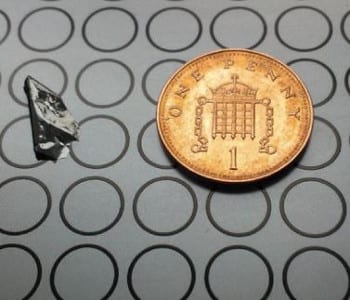

Triazine-based graphitic carbon nitride has the potential to improve transistors used in electronic devices.
Researchers have demonstrated a technique whereby the electronic properties of GBN heterostructures can be modified with visible light.
Using a commercially available inkjet printer, electrical engineers were able to produce plasmonic structures with varying conductivities.

Development of cobalt and boron alloyed steel with more resistance at high temperatures avoids CO2 emission and increases the efficiency of power plants.
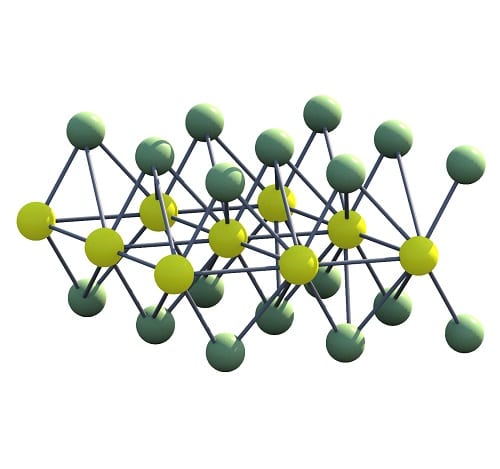
Ultrathin layers made of tungsten and selenium may be used as flexible, semi-transparent solar cells.

We’ll be attending the EMRS Spring Conference in Lille next week, and we’re going to keep you updated on all the latest.

Heat-based carbon nanotube/PDMS sensor developed at University of Michigan could detect terahertz radiation in real-time.

A special issue of chemsuschem dedicated to the chemistry of energy conversion and storage.
A mechanism of growth of anisotropic metal oxides that was predicted 20 years ago has been observed for the first time.
Researchers create an artificial chemical sensor based on one of the human body’s most important receptors.

 Micron-sized hidden dimensions could solve two of physics’ deepest puzzles
 Turning Periods into Power: Menstrual Blood a Valuable Resource for Medical Diagnostics
 Surfactants Steer Supraparticle Structure
 Bone loss in obesity traced to gut microbiota
 Edible electronics realize safe, complex monitoring devices
 Fermilab Confirms Muon g-2 Measurements