Nanogels were developed as magnetic capturing devices for circulating tumor cells and applied in the magnetic separation of human cancer cells from a mixed cell suspension.
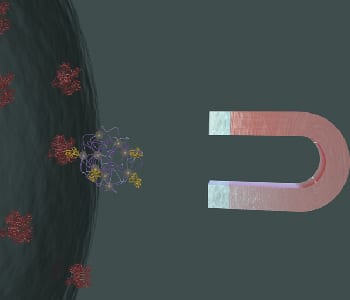

Nanogels were developed as magnetic capturing devices for circulating tumor cells and applied in the magnetic separation of human cancer cells from a mixed cell suspension.
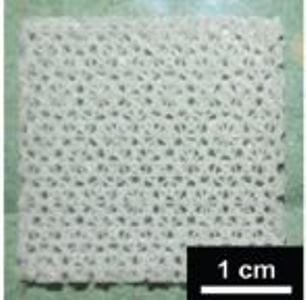
Researchers synthesized a copolymer scaffold from Polycaprolactone (PCL) and poly-D, L-lactic acid (PDLLA) for potential breast tissue engineering.
Researchers have proposed a new idea to deliver anti-cancer drugs to tumor sites by combining immunotherapy and nanoparticles.
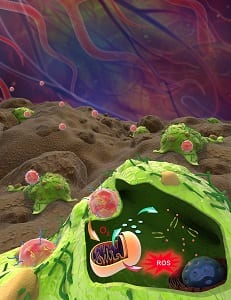
This nanocarrier shows excellent oxygen-carrying properties and ATP-responsive drug release, which makes it a potent agent for cancer therapy.
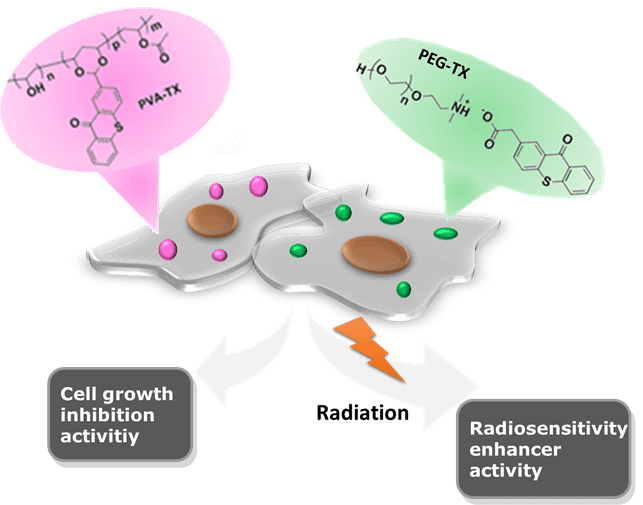
Researchers successfully prepare polymeric thioxanthones, which were shown to be used as potential anticancer and radiotherapy agents.
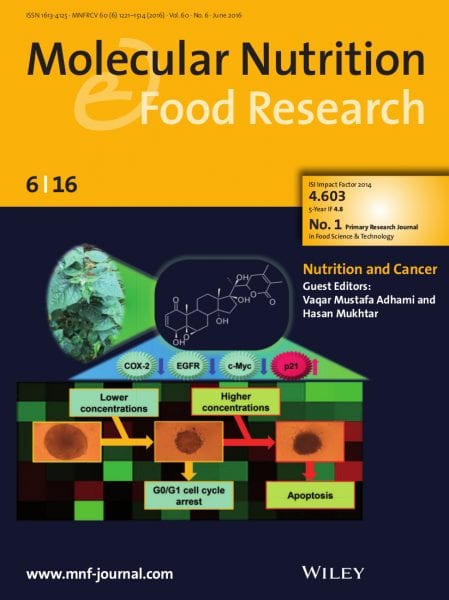
Check out the articles highlighted on the latest Molecular Nutrition & Food Research Covers.
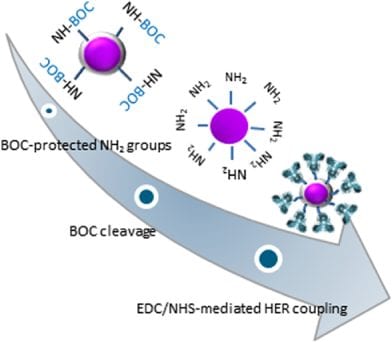
A novel method for preparing biodegradable polyurethane nanoparticles that will actively recognize cancer cells.
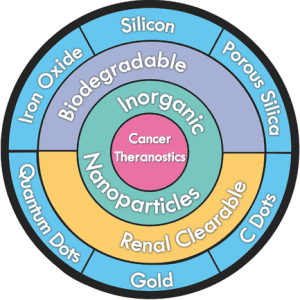
Nanoparticles have proven to be a powerful tool in fighting cancer through the development of personalized therapy options.
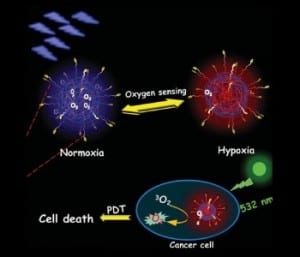
Phosphorescent conjugated polymer dots (Pdots) are developed for cancer cell imaging and therapy.
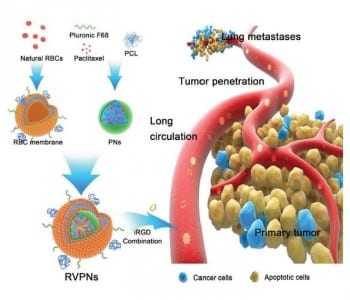
A nanosized drug delivery system is developed, which significantly inhibits tumor growth and metastasis formation of breast cancer when loaded with the drug paclitaxel.
 New theory suggests gravity is not a fundamental force
 Higgs boson may be driving the Universe’s expansion
 Water-powered gadgets may be on the horizon thanks to new evaporation-based energy device
 Scientists discover a new class of antibiotics
 Micron-sized hidden dimensions could solve two of physics’ deepest puzzles
 A new type of dark matter could explain mysterious radiation from the Milky Way’s core