A shape-shifting robot can access hard-to-reach locations in the GI tract, and is a step up from conventional endoscopic techniques.
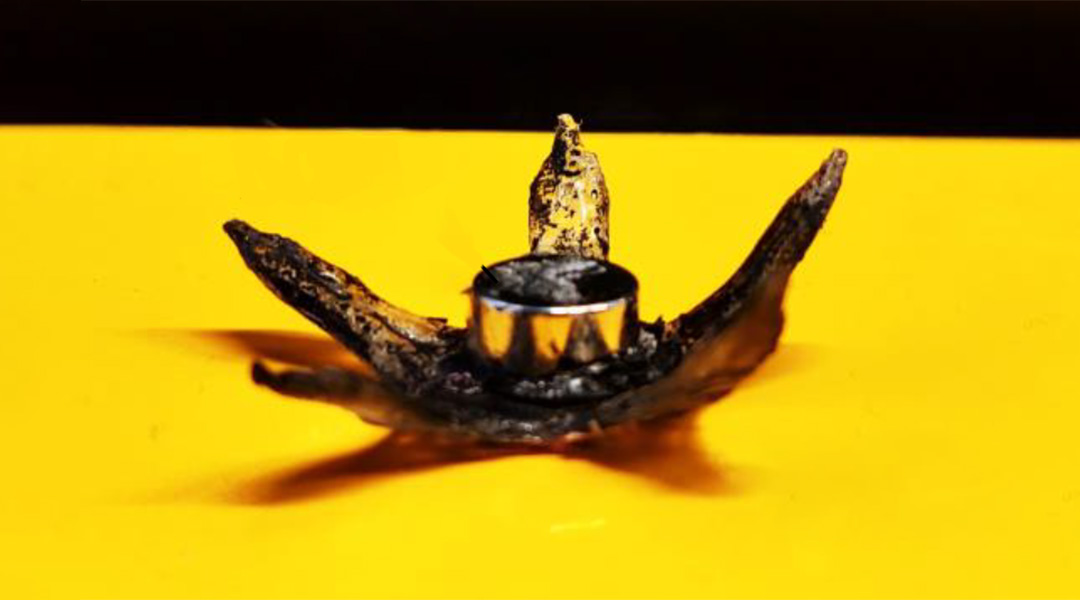

A shape-shifting robot can access hard-to-reach locations in the GI tract, and is a step up from conventional endoscopic techniques.
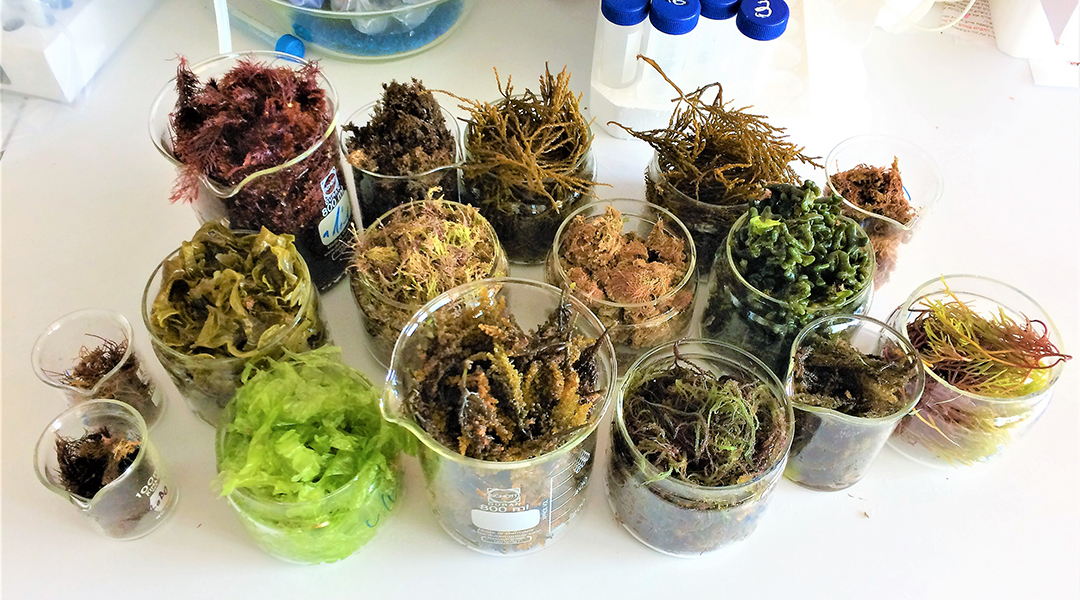
A new cultivation method enhances the concentration of valuable compounds in seaweeds with substantial environmental benefits.

Biosorption could help in the recycling and reuse of rare earth elements.

The infant microbiome can be built from a dizzying array of different sources.
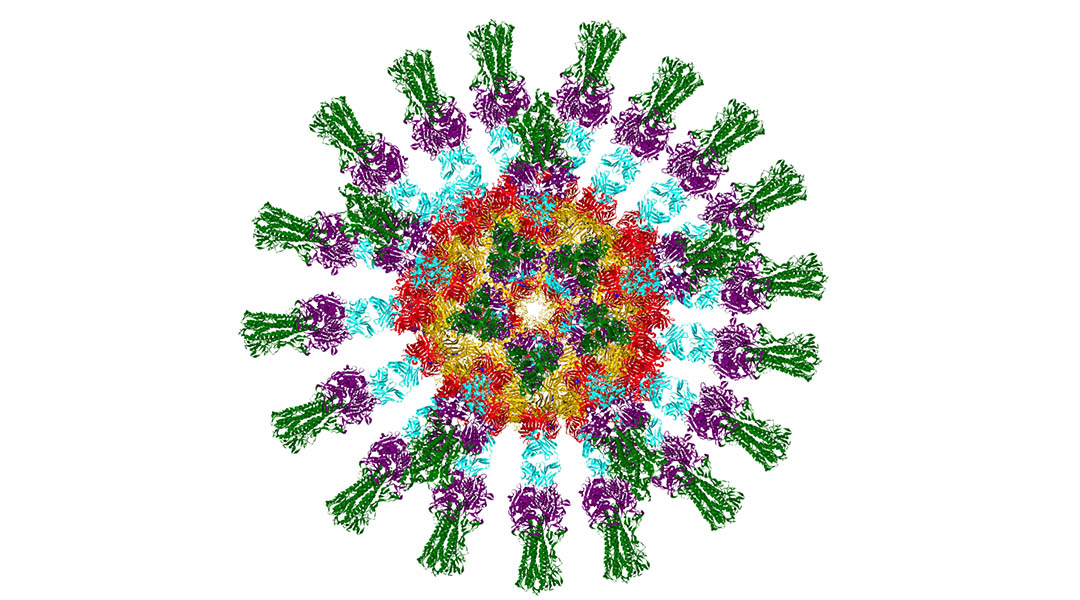
To create a flu vaccine that doesn’t require annual tweaking, researchers develop a nanovaccine that uses an inverted hemagglutinin protein.
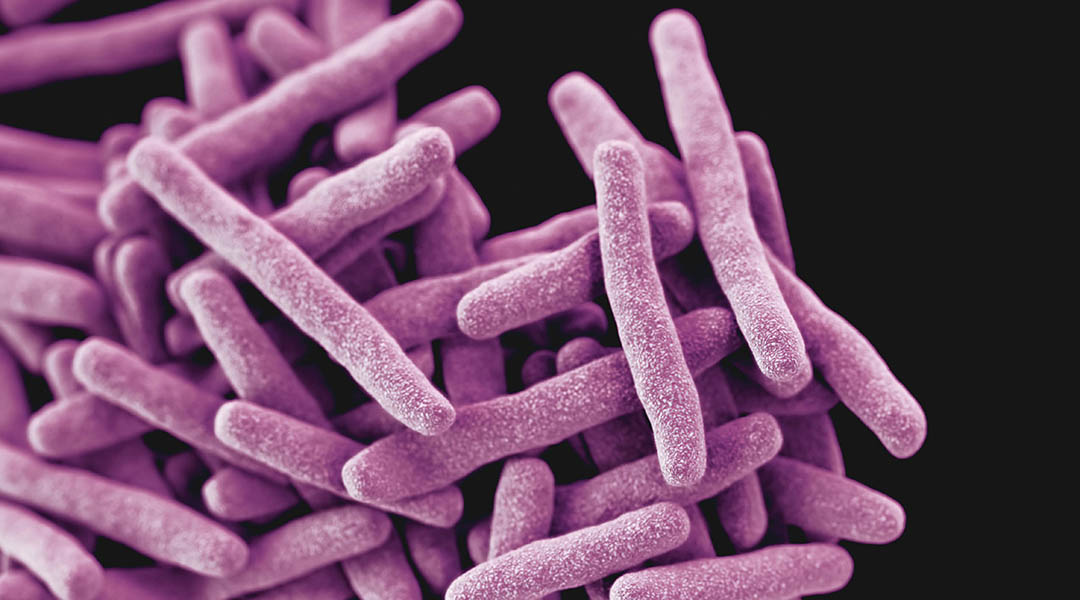
The genetic variant that causes Gaucher disease may have helped breakdown tuberculosis-causing bacteria in cells through lipid buildup.
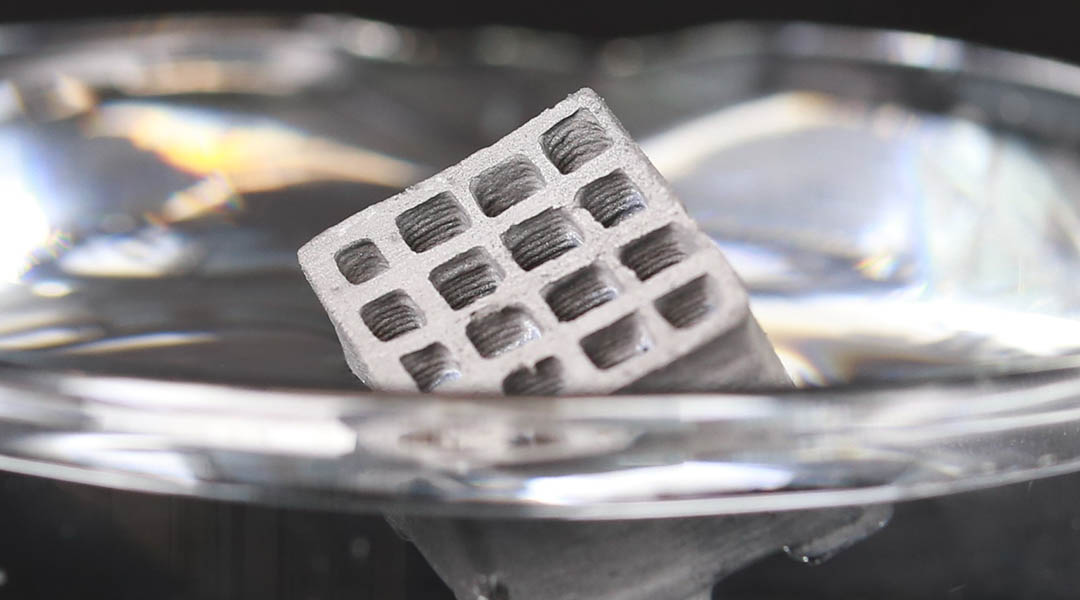
Striking images and innovative science — from a hydrogel chessboard to floating steel and a thyroid-on-a-chip.
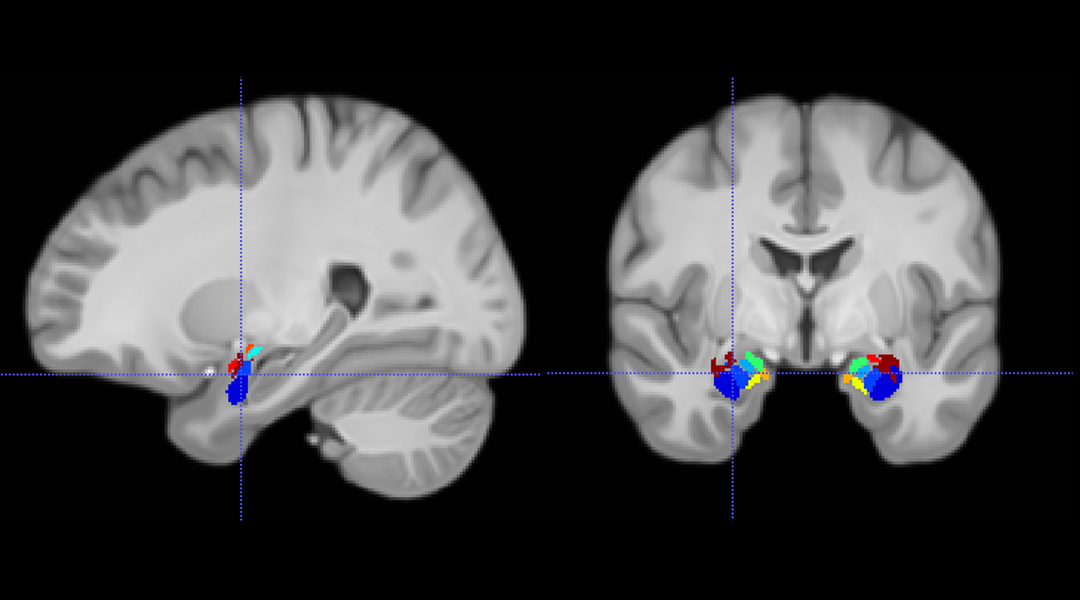
Understanding how our brain regulates emotional memory could help treat disorders such as depression or PTSD.

A discovered embalming workshop reveals new details about mummification practices and hints that ancient Egyptians engaged in global trade.
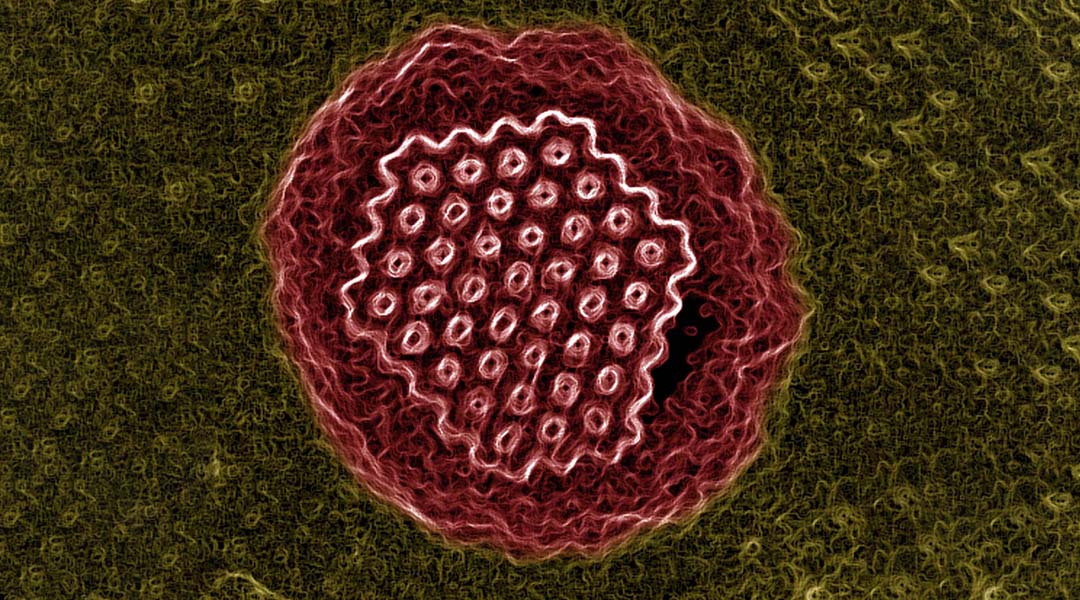
How seven ancient viruses ranging in age from 27,000 to 48,500 years were recovered from the Siberian permafrost, and what researchers hope to learn from them.
 New theory suggests gravity is not a fundamental force
 Higgs boson may be driving the Universe’s expansion
 Water-powered gadgets may be on the horizon thanks to new evaporation-based energy device
 Scientists discover a new class of antibiotics
 Micron-sized hidden dimensions could solve two of physics’ deepest puzzles
 A new type of dark matter could explain mysterious radiation from the Milky Way’s core