Novel photonic device concepts can be realized with transition metal dichalcogenides.
![Advancing Photonic Devices with 2D Semiconductors [Video]](https://www.advancedsciencenews.com/wp-content/uploads/2018/11/adma201802687_ASN_image.jpg)

Novel photonic device concepts can be realized with transition metal dichalcogenides.
![Carbon Nanomaterials in Healthcare [Video]](https://www.advancedsciencenews.com/wp-content/uploads/2018/11/adma201802368_ASN_image.jpg)
Carbon nanomaterials are promising therapeutic and diagnostic agents for healthcare applications including imaging and drug-delivery.
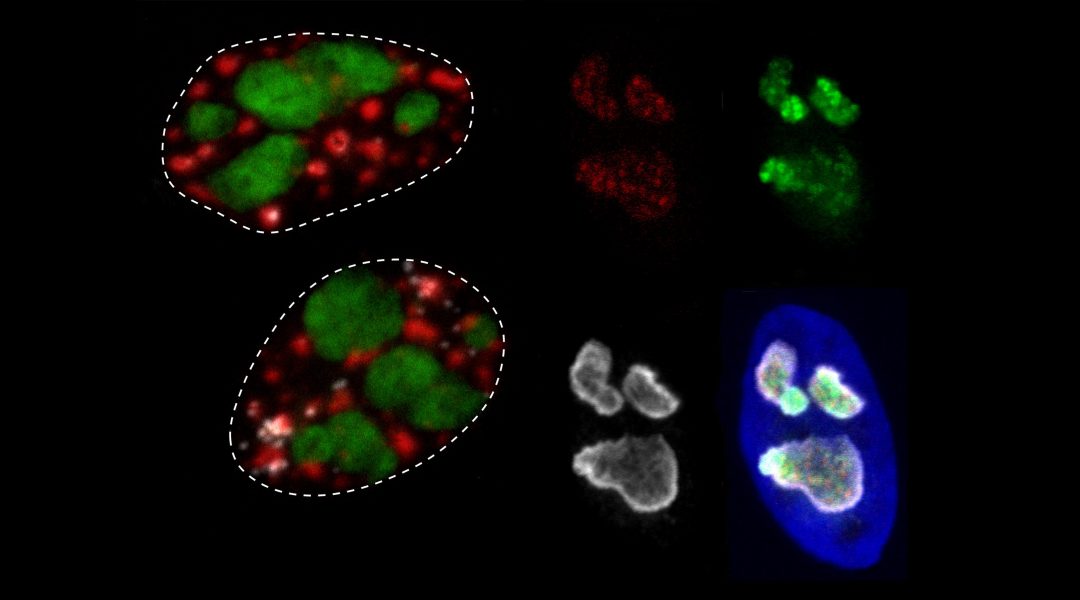
An analysis of nuclear body protein disorder that suggests MLO proteomes are significantly more disordered than structured cellular features.

In their review published in BioEssays, Arnaud Gautier and Alison Tebo discuss new labeling protocols, actuation methods and biosensors based on fluorogenic protein systems.
![A Bacteria-Based Coating for Engineering Stem Cells [Video]](https://www.advancedsciencenews.com/wp-content/uploads/2018/11/adma201804310_ASN_image.jpg)
Non-pathogenic bacteria can colonize different surfaces to help direct human stem cells to bone cells.

A team of Russian scientists developed an OCT system with angiography for everyday clinical use.
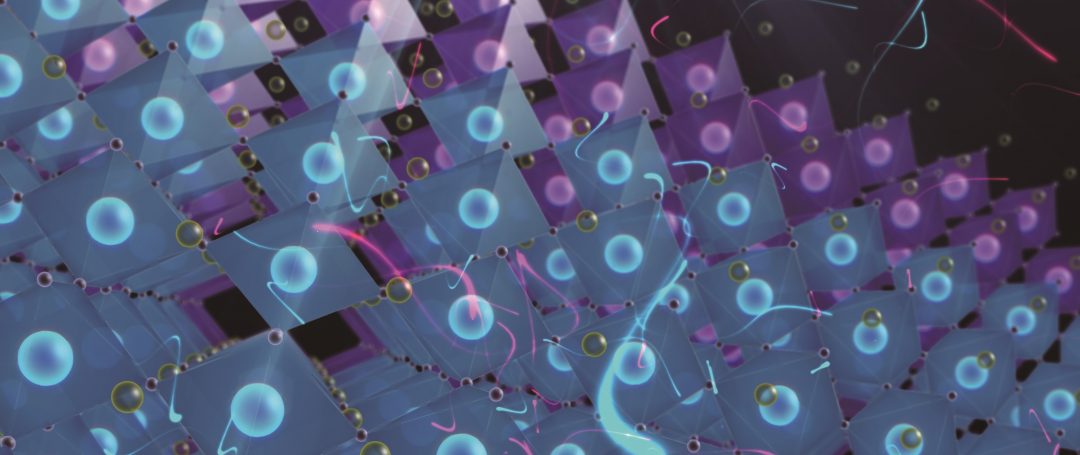
Henry Snaith and Zhiping Wang discuss the reasons behind thermal instability in perovskite structures, and the solutions under investigation.

Borealis and Bockatech partner to develop low cost, high performance and sustainable food packaging.
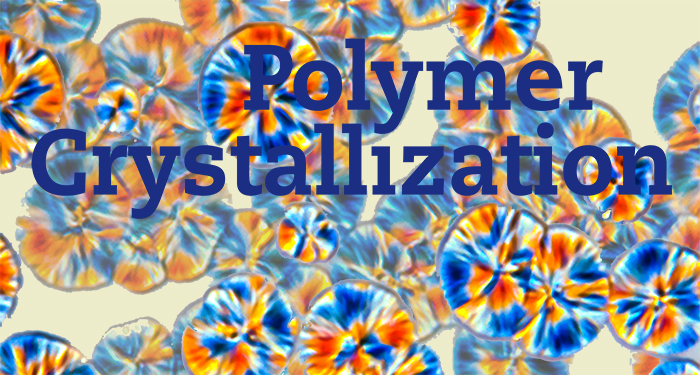
Three exceptional young scientists were awarded poster prizes from the new journal Polymer Crystallization at the 2018 Polymer Crystallization Workshop that took place in September in Genova.

More sustainable packaging: The Danish beer company Carlsberg launches Snap Pack.
 New theory suggests gravity is not a fundamental force
 Higgs boson may be driving the Universe’s expansion
 Water-powered gadgets may be on the horizon thanks to new evaporation-based energy device
 Scientists discover a new class of antibiotics
 Micron-sized hidden dimensions could solve two of physics’ deepest puzzles
 Turning Periods into Power: Menstrual Blood a Valuable Resource for Medical Diagnostics