E-CASE liquid metal adhesive enables flexible connections to make better, tougher flexible electronics for wearables and robotics.
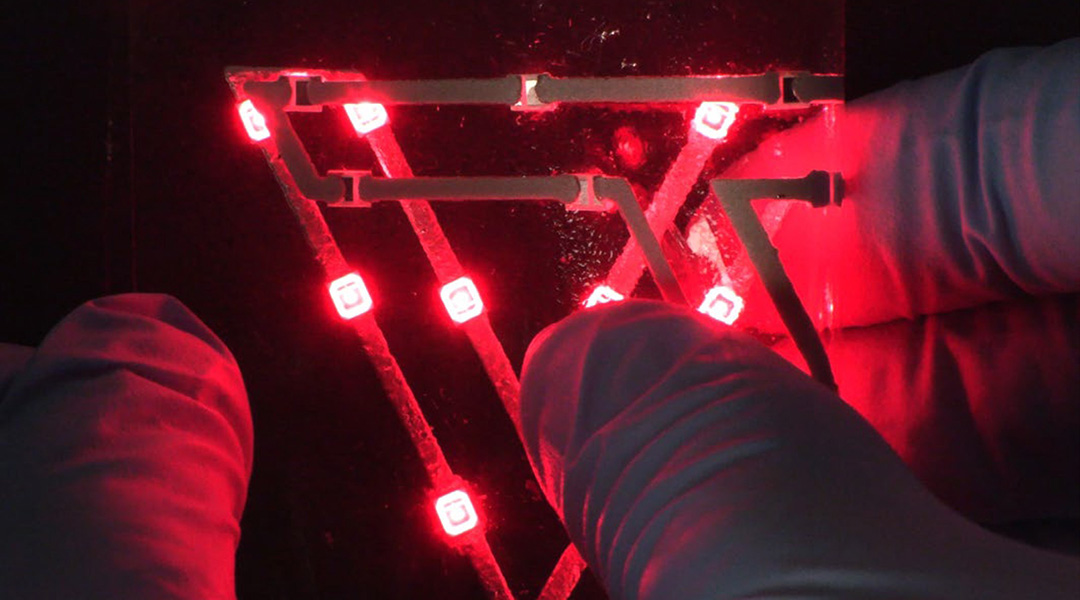

E-CASE liquid metal adhesive enables flexible connections to make better, tougher flexible electronics for wearables and robotics.
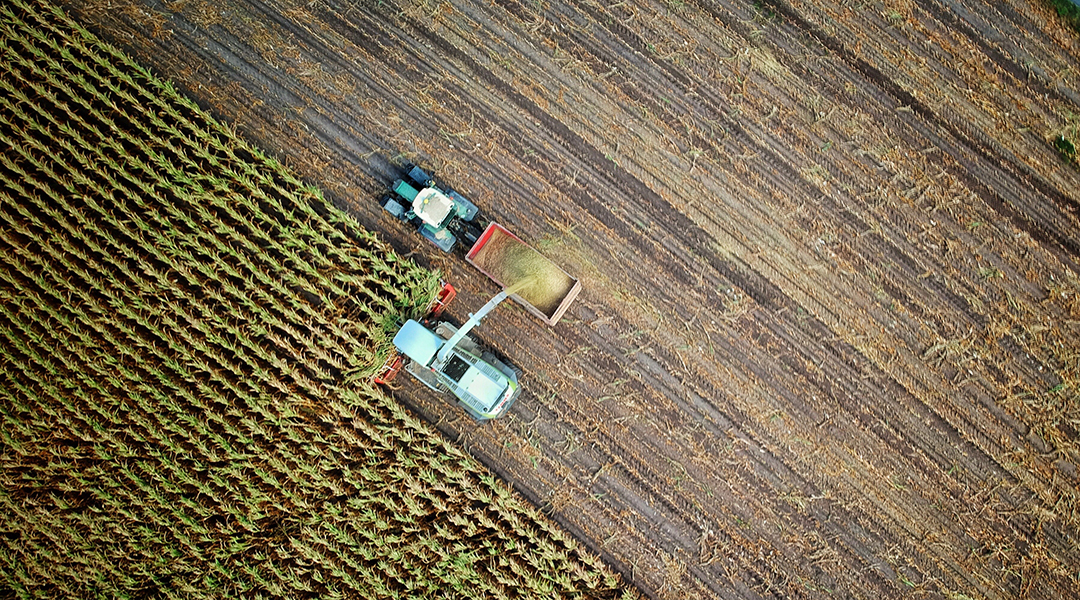
With innovations in biosensors, Internet of Things, and machine learning, a collective effort could offer a way to overcome an impending shortage.
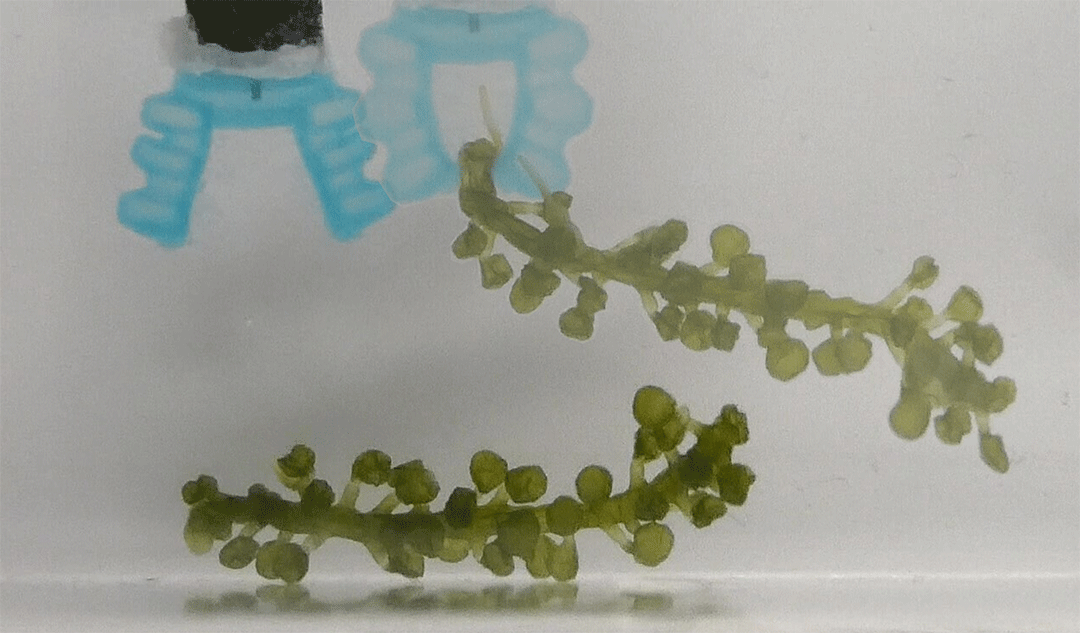
Biodegradable soft robots made from brown seaweed and hydrogels enable the exploration of fragile environments with minimal environmental impact.
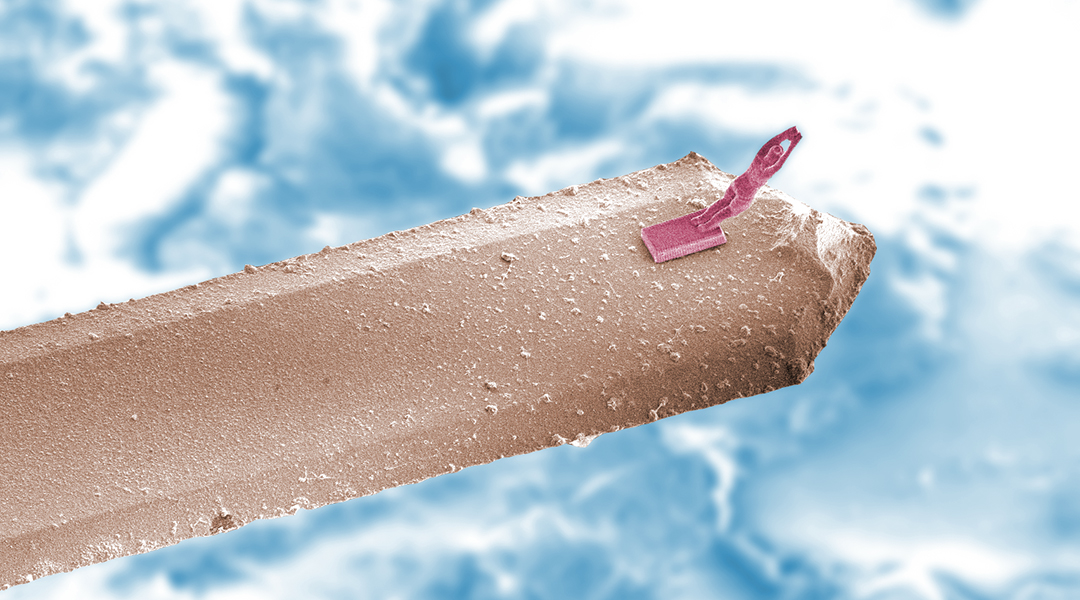
From holographic sound waves to nanobelt haystacks, this gallery gives a renewed appreciation for scientific exploration.

Engineer, author, and educator Ritu Raman blends many talents and is fast becoming a leading figure in the biofabrication community.
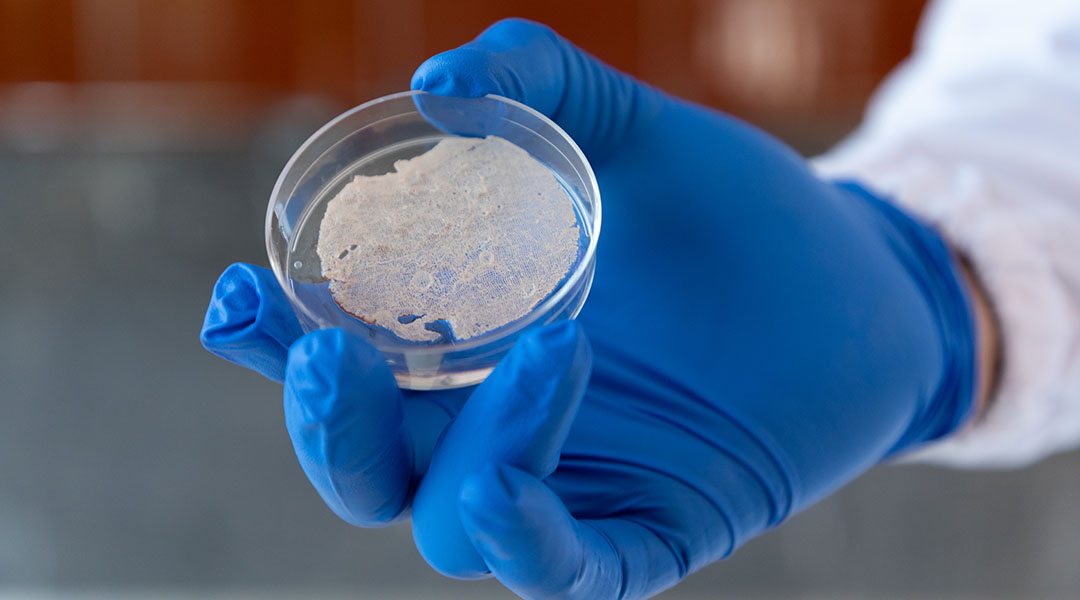
Using plant proteins derived from crop waste and spent grains adds new dimension to sustainable lab-grown meats.
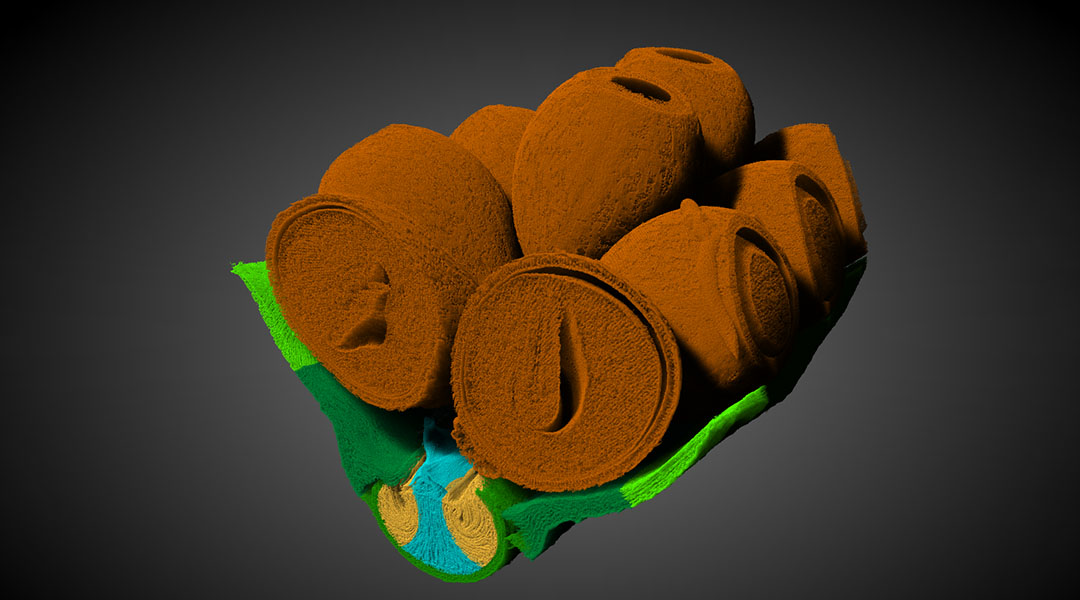
Taking inspiration from nature, scientists create a two-component catapult that overcomes limitations in 4D printing.
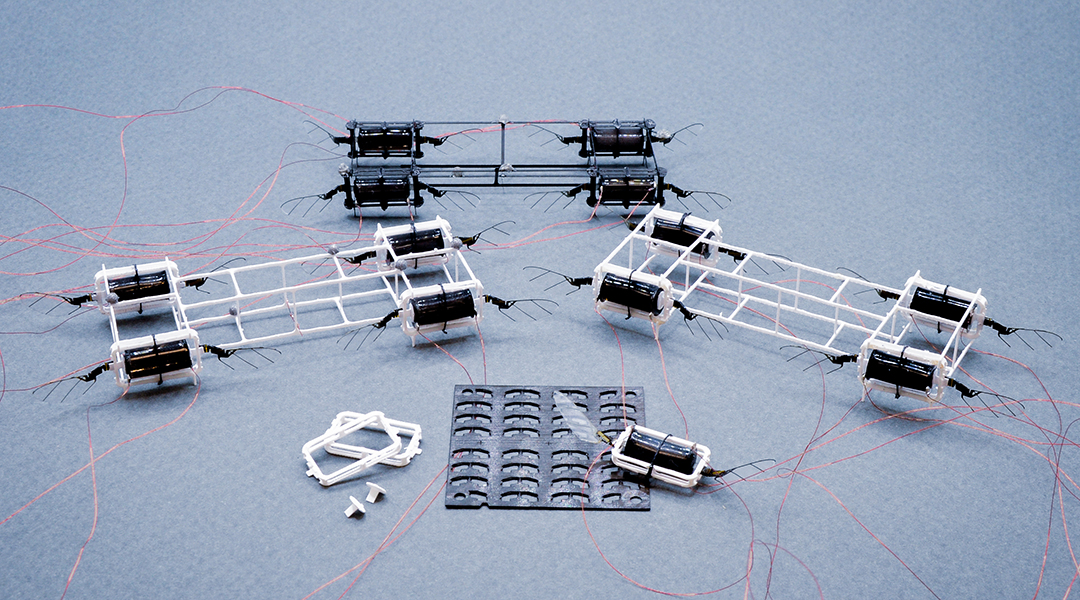
To make swarms of honeybee-sized robots, researchers propose new design and fabrication methods to cut down on time and resources.
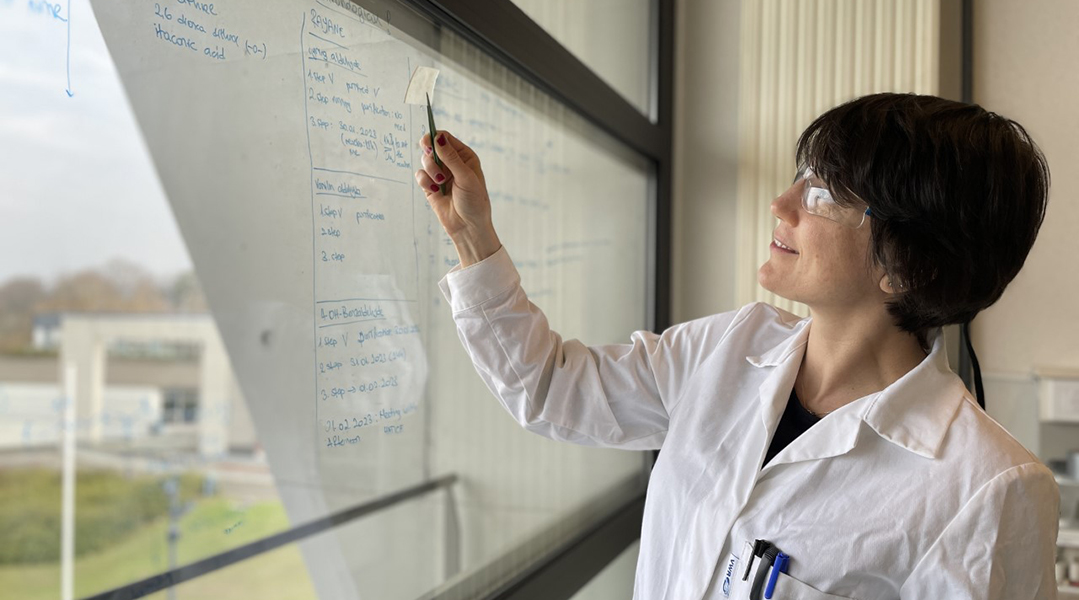
Chemist Hatice Mutlu applies zero-waste methods to create biodegradable polymers that can be used perpetually.
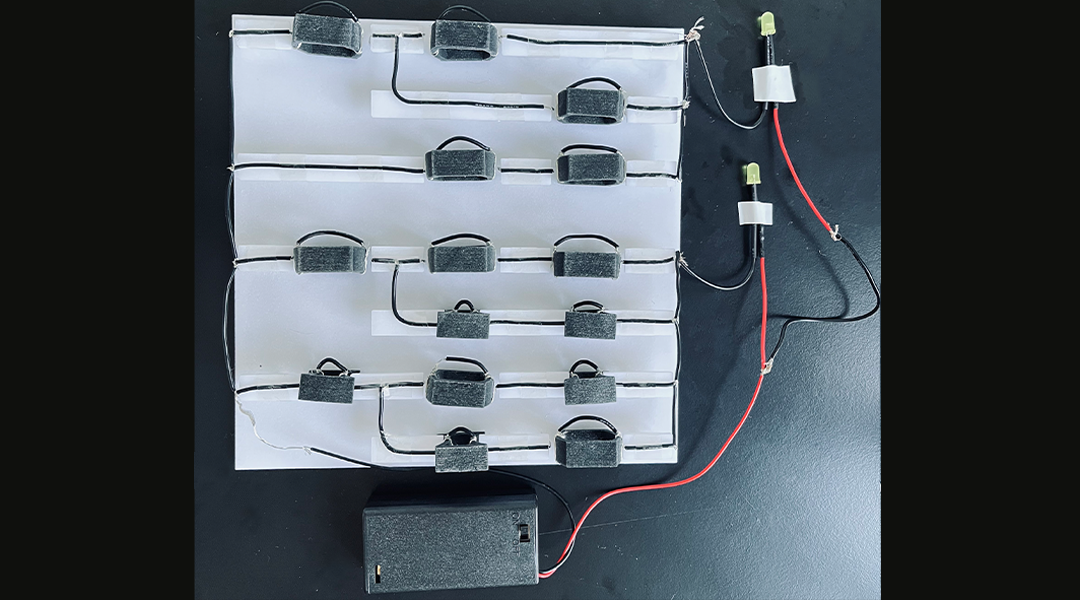
Putting a modern spin on old tech, scientists create a mechanical computer from metamaterials for situations where electronic computers break down.

 Micron-sized hidden dimensions could solve two of physics’ deepest puzzles
 Turning Periods into Power: Menstrual Blood a Valuable Resource for Medical Diagnostics
 Bone loss in obesity traced to gut microbiota
 Surfactants Steer Supraparticle Structure
 Edible electronics realize safe, complex monitoring devices
 Fermilab Confirms Muon g-2 Measurements