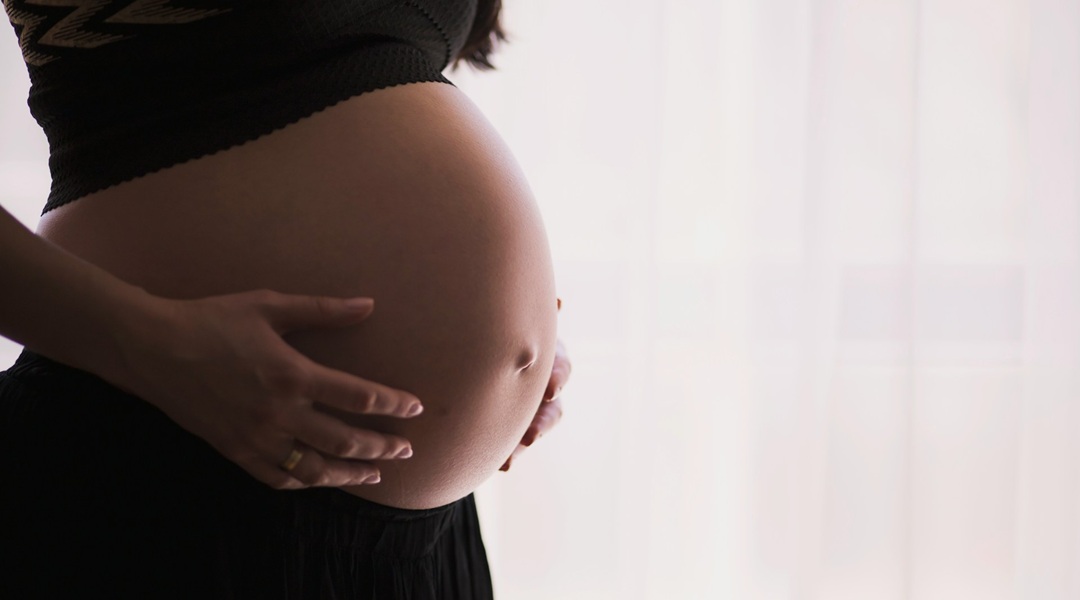
Injuries to the uterus due to viral infections or surgeries (including those from childbirth, miscarriage, and other medical procedures) can lead to a condition called intrauterine adhesions (IUA), also known as Ascherman’s syndrome. When this happens, scar tissue forms inside a woman’s uterus, sometimes causing the front and back walls to stick together. The result can be lighter or absent menstrual periods, pain, difficulty becoming pregnant, recurrent miscarriage, or other pregnancy complications.
Although Ascherman’s syndrome is relatively rare (1–5 per 10 000 women in the general population) and often underdiagnosed, the condition can have profound effects on fertility and quality of life.
Current approaches involve surgery to separate the uterine walls, but adhesions often reform after the procedure. “It is much like a wound that keeps scarring over,” says Professor Zhiyong Zhang from the Translational Research Centre of Regenerative Medicine and 3D Printing at the Guangzhou Medical University in Guangdong, People’s Republic of China. “Severe intrauterine adhesions are a major cause of infertility, yet the condition currently lacks a safe and effective treatment.”
Zhang and his team have developed a regenerative gel that can be injected directly into the uterine cavity to form a temporary healing environment at the site of injury, with the aim of regenerating the damaged tissue. “It works in two key ways,” says Zhang. “It acts as a physical barrier to prevent the uterine walls from sticking together, and it releases repair signals that help damaged tissue regenerate.”
The results of his work, recently published in Advanced Healthcare Materials, offer a fundamentally new therapeutic approach for infertility caused by uterine adhesions.
Restoring Uterine Tissue with Stem Cells
Previous studies have shown that mesenchymal stem cells (MSCs)—a type of adult, multipotent stem cell found in several tissues including bone marrow, adipose (fat) tissue, umbilical cord, and placenta—may support healing of the uterine lining. These cells appear to work by improving the local healing environment, encouraging the growth of new blood vessels and helping to control inflammation. Because of these effects, scientists have been exploring MSCs as a potentially promising way to treat intrauterine adhesions, although delivery to the specific tissue has been challenging.
Zhang and the team decided to build a regenerative gel using a clinical-grade, injectable fibrin hydrogel, Porcine Fibrin Sealant (PFS), to deliver MSCs derived from human umbilical cord. These MSCs were grown, replicated, and selected in the lab before incorporating them into the hydrogel. Looking at the PFS under the microscope, they saw a classical 3D interconnected porous network, indicating a favorable structure for cell migration, nutrient exchange, and tissue regeneration. After the addition of stem cells, the surface of the PFS-MSC hydrogel appeared slightly rougher than that of the PFS alone, but the embedded stem cells were clearly visible within the matrix and did not disrupt the overall porous architecture.
The scientists injected IUA-model animals with PFS (control) and PFS-MSC hydrogels and then assessed multiple markers of uterine repair. They observed that only the uterus treated with the PFS-MSC formulation achieved near-complete restoration of endometrial gland numbers and endometrial thickness, along with a marked reduction in fibrosis. “Our work shows that a regenerative agent delivered through local administration can repair the endometrium at its root,” says Zhang.
To examine whether uterine repair translated into functional recovery, the researchers assessed reproductive outcomes in treated animals. They found that PFS-MSC therapy markedly improved embryo implantation compared with controls. Also, in later stages of pregnancy (day 18), fetal development in treated uteri appeared comparable to that in healthy tissue. Most importantly, treatment with PFS-MSC hydrogels resulted in the birth of healthy rat offspring, indicating functional recovery of reproductive capacity.
From Stem Cells to Tiny Vesicles
The biggest surprise came when the scientists tested a cell-free combination of the hydrogel. Instead of embedding living stem cells into the PFS structure, they incorporated bioactive factors released by MSCs, which are believed to deliver repair signals. These are called extracellular vesicles (or EVs), which are lipid-bound particles naturally secreted by most cell types. They act as biological messengers, transporting proteins, RNA, and other biomolecules that can influence the behavior of surrounding cells and help coordinate tissue repair.
After treating IUA animals with PFS-MSCs or PFS-EVs, the results were surprisingly similar. “[EVs] achieved almost the same therapeutic effect as the mesenchymal stem cells themselves,” expresses Zhang. “The idea of turning a cell-based therapy into a cell-free product could significantly reduce the complexity and risk of future clinical use, and in doing so, make the treatment more accessible to a wider range of patients.”
Although extremely promising, no EV-based therapy has yet been approved for human use.
The field is advancing rapidly, but significant hurdles remain. One of the hardest to solve is ensuring batch consistency for large-scale manufacturing. Zhang does not lose hope, and says that the team will continue investigating to bring his technology to the clinic. “We now know that EVs can repair the injured uterus. But what exactly is inside? Which RNA or protein carries the key instructions? Once we find that, we can design a next-generation cell-free drug with greater precision, potency, and deliverability,” he says.
Zhang explains that the results of this work represent a shift in thinking from simply repairing the damaged structure to systemically rebuilding a healthy uterine environment. “Our gel could also be used as a preventive strategy after routine uterine surgeries,” he adds. “Applied immediately at the end of the procedure, it may help reduce the risk of adhesions reforming and promote the repair of the endometrium.”
Reference: Y. Zhang et al., An Injectable Clinical-Grade Fibrin Hydrogel Restores Fertility in Intrauterine Adhesions via MSC-Mediated Immune and Regenerative Modulation, Unlocking an Equivalent Cell-Free EV-Based Therapy, Advanced Healthcare Materials (2026), DOI: 10.1002/adhm.202504360
Featured Image Credit: freestocks via Unsplash