An “Eastern meets Western medicine” study reveals that tiny vesicles from the honeysuckle plant reduce colon inflammation and restore the balance between “good and bad” gut bacteria to protect the intestinal barrier in pre-clinical studies of Inflammatory Bowel Disease.
“The big-picture implication is the potential for a new class of natural, effective, and safe oral therapies for Inflammatory Bowel Disease. If this research continues to be successful, it could one day offer patients a treatment that manages their disease by restoring their body’s natural equilibrium, rather than just suppressing symptoms,” explains Xiaozhou Mou, professor at Hangzhou Medical College, China, and author of this research.
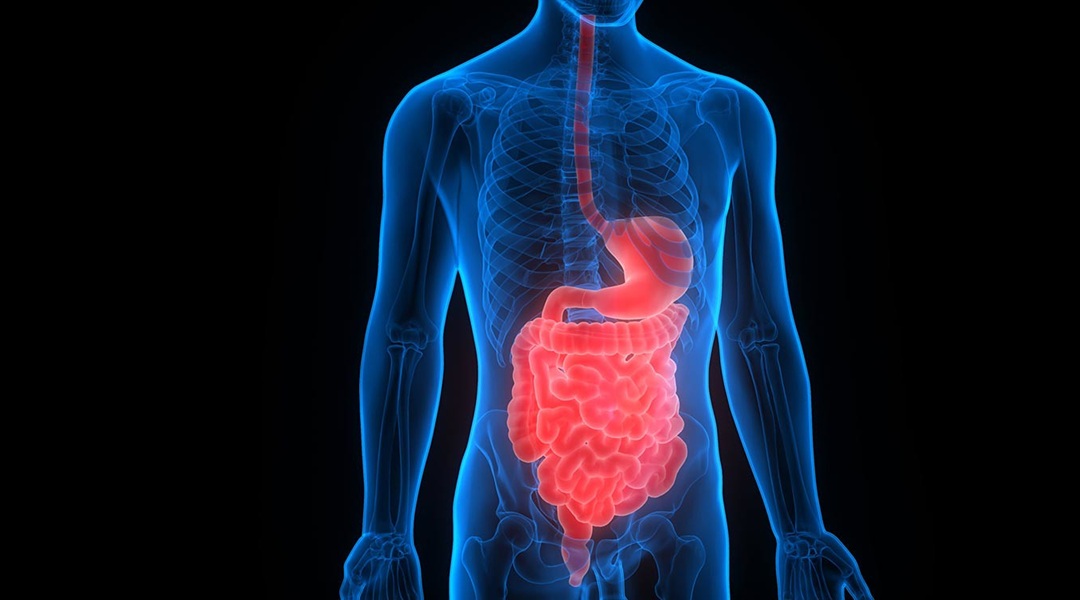
Inflammatory Bowel Disease, marked by excessive intestinal inflammation, affects a patient’s quality of life and puts them at greater risk of colorectal cancer. This condition includes Chrohn’s disease and ulcerative colitis, where patients experience abdominal pain, diarrhoea and weight loss.
A shift in the gut microbiome
In 2019, approximately 5 million people suffered from Inflammatory Bowel Disease. Since then, the prevalence has increased in emerging industrialized countries like China and India because of a westernization of the diet and lifestyle, with more processed fatty foods being eaten.
“This shift can negatively impact the community of bacteria living in our gut, known as the gut microbiome,” Mou explains. Since these bacteria are crucial for training our immune system and maintaining a healthy gut barrier, these dietary changes are thought to be a major driver in the rising number of Inflammatory Bowel Disease cases.”
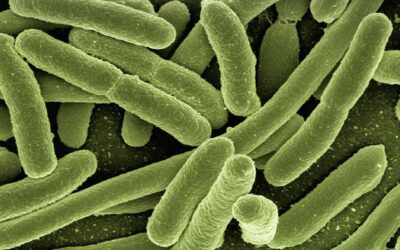
Our gut is colonized by trillions of bacteria made up of more than 3000 species, which contain more genes than the number of genes in our own cells. In Inflammatory Bowel Disease, there is less diversity of bacteria taxa and a shift away from beneficial ones such as Bacteroides and Firmicutes. These two taxa are major players in food metabolism, enabling nutrients for absorption and producing metabolites that mediate immune responses and help maintain the intestine barrier.
It is therefore unsurprising that a change in the type of bacteria alters the metabolites they produce, and this disruption leads to the death of intestinal epithelial cells and destruction of the intestine barrier.
Tiny but mighty
Current treatments for Inflammatory Bowel Disease, such as immunosuppressants, can leave the patient vulnerable to infections, and anti-inflammatory drugs and biologics (proteins derived from culture or blood) do not fully relieve symptoms and also have adverse side effects. With increasing global prevalence and unsatisfactory treatments there is an immediate need for effective alternatives.
Mou’s research group is addressing this unmet clinical need where in China, honeysuckle has reportedly been used in herbal treatments for gastrointestinal ailments for centuries.
“Our approach is unique because we are using the entire “communication package” that the plant produces — the nanovesicles,” Mou remarks. “These vesicles are designed by nature to protect and deliver a complex cocktail of beneficial molecules (like RNAs, lipids, and metabolites) directly to cells.”
These nano-sized vesicles extracted from the honeysuckle plant have an outer lipid bilayer, and a watery interior loaded with bioactive compounds that elicit important cellular functions. They pack a punch, with studies confirming their anti-inflammatory, immune-enhancing, anti-bacterial and fever reducing abilities.
Wanting to assess their therapeutic potential, the scientists treated mice in an experimental model of Inflammatory Bowel Disease and compared results to controls: the honeysuckle extract reduced inflammatory cytokines (protein messengers) and the number of immune cells accumulating in the gut to alleviate the inflammatory insult and protect the intestinal barrier.
These anti-inflammatory effects are exerted in part by the ability of vesicles to actively restore the balance between “good and bad” gut bacteria and, in doing so, to treat the root of the problem. This rebalances the proportion of different T-cells (immune cells) to favour an anti-inflammatory state, steering away from the autoimmunity seen in Inflammatory Bowel Disease. Typical symptoms such as diarrhoea and weight loss also improved in the mice treated with honeysuckle.
Unexpected findings and what the future may hold
Faecal microbiota transfer (FMT), where faecal matter from a healthy person is transferred to a patient to reinstate the balance between “good and bad” gut bacteria, is a treatment for gastrointestinal tract diseases such as Inflammatory Bowel Disease. The team tested whether faecal matter from honeysuckle-treated mice could improve symptoms and pathophysiological markers in untreated mice with a depleted gut microbiota. Their findings confirmed the benefits of honeysuckle vesicles in alleviating weight loss and improving gut tissue lesions in disease.
However, during the process, something unexpected was found.
The scientists discovered that the faecal matter suspension they heat activated (to remove live bacteria) was more effective than the faecal matter with live bacteria. This challenges the status quo that live bacteria is needed for FMT to be therapeutic.
“This could lead to a new type of treatment—a standardized, pill-based therapy derived from these beneficial microbial molecules—that is safer, more consistent, and easier to administer than current FMT procedures,” Mou notes.
Despite progress in determining the mechanisms underlying honeysuckle therapeutics, we still do not know which bioactive compounds are responsible or fully understand all their downstream effects. Next, Mou says they want to answer the “How”: how do honeysuckle-derived vesicles reduce inflammation, and what mechanisms underly its therapeutic effects?
“We also want to understand precisely how these vesicles are taken up by human gut cells,” he adds.
If this research continues to be successful, the team hopes it will lead to clinical trials in humans and one day offer Inflammatory Bowel Disease patients an effective natural therapy. It may also be the catalyst for exploring the therapeutic benefits of nanovesicles from medicinal plants in other diseases.
References:
Y. Wang et al., Honeysuckle-Derived Nanovesicles Regulate Gut Microbiota for the Treatment of Inflammatory Bowel Disease, Advanced Science (2025), DOI: 10.1002/advs.202505208
E. Rosenberg, Diversity of bacteria within the human gut and its contribution to the functional unity of holobionts, npj Biofilms and Microbiomes (2024), DOI: 10.1038/s41522-024-00580-y
H. Zafar and M. H. Saier Jr, Gut Bacteroides species in health and disease, Gut Microbes (2021), DOI: 10.1080/19490976.2020.1848158
Featured image credit: adapted (cropped) from Donald Weitz via Pixabay, CC BY-SA 2.0