Scientists convert harmful microplastics into valuable graphene using plasma, offering a promising solution for this type of pollution.
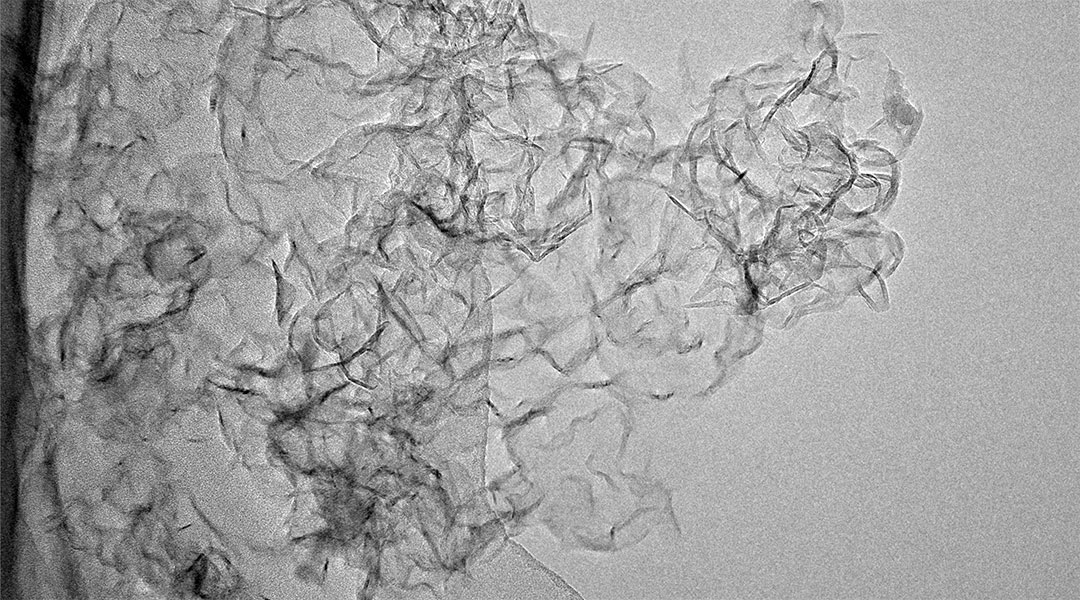

Scientists convert harmful microplastics into valuable graphene using plasma, offering a promising solution for this type of pollution.
Just like our gut has helpful microbes, so too does the soil around plant roots. But what happens when antibiotics disrupt this balance?
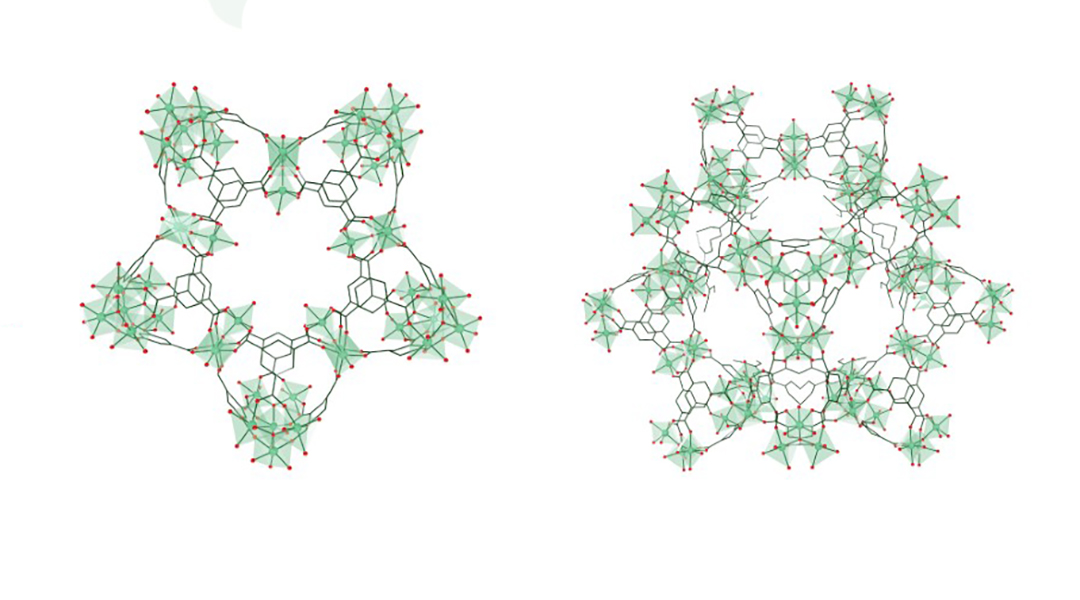
A new material converts NOx environmental pollutants into harmless byproducts without the need for any heat.
There is an urgent need to replace fossil-derived plastics with biodegradable alternatives but do they solve microplastics’ health issues?

Greenhouse gas emissions are warming up the planet and scientists are turning their eyes to the sky to better track them down.
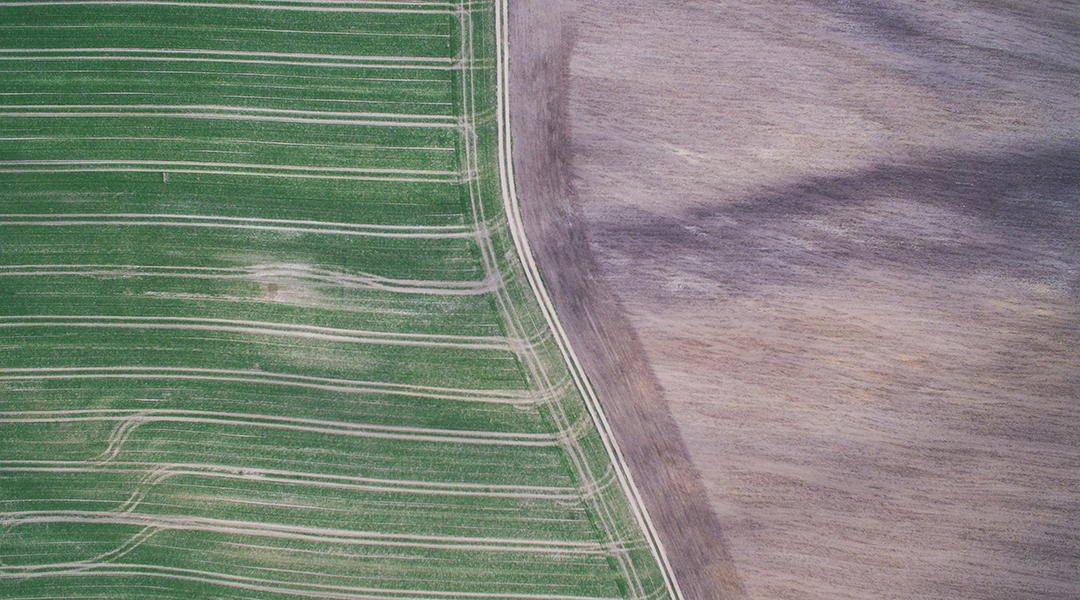
Traditional means farmers used to use for seed selection and preservation may help us cultivate more resilient food in a changing climate.
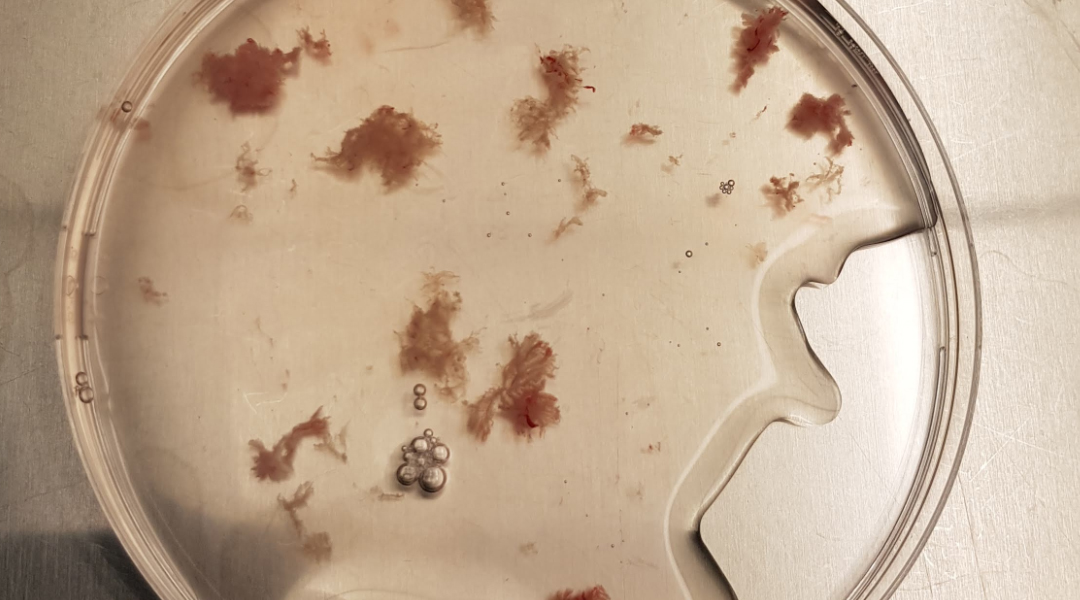
Nanoparticles disrupted the placenta’s secretion of biomolecules essential for blood vessel growth, hormone production, and immune function.
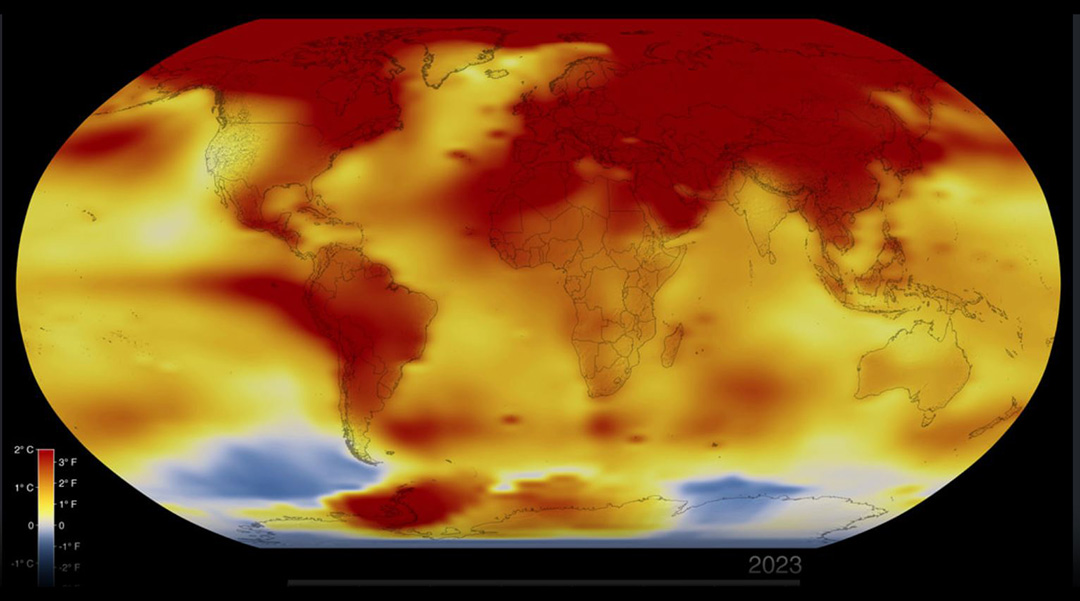
Global warming caused by human action has continued to increase, even though climate action has slowed the rise in greenhouse gas emissions.
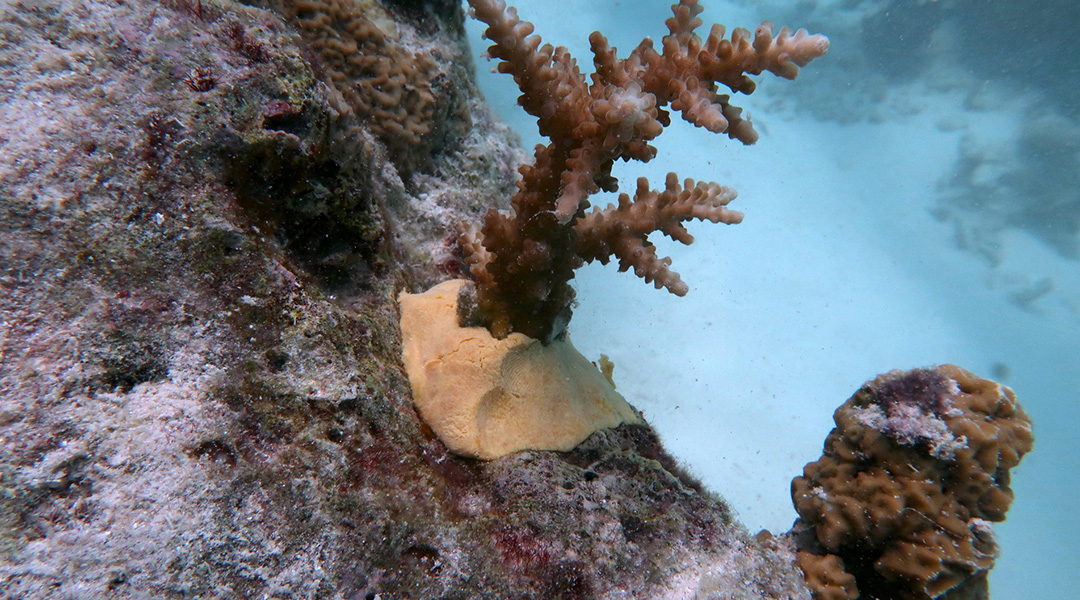
This ocean-safe putty was designed to help seed new coral reefs, offering a much-needed replacement for hardware store products.

Scientists find evidence that nature boosts healthy food choices, revealing nature’s pivotal role in shaping positive dietary habits.
 New theory suggests gravity is not a fundamental force
 French WEST reactor breaks record in nuclear fusion
 Quantum entanglement visualized for the first time ever
 Higgs boson may be driving the Universe’s expansion
 An anti-inflammatory peptide may hold the key to low-back pain relief
 Could a nuclear explosion set Earth’s atmosphere on fire?
 Black hole images deliver a deathblow to alternative theory of gravity
 The Road to Better Presentation of Data: The Do’s and Don’ts
 The dramatic story behind general relativity’s Nobel Prize snub
 Researchers replicate gravitational lensing in the lab