Exploring the interface between classical and quantum physics and where it breaks down to provide answers for some long-standing mysteries.


Exploring the interface between classical and quantum physics and where it breaks down to provide answers for some long-standing mysteries.
It’s looking less and less likely that the Hubble tension is a result of observational errors.

Scientists investigate the synergy of entanglement and curved spacetime in advancing quantum radar technology for precise distance measurement.
The mysterious phenomenon that Einstein once described as “spooky action at a distance” was seen as a wavefunction between two entangled photons.

First predicted in 1956, scientists have stumbled upon a massless, neutral particle that does not interact with light, colloquially named the “demon particle”.
Enhanced experimental precision has the potential to either confirm or dispel uncertainties surrounding the Standard Model of Physics.
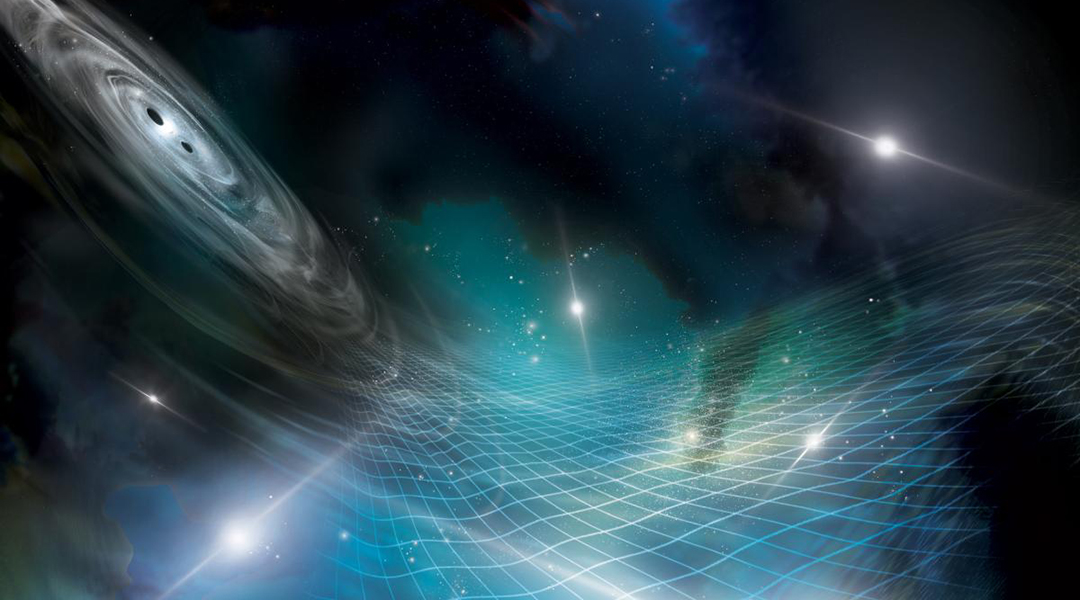
The universe is ringing with gravity, but humanity is only just beginning to hear the nuance of this cosmic symphony.

Manipulating light on the nanoscale allows scientists to create specific structural colors that do away with the need for potentially harmful dyes.

Promising candidates for efficient future electronics, researchers are exploring these exotic materials for better computer memory, hard drives, even quantum computers.
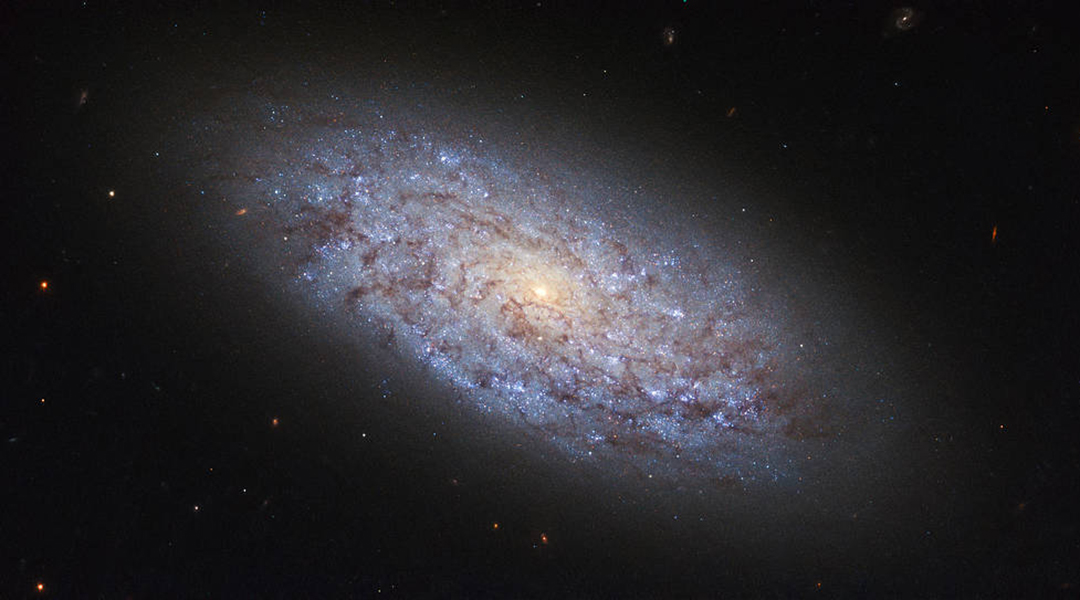
Using the galactic glow of dwarf galaxies, researchers investigate a hypothetical particle called an axion as a possible contender for dark matter.
 Micron-sized hidden dimensions could solve two of physics’ deepest puzzles
 Turning Periods into Power: Menstrual Blood a Valuable Resource for Medical Diagnostics
 Surfactants Steer Supraparticle Structure
 Bone loss in obesity traced to gut microbiota
 Edible electronics realize safe, complex monitoring devices
 Fermilab Confirms Muon g-2 Measurements