A molecule emitted by rainforest plants plays a key role in forming mysterious aerosol particles in the region’s upper troposphere.
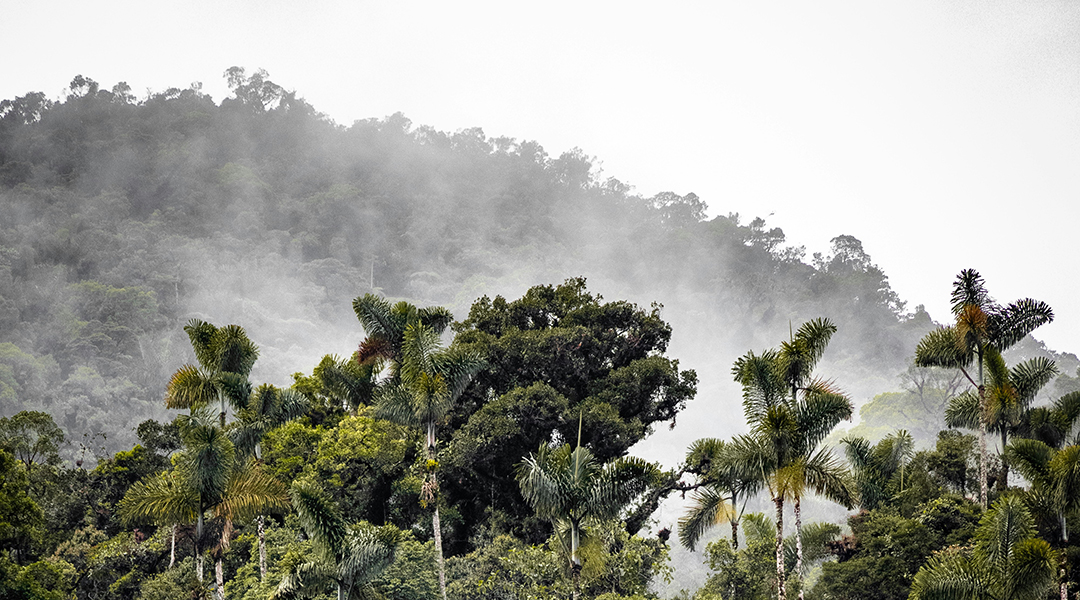

A molecule emitted by rainforest plants plays a key role in forming mysterious aerosol particles in the region’s upper troposphere.
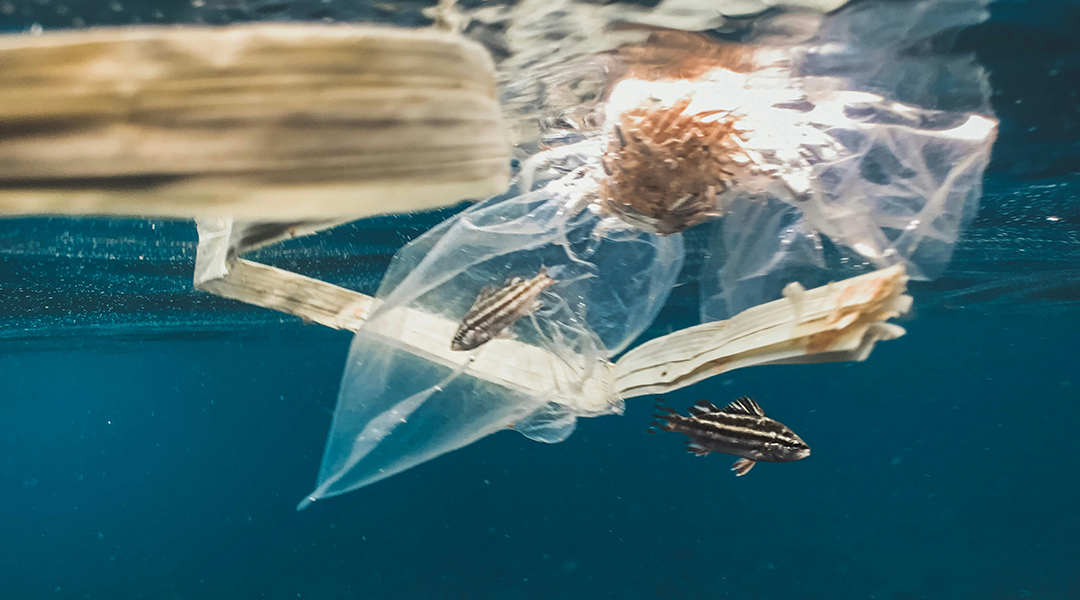
A new material designed to dissolve only in salt water could help us prevent the accumulation of microplastics in the seas.
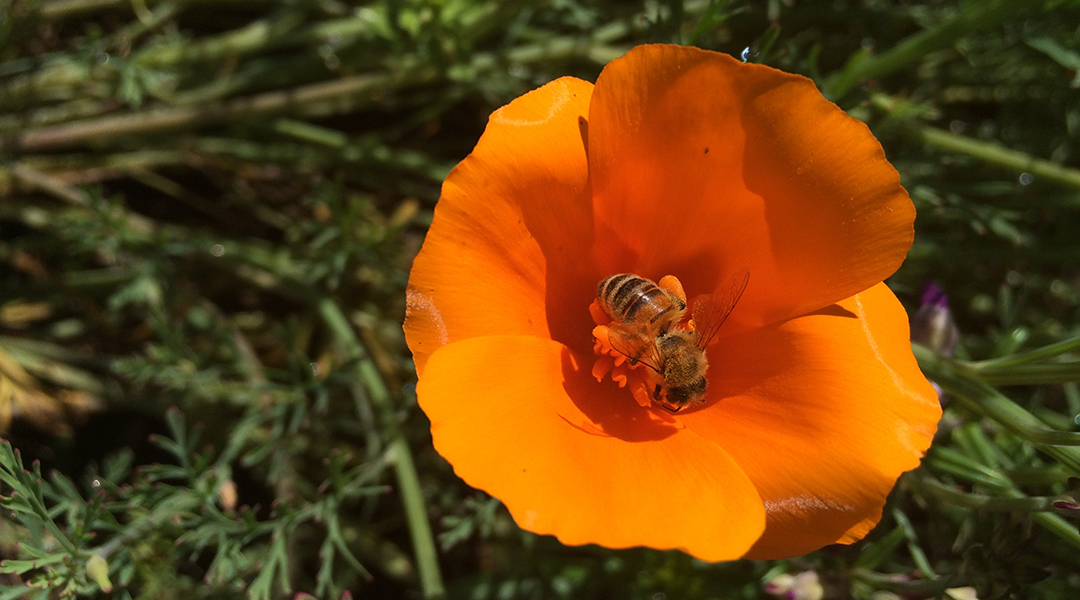
Honey bees compete with wild bees for resources in croplands, but nutritious wildflower plantings can mitigate these effects.
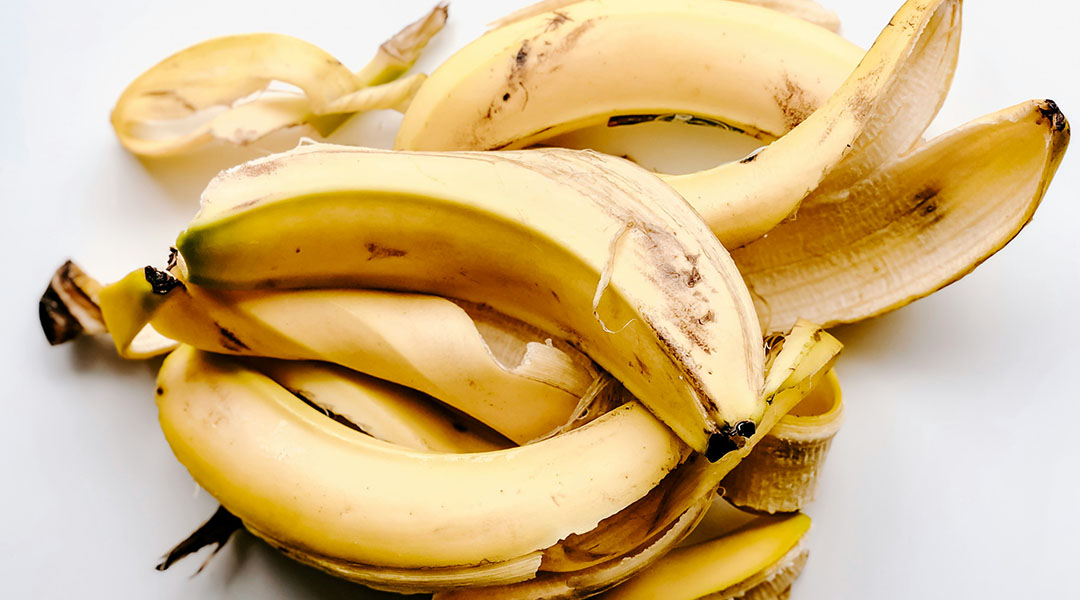
Researchers develop a device that generates clean energy from food waste, using banana peels and coconuts to power communities sustainably.

Pathogenic bioaerosols detected at household garbage collection sites may contribute to vascular aging with high chronic exposure.
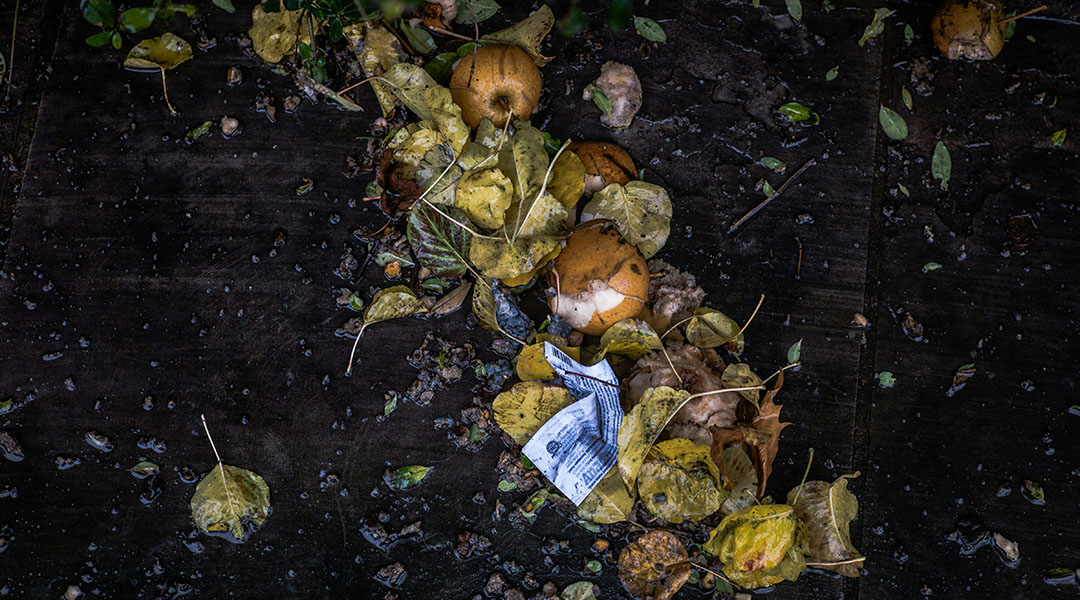
In the future, small electronics could be powered by fallen leaves, shed fur, and other waste materials found in nature.
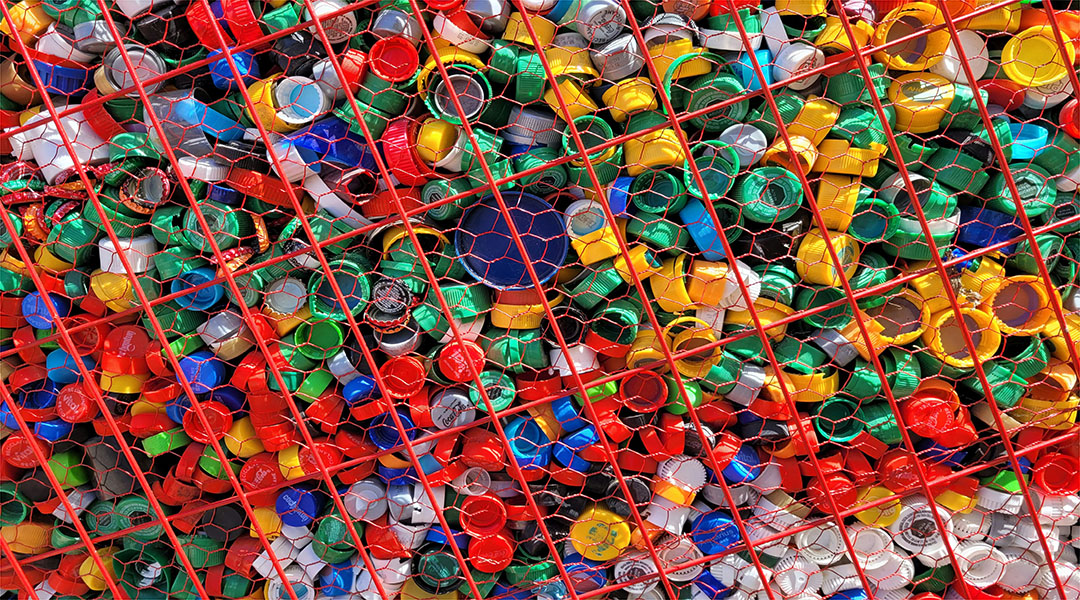
A common bacteria found growing on plastic in urban wastewater could provide new bioengineering solutions to clean up plastic waste.
As valuable resources dwindle and environmental risks loom, reducing our dependence on traditional agriculture is becoming necessary.
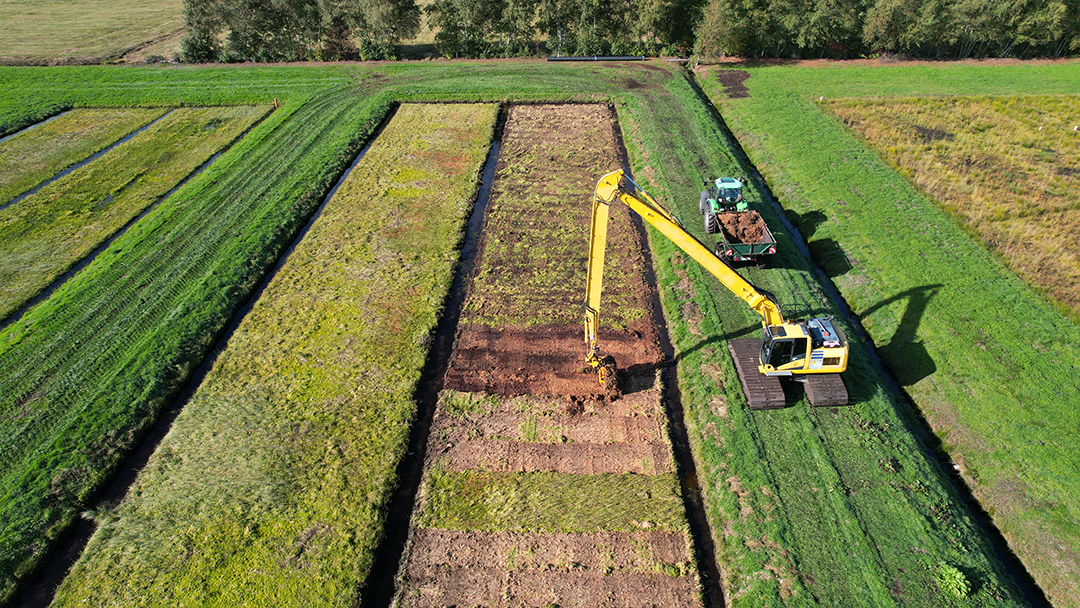
Scientists are reviving lost wetlands using paludiculture, blending ecology and economy to combat climate change and restore biodiversity.
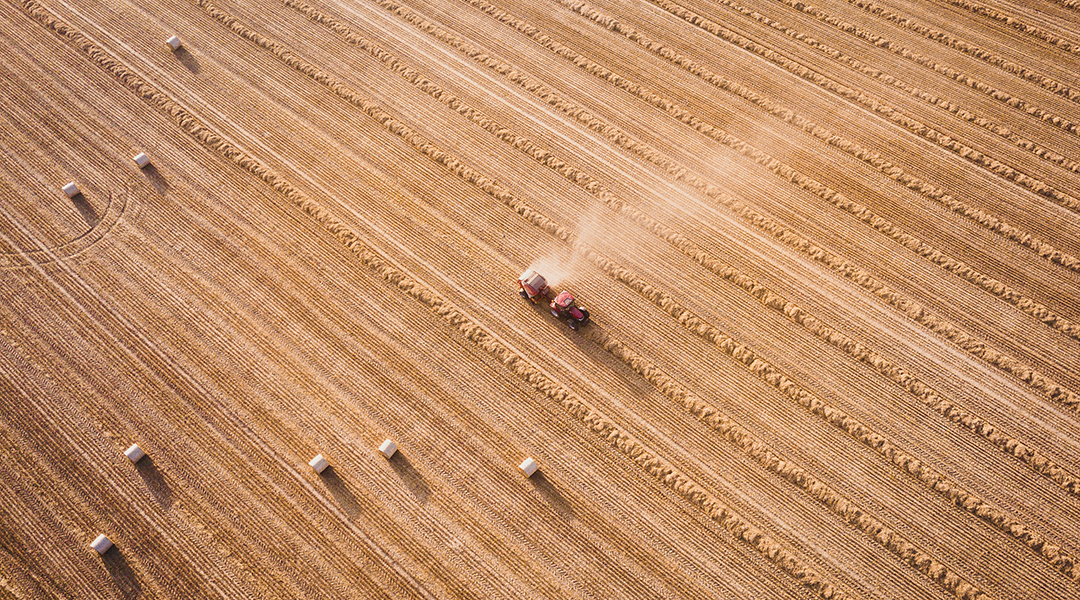
Combining agriculture with solar energy, agrivoltaics offers a promising solution to reduce carbon emissions while boosting food production.
 New theory suggests gravity is not a fundamental force
 Higgs boson may be driving the Universe’s expansion
 Water-powered gadgets may be on the horizon thanks to new evaporation-based energy device
 Scientists discover a new class of antibiotics
 Micron-sized hidden dimensions could solve two of physics’ deepest puzzles
 A new type of dark matter could explain mysterious radiation from the Milky Way’s core