Ammonia fertilizer could be produced underground, using Earth’s natural heat to significantly reduce the industry’s carbon footprint.


Ammonia fertilizer could be produced underground, using Earth’s natural heat to significantly reduce the industry’s carbon footprint.
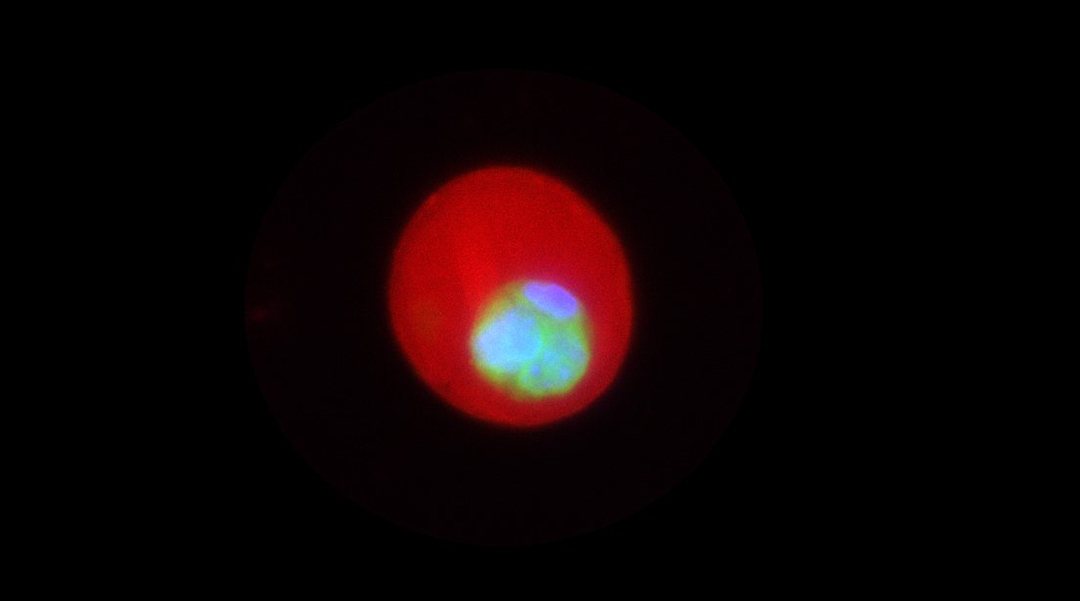
A new 3D cell culture allows researchers to study how mechanical pressure influences stem cells for regenerative medicine and cell therapy.

Once disruptive, phonons now improve quantum dots’ behavior, making them more reliable for quantum communication and cryptography.
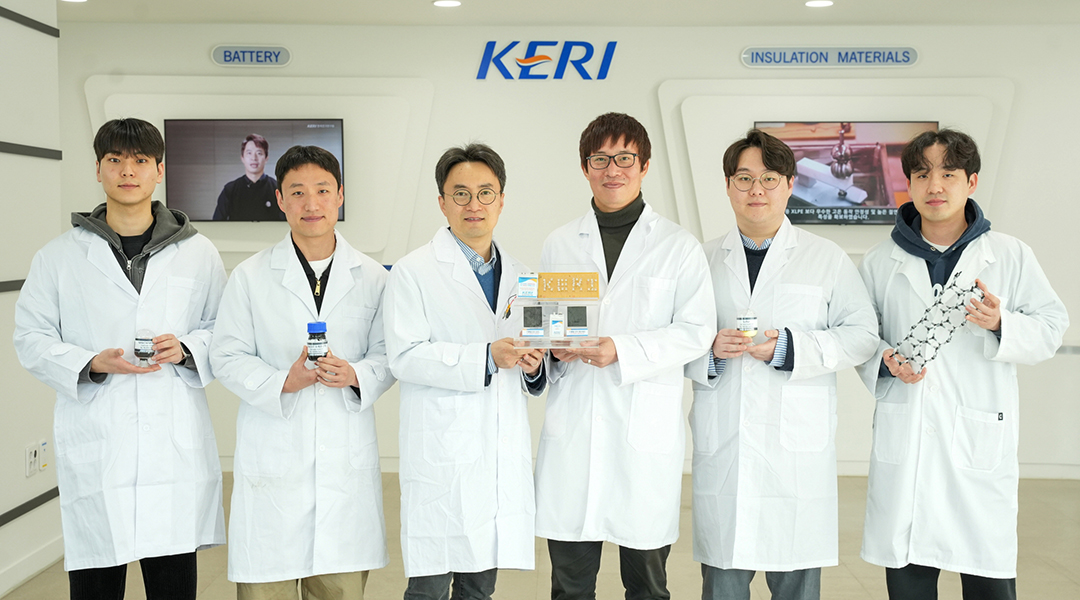
A new battery design could overcome obstacles to making batteries with more energy storage capacity and a lower environmental footprint.
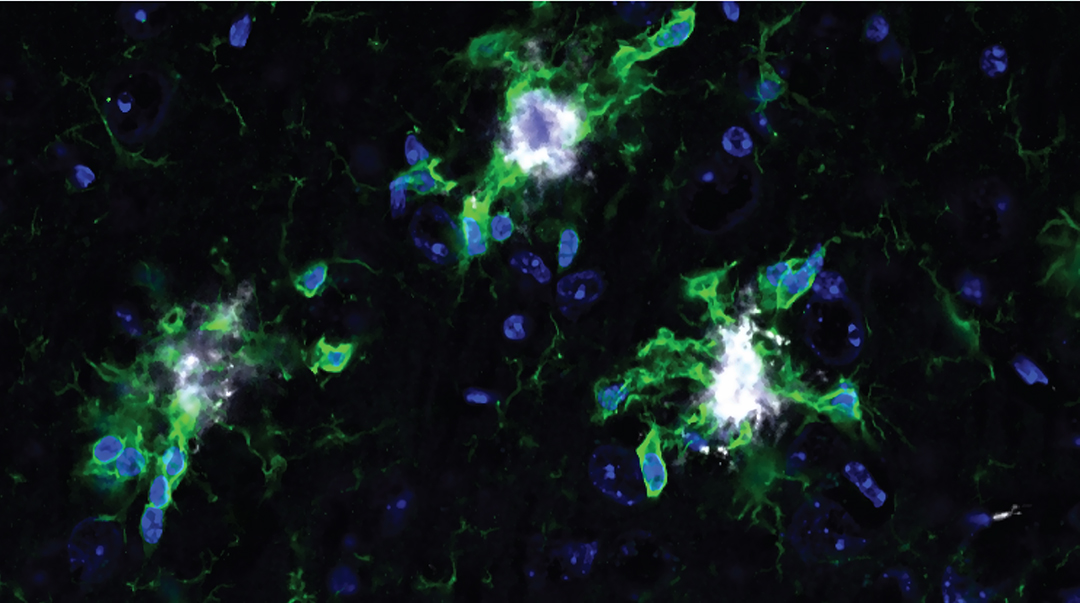
Inhaled xenon gas reduced neuroinflammation, brain atrophy, and boosted protective neurons in mouse models of Alzheimer’s.

Scientists find predator-prey-like interactions in spinning particles, challenging physics and opening doors for quantum tech.
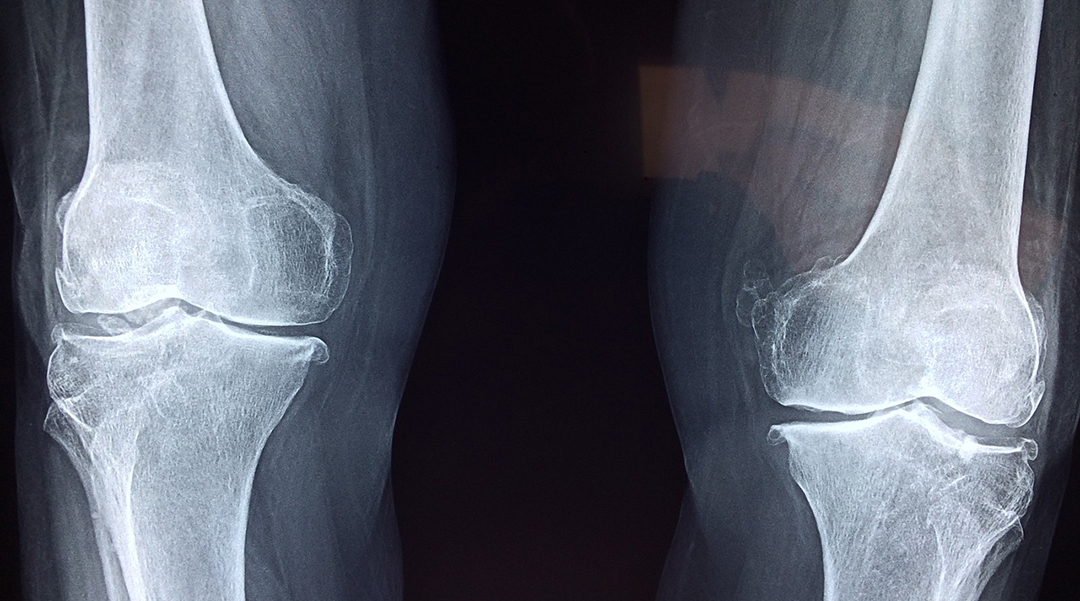
Bone implants integrate better with the body when they mimic the natural handiness of molecules that make up our bones.
BENEIN is a computer network that can identify the master regulators that cause normal cells to go cancerous.
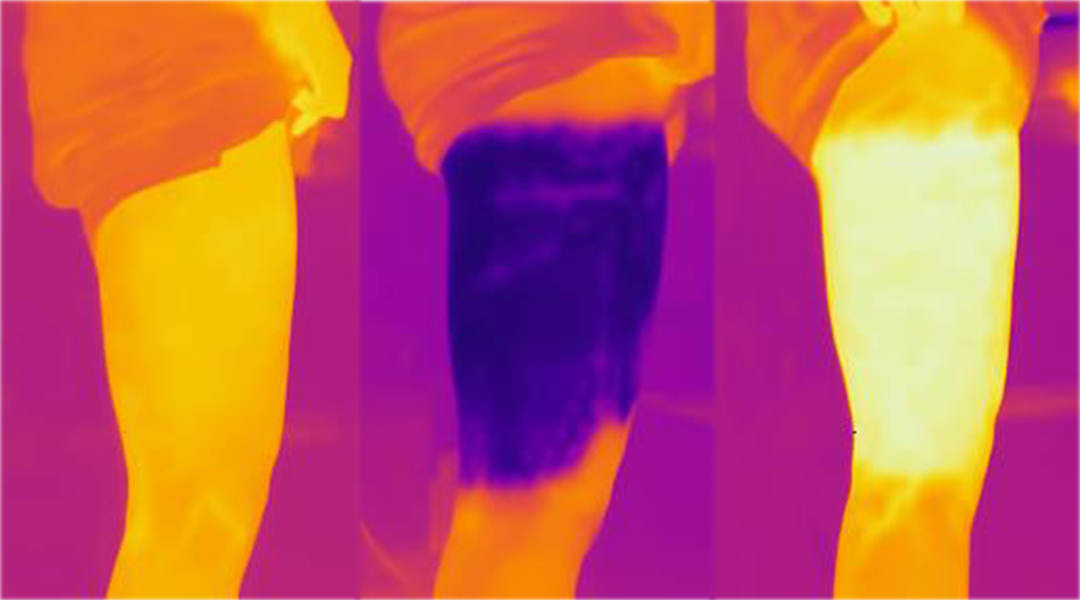
The fluidic wearable device is less wasteful when it comes to water, but equally effective alternative to water immersion therapy.

Linking string theory with observations, frozen stars shed new light on black holes and the clash between quantum mechanics and relativity.
 New theory suggests gravity is not a fundamental force
 French WEST reactor breaks record in nuclear fusion
 Higgs boson may be driving the Universe’s expansion
 Researchers replicate gravitational lensing in the lab
 Water-powered gadgets may be on the horizon thanks to new evaporation-based energy device
 Cold shock from ice baths leads to stronger cells