Incorporation of nanomaterials within hydrogels has great potential, as a simple approach, to generate multifunctional scaffolds with unprecedent biological, mechanical, and electrical properties.
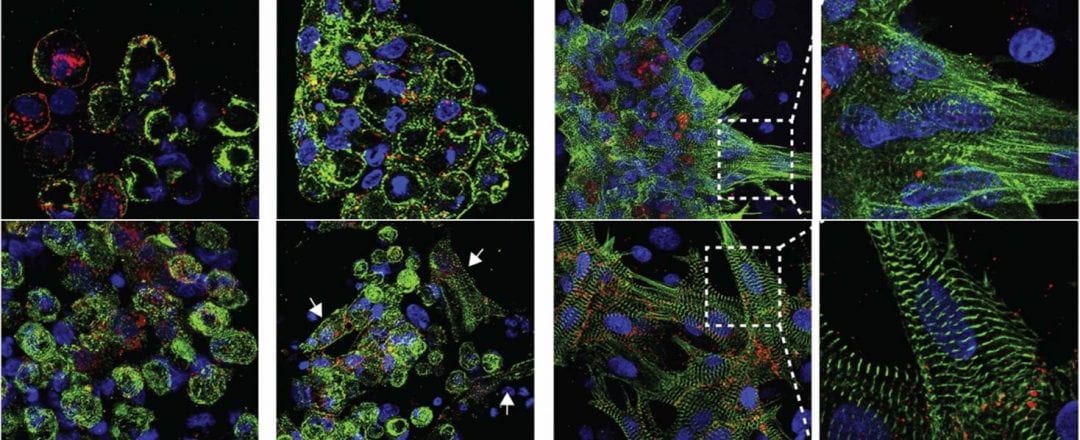

Incorporation of nanomaterials within hydrogels has great potential, as a simple approach, to generate multifunctional scaffolds with unprecedent biological, mechanical, and electrical properties.
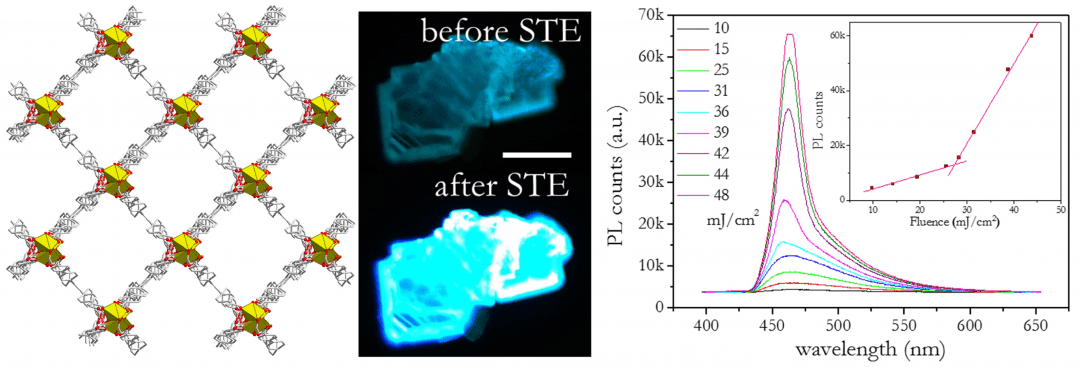
An international team suggest that coordination network materials, in particular MOFs, will be a useful platform for low-threshold lasers for diverse applications.
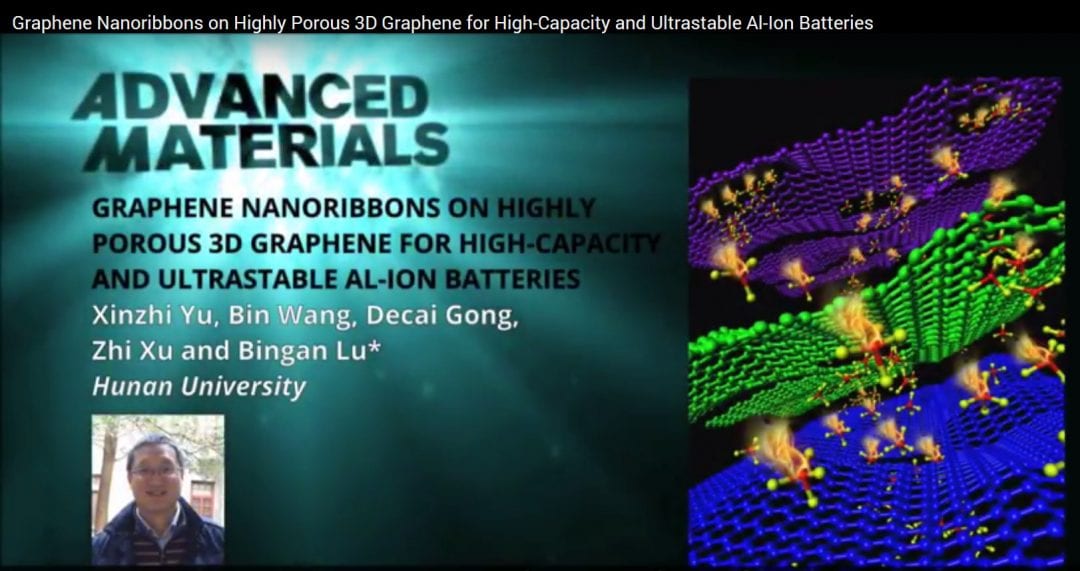
Get to know a highly porous 3D graphene foam as a binder-free cathode material for high-capacity Al-ion batteries.

Co3O4 is emerging as favorable candidate for application in pseudocapacitors due to its low cost, super-high theoretical capacitance (3560 F/g), and great reversibility. Now, even more with substantially enhanced specific capacitance and cycling stability achieved by surface modification.
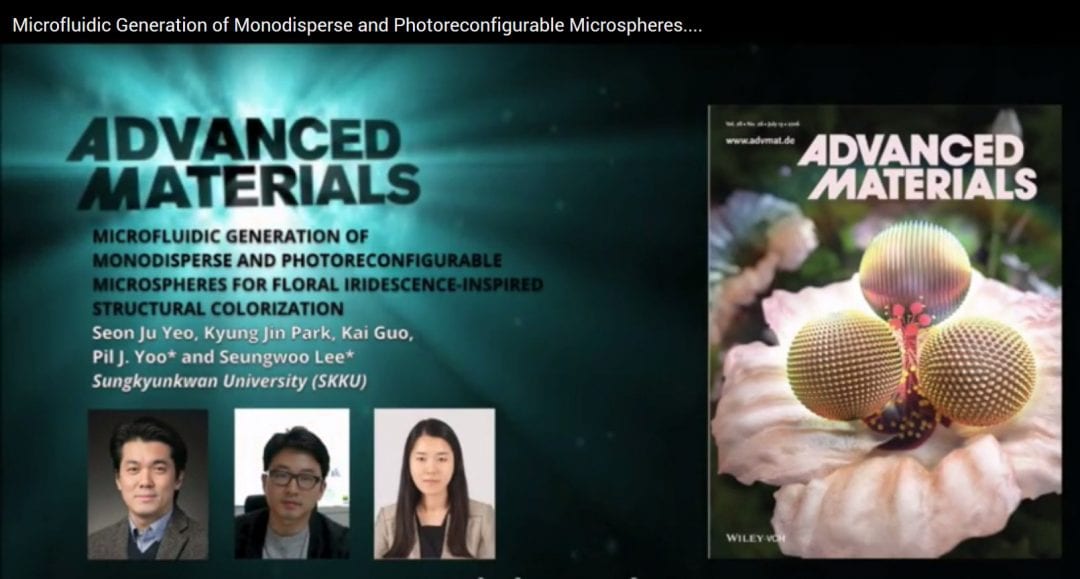
The color produced by microscopically structured surfaces can be controlled by with the microfluidic preparation of monodisperse photoreconfigurable microspheres.

Researchers from Singapore, China and USA have recently reported in Advanced Materials the first example of a TENG-based self-powered iDDS, and demonstrate its functionality in ocular drug delivery.

Learn about the development solid proton conductive materials by water adsorption to glassy bicontinuous cubic liquid crystals.
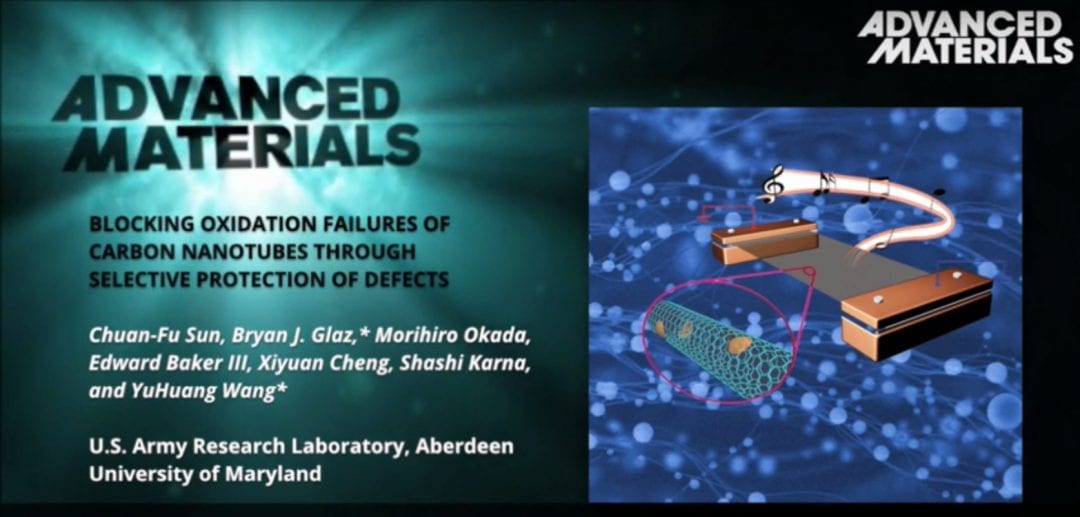
Learn about how to block oxidation failure in carbon nanotubes for application in thermoacoustic devices.
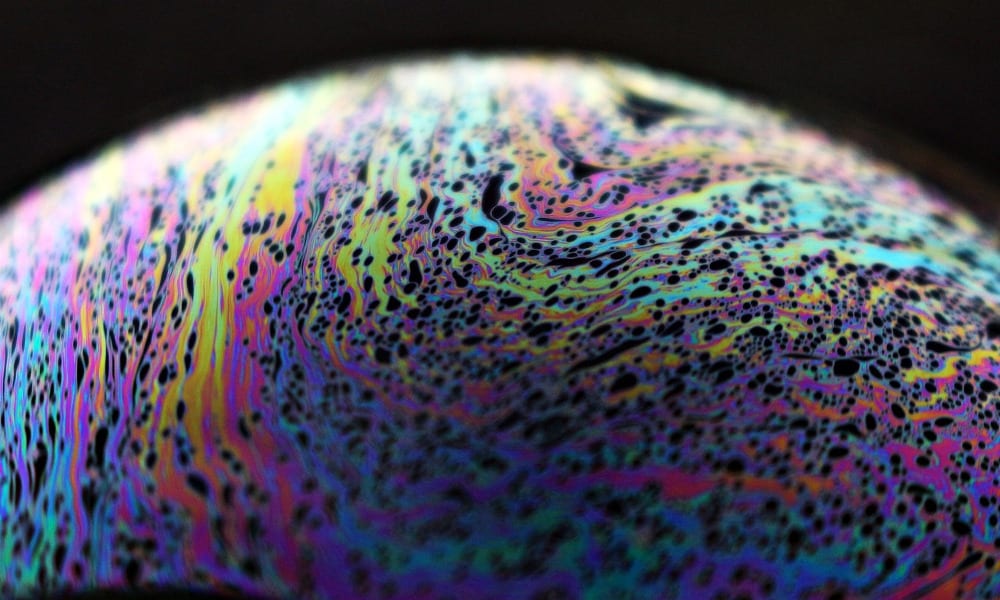
Metal-organic porous gels are novel materials for cleaning up oil spills.
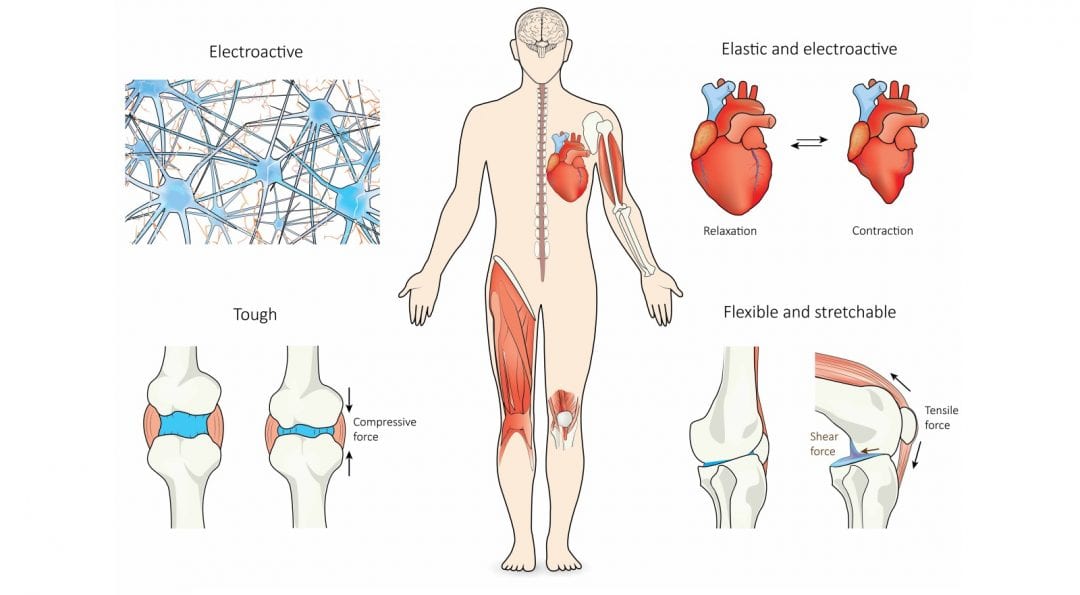
Recent advances in the fabrication and application of nanocomposite hydrogels for load-bearing and electroactive tissue replacement.

 Micron-sized hidden dimensions could solve two of physics’ deepest puzzles
 Turning Periods into Power: Menstrual Blood a Valuable Resource for Medical Diagnostics
 Surfactants Steer Supraparticle Structure
 Bone loss in obesity traced to gut microbiota
 Edible electronics realize safe, complex monitoring devices
 Fermilab Confirms Muon g-2 Measurements