Bacterial biofactories embedded in the rim of the lens continually produce hyaluronic acid, a natural lubricant, to keep the contacts moist.
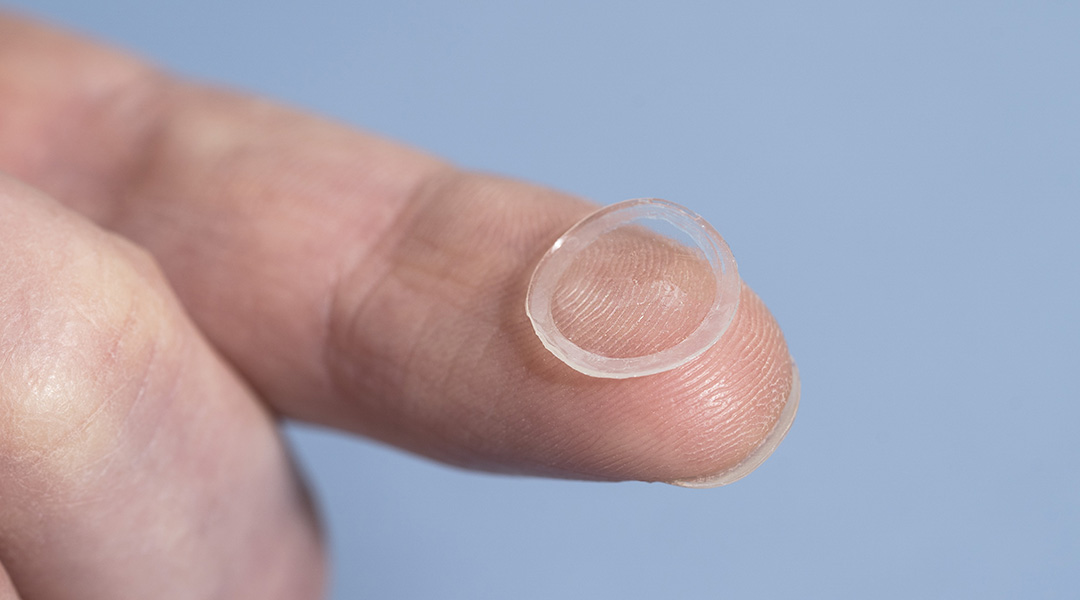

Bacterial biofactories embedded in the rim of the lens continually produce hyaluronic acid, a natural lubricant, to keep the contacts moist.
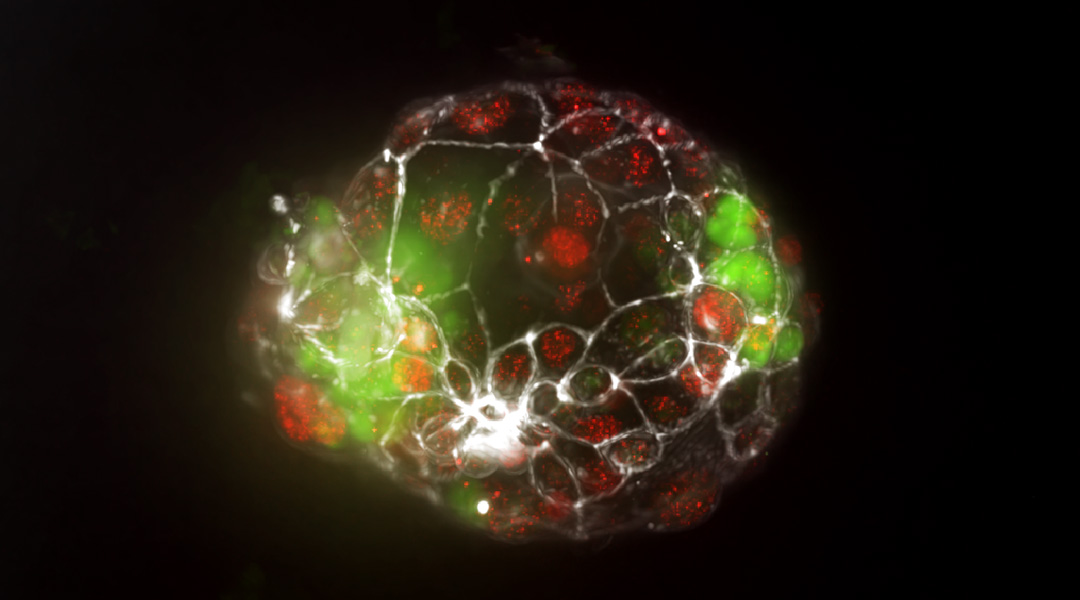
A new organ-on-a-chip model allows researchers to study the splitting of the embryo during pregnancy for the first time.
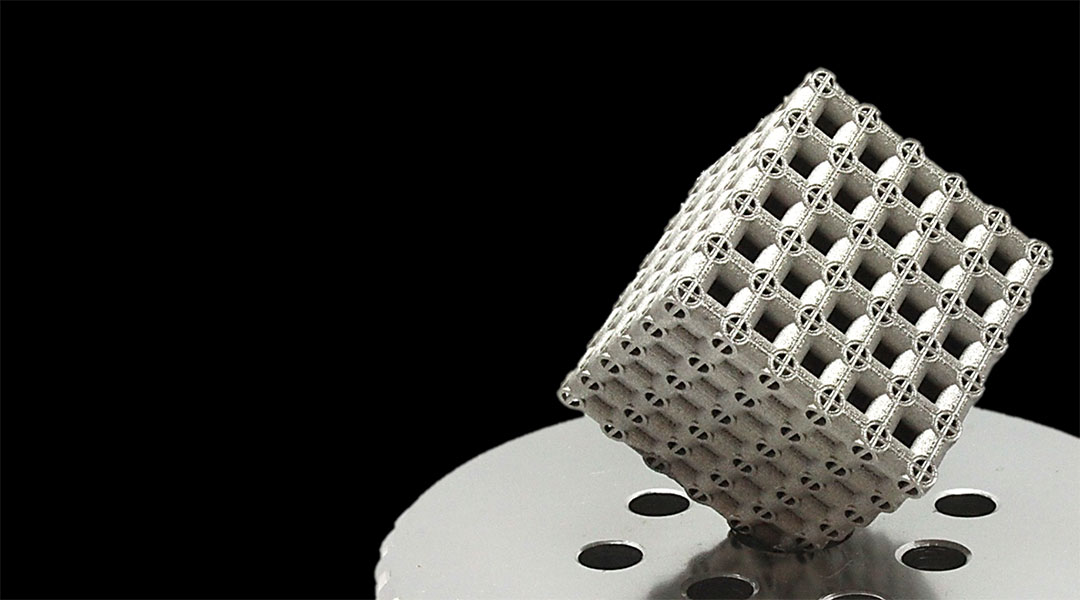
A groundbreaking titanium metamaterial with unparalleled strength and versatility could revolutionize manufacturing and high-speed aviation.
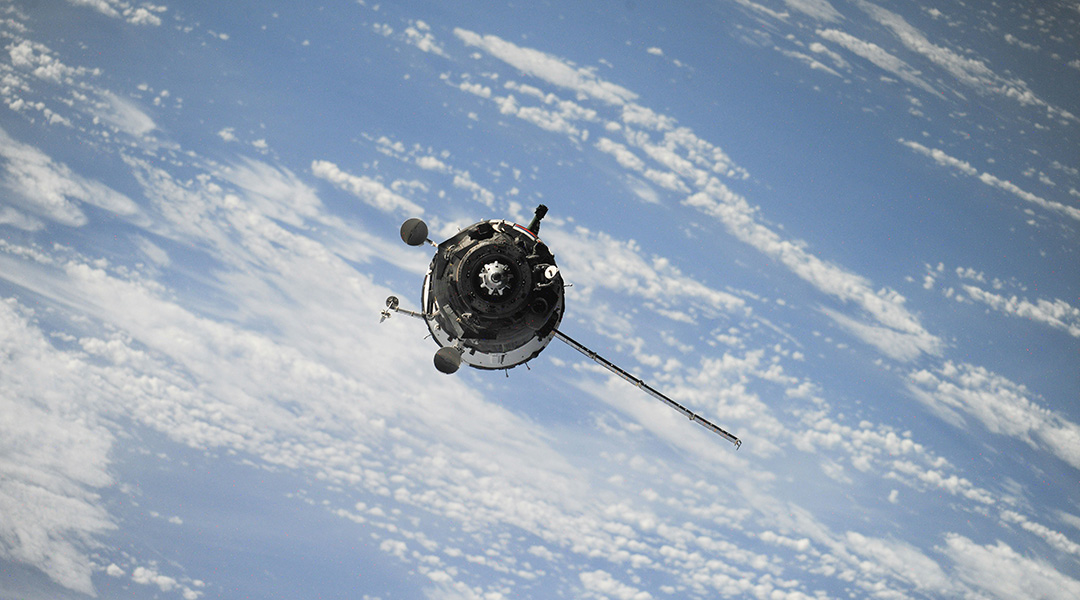
To develop medical treatments in space, scientists first need to understand how the body behaves in this foreign environment.
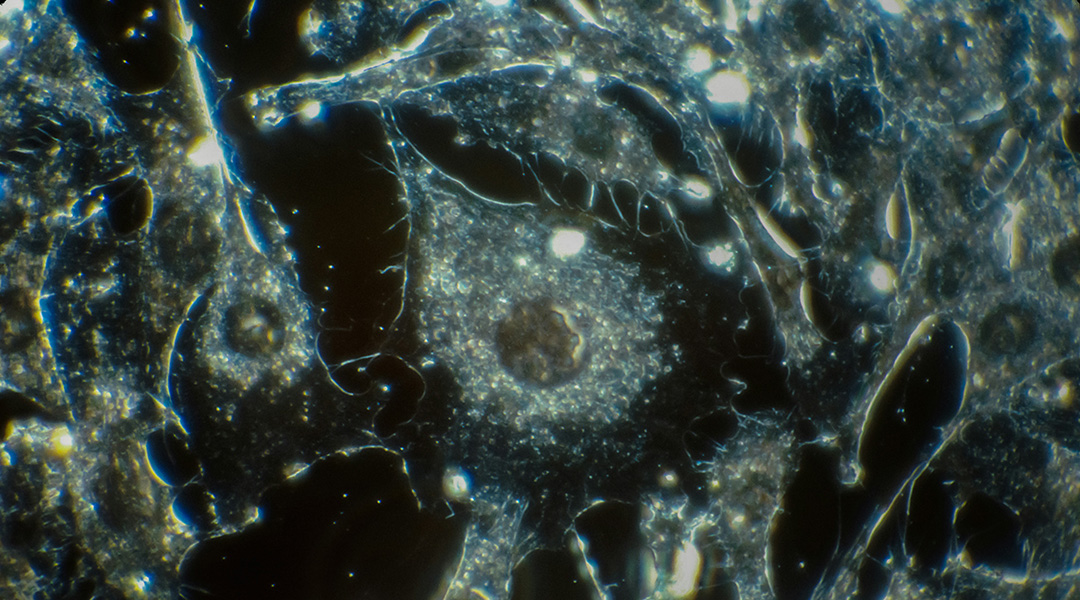
Mechanical therapy physically breaks down cancer cells and could help overcome the problem of treatment resistance.
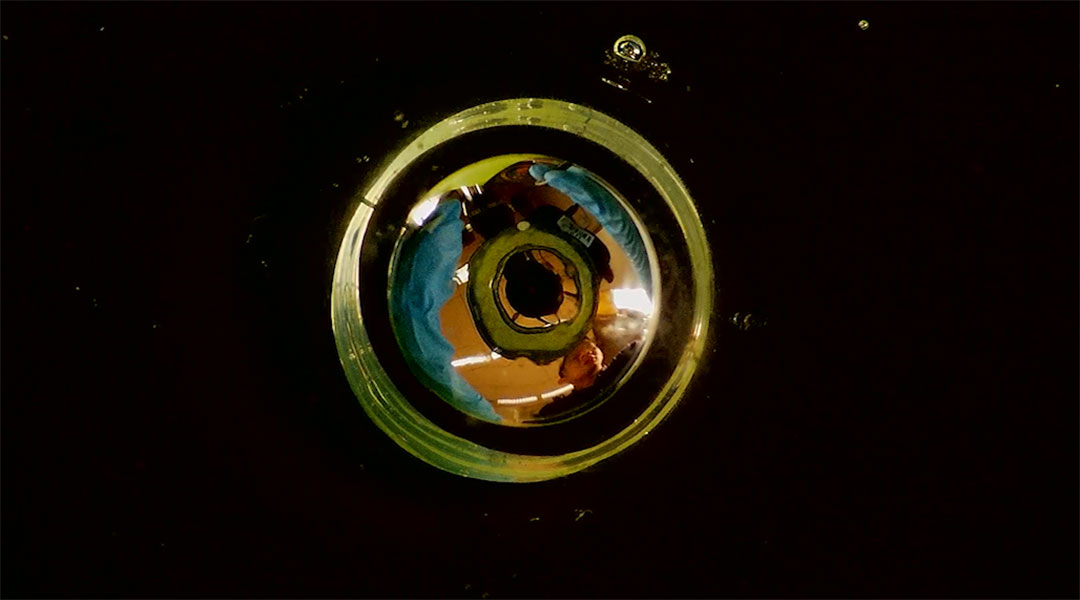
Turns out, liquid metals offer an unconventional approach to creating fully flexible memory storage devices inspired by the brain.
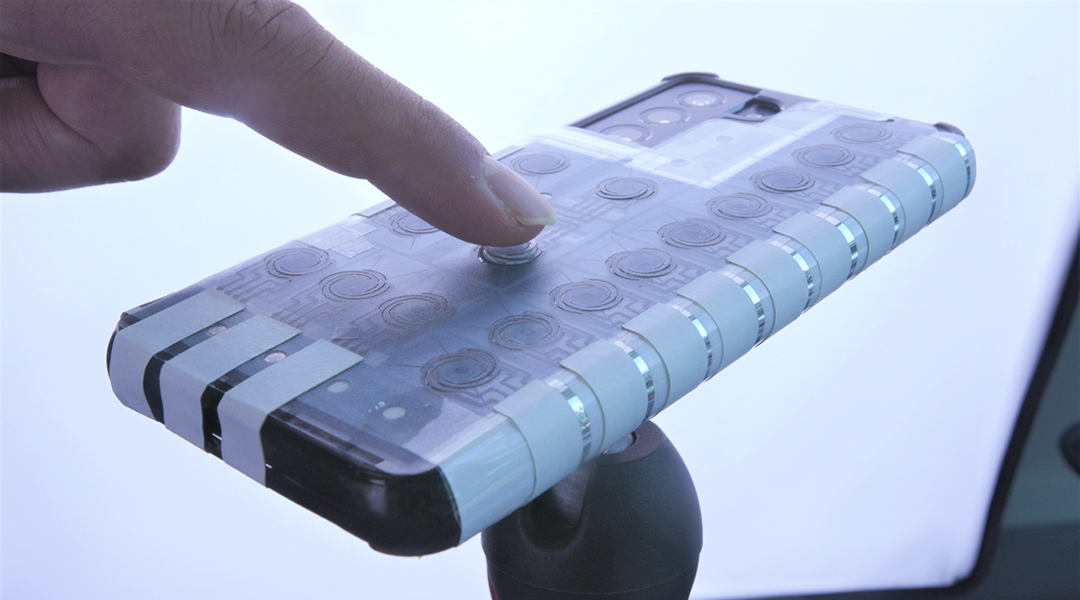
PopTouch blends transparency and touch, bringing traditional tactile buttons to a world of flat screens and smooth surfaces.
New research aims to improve the stability and safety of alternatives to rechargeable lithium-ion batteries using aqueous zinc and hydrogels.
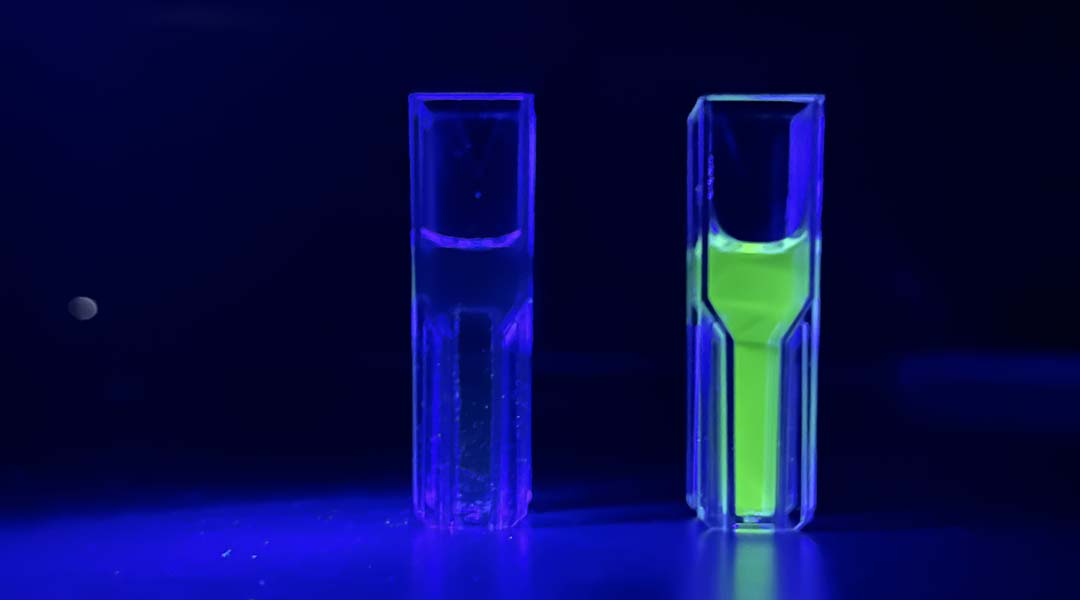
Analyzing biomolecules found in the breath, scientists can detect early signs of deadly blood clots found in diseases like COVID-19, heart disease, sepsis, and more.

This cost-effective solar evaporation device could supplant lengthy and expensive filtration systems normally used in wastewater treatment.
 New theory suggests gravity is not a fundamental force
 French WEST reactor breaks record in nuclear fusion
 Quantum entanglement visualized for the first time ever
 Higgs boson may be driving the Universe’s expansion
 An anti-inflammatory peptide may hold the key to low-back pain relief
 Could a nuclear explosion set Earth’s atmosphere on fire?
 Black hole images deliver a deathblow to alternative theory of gravity
 The Road to Better Presentation of Data: The Do’s and Don’ts
 The dramatic story behind general relativity’s Nobel Prize snub
 Researchers replicate gravitational lensing in the lab