With FDA orphan drug approval secured, Amal and his team are preparing for phase 1 clinical trials of their small-molecule drugs in 2026.

With FDA orphan drug approval secured, Amal and his team are preparing for phase 1 clinical trials of their small-molecule drugs in 2026.
A new theory proposes gravity isn’t a fundamental force but emerges from quantum electromagnetic interactions, potentially reshaping our view of spacetime itself.
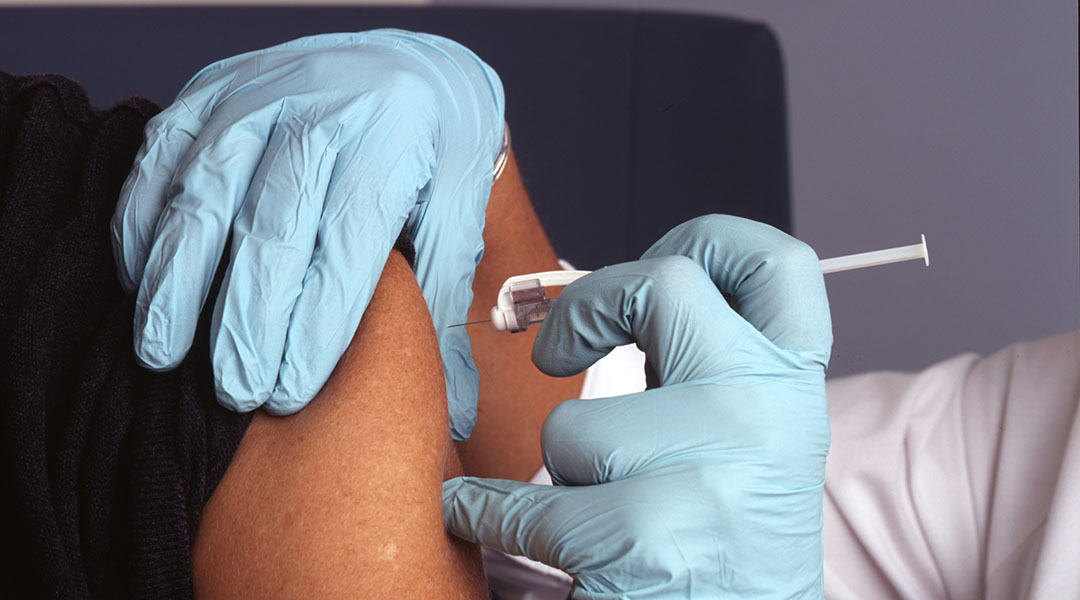
The quasi-vaccine could help healthcare workers weather a virus outbreak in the future.

SLAC scientists created ultra-dense electron beams with five times the peak current, using infrared lasers to unlock new frontiers in physics and materials research.
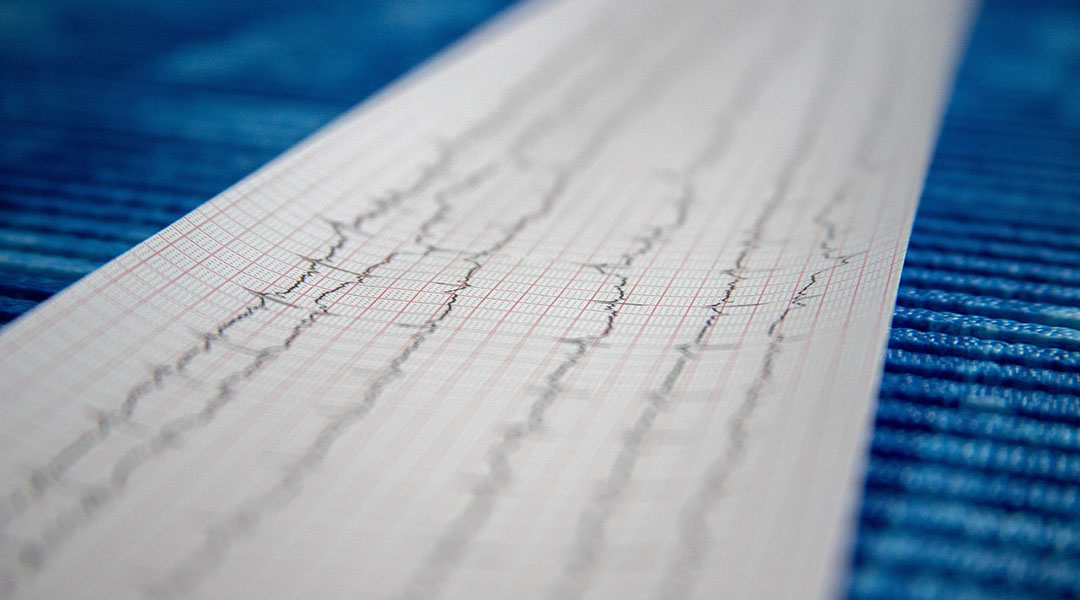
Smaller than a grain of rice, the pacemaker is designed with temporary interventions in mind.
Scientists assume that inflation was driven by hypothetical inflaton particles, which scientists think could be the Higgs boson.
“We’ve essentially reworked the standard recipe for making organic light emitting diodes, like those found in smartphones.”
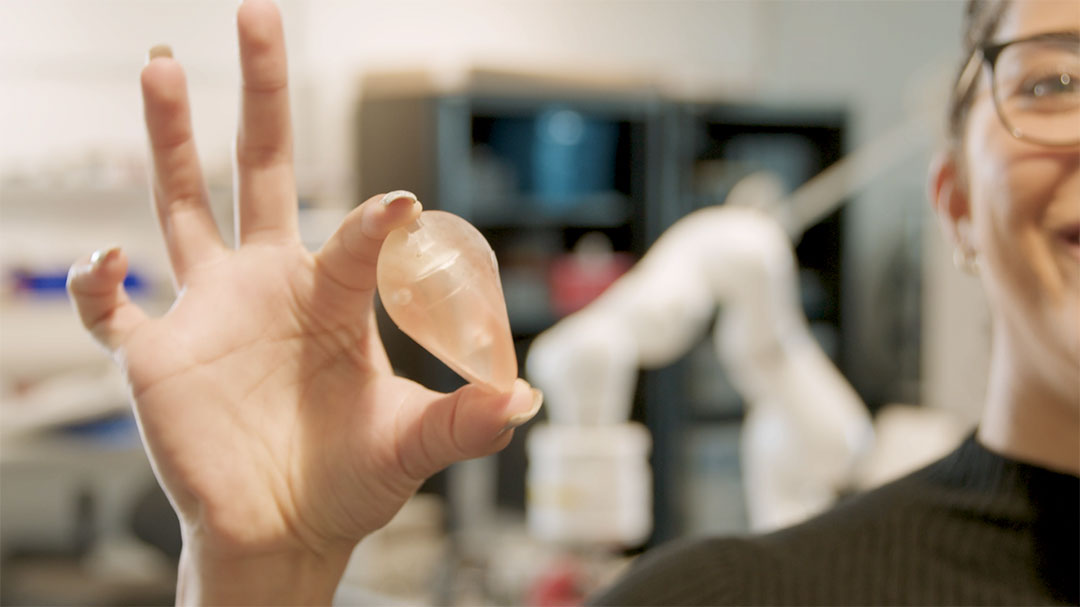
A robot with a unique shape could make it possible to perform ultrasound scans deep within the gut, helping doctors diagnose colorectal cancer.

Microplastics facilitate a “super slime” that is resistant to antibiotics, sparking concern about antibiotic resistance in heavily polluted areas.
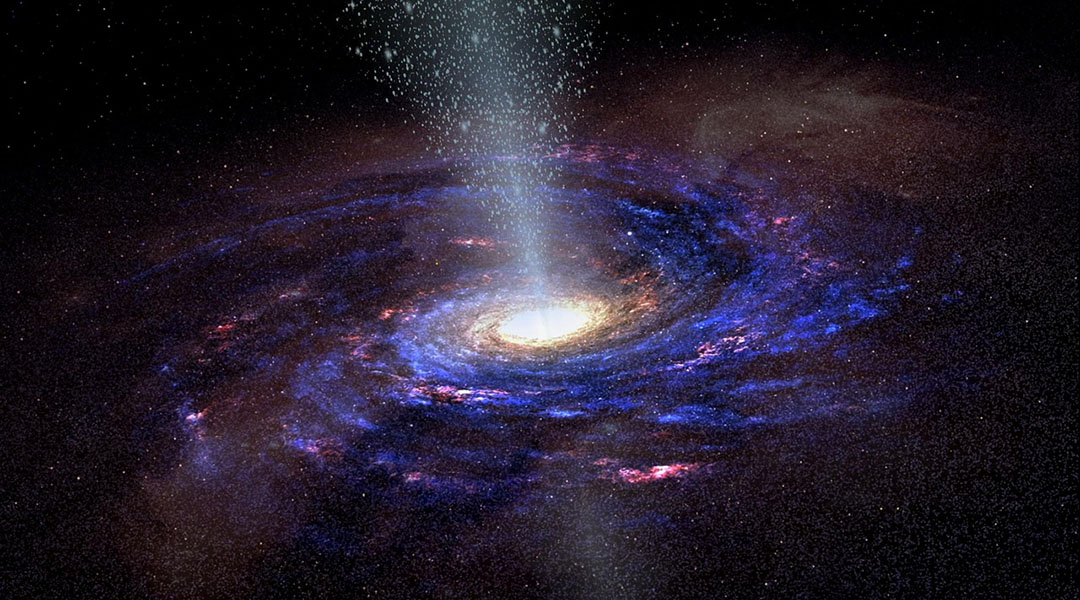
Dark matter could be composed of much lighter particles, with masses roughly ten times smaller than that of a proton.
 New theory suggests gravity is not a fundamental force
 Higgs boson may be driving the Universe’s expansion
 Water-powered gadgets may be on the horizon thanks to new evaporation-based energy device
 Scientists discover a new class of antibiotics
 Micron-sized hidden dimensions could solve two of physics’ deepest puzzles
 A new type of dark matter could explain mysterious radiation from the Milky Way’s core