Future astronauts may be protected from galactic cosmic rays thanks to a novel organ-on-chip system containing interconnected human tissue.
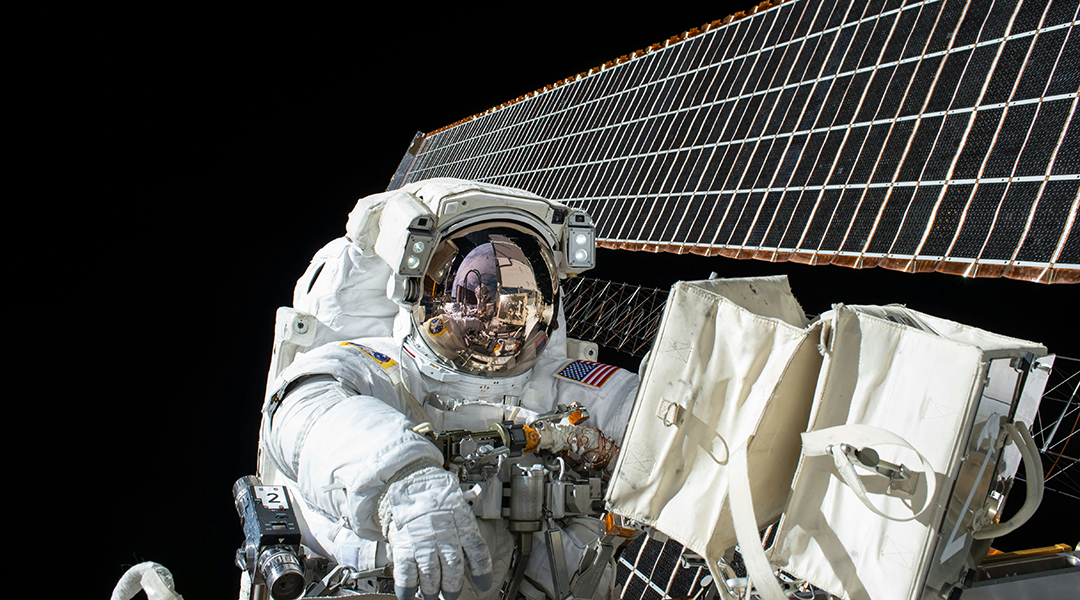

Future astronauts may be protected from galactic cosmic rays thanks to a novel organ-on-chip system containing interconnected human tissue.
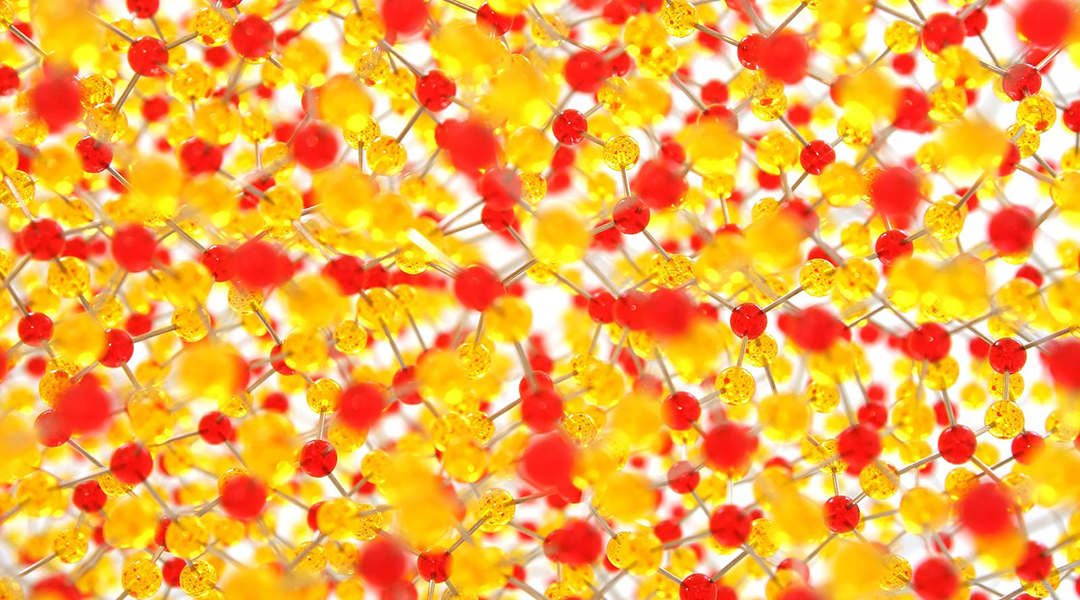
An Ising machine built on lattice defects solves problems faster than conventional computers without the drawbacks of quantum systems.

In this third and final article in a series on philosophy and science, we look at how modern science shows the validity of dialectical processes and how this can help guide science.
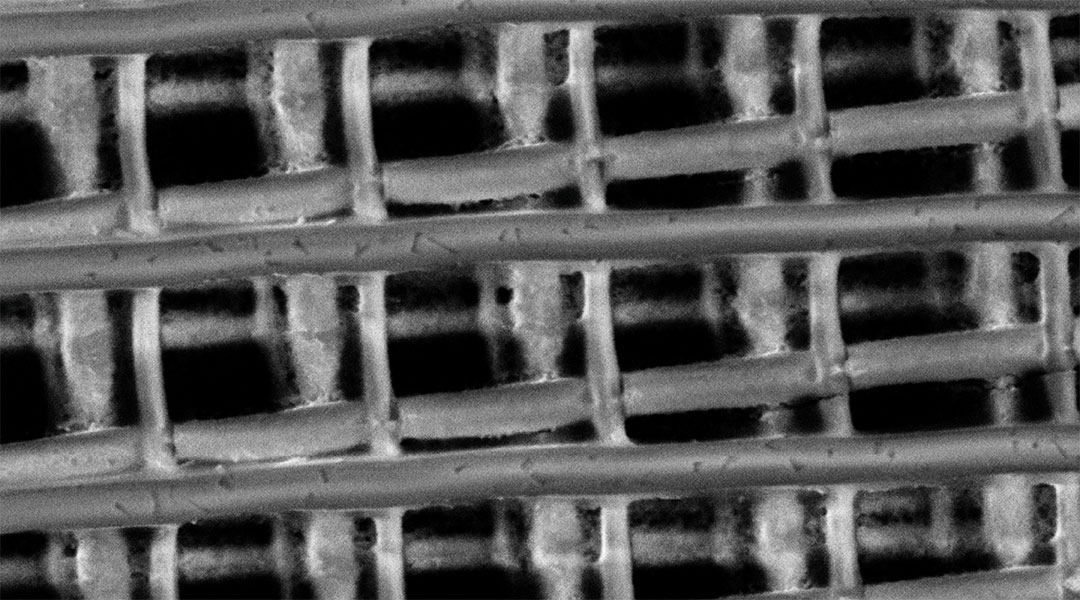
Their unprecedented control over light will lead to breakthroughs in telecommunications, medical imaging, and quantum computing.
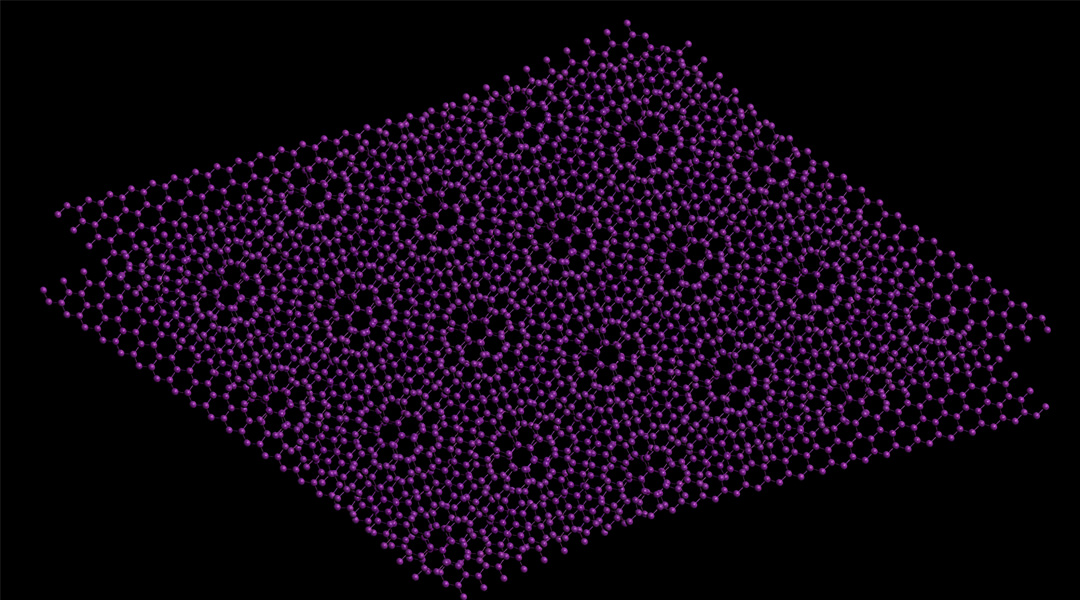
“Magic angles” in twisted bismuth bilayers could induce superconductivity at more reasonable temperatures.
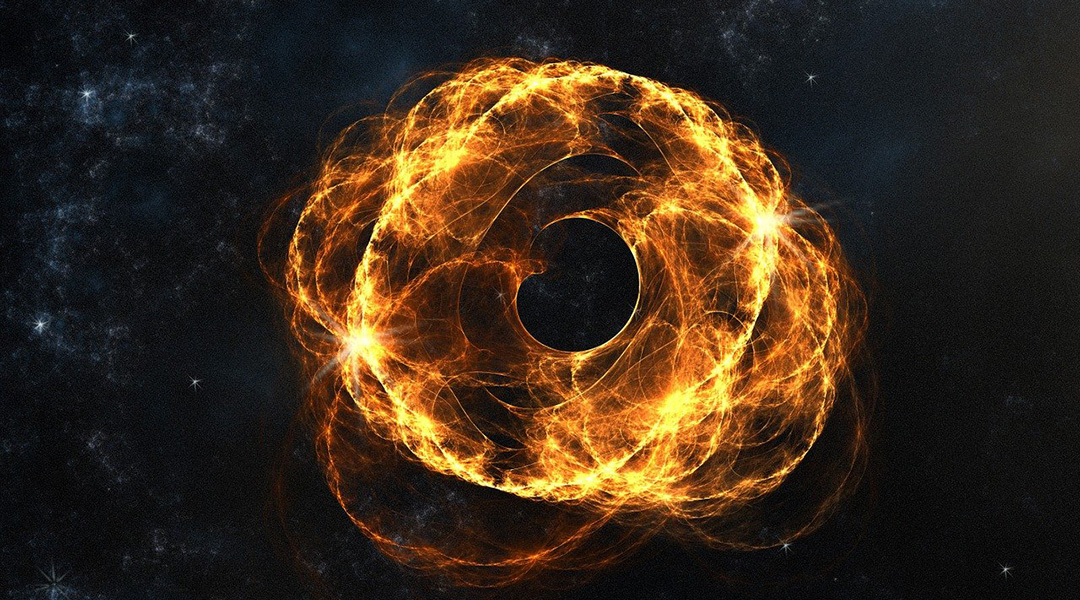
During the tumultuous mergers of black holes, smaller black holes called morsels could produce detectable Hawking radiation.
By adding primordial magnetic fields to the Standard Model, researchers may solve the mystery of the Universe’s expansion.

This new brain–computer interface detects weakened brain signals and boosts them to healthy levels, potentially reversing cognitive aging in the brain.
Scientists create magnetism in a non-magnet at room temperature for the first time, with implications in quantum tech and computer science.
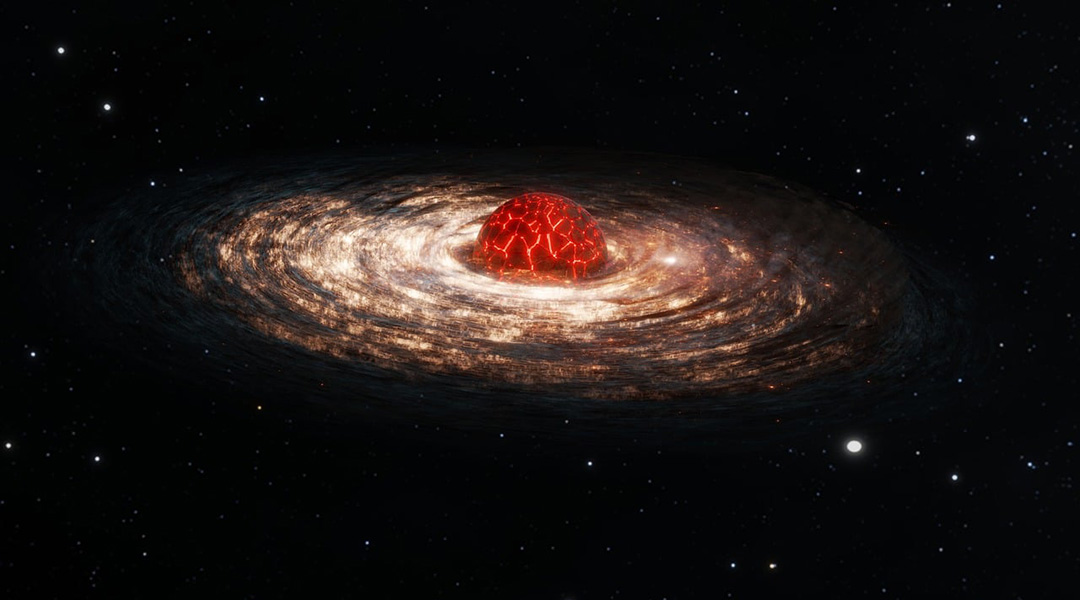
While dark matter’s enigmatic nature persists, Proca stars made of dark photons could help shed light on this cosmic mystery.
 Micron-sized hidden dimensions could solve two of physics’ deepest puzzles
 Turning Periods into Power: Menstrual Blood a Valuable Resource for Medical Diagnostics
 Kirigami-inspired neural probes are a cut above
 Immune resilience gene signature could hold the key to healthy aging
 Surfactants Steer Supraparticle Structure
 Bone loss in obesity traced to gut microbiota