Several devices using flexible circuit boards were created to demonstrate the possibilities of this technology, showing the ability to create thermoplastic electronic devices.


Several devices using flexible circuit boards were created to demonstrate the possibilities of this technology, showing the ability to create thermoplastic electronic devices.
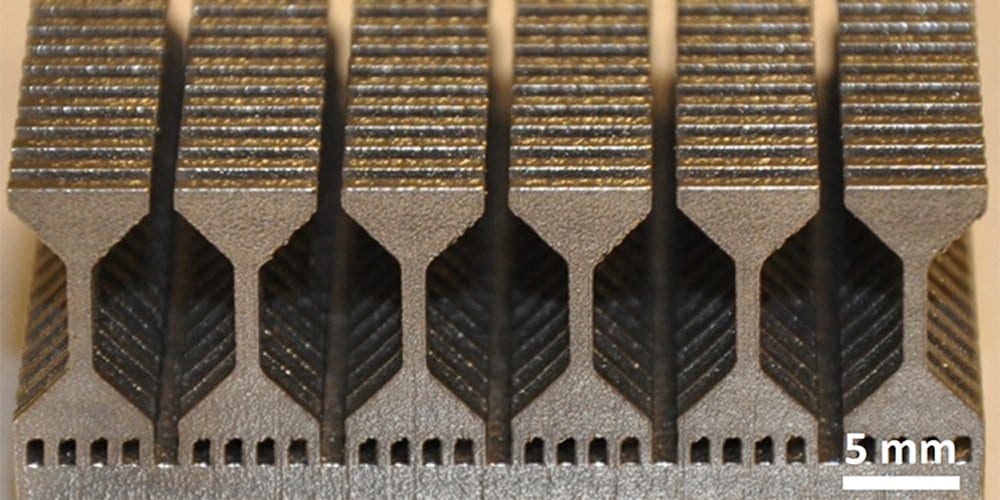
A high-throughput tensile testing technique has been implemented, which utilizes high-resolution cameras to track the deformation during testing.

Perovskite solar cells made on flexible plastic substrates are a crucial development, but how to deposit the electron collecting layer?
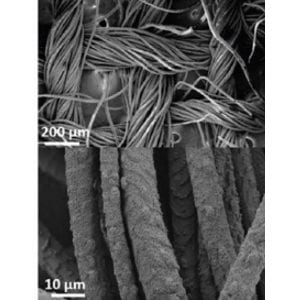
Researchers develop a vapor-coating technique to produce wearable electronic devices from conducting-polymer-coated off-the-shelf, plain-woven fabrics.
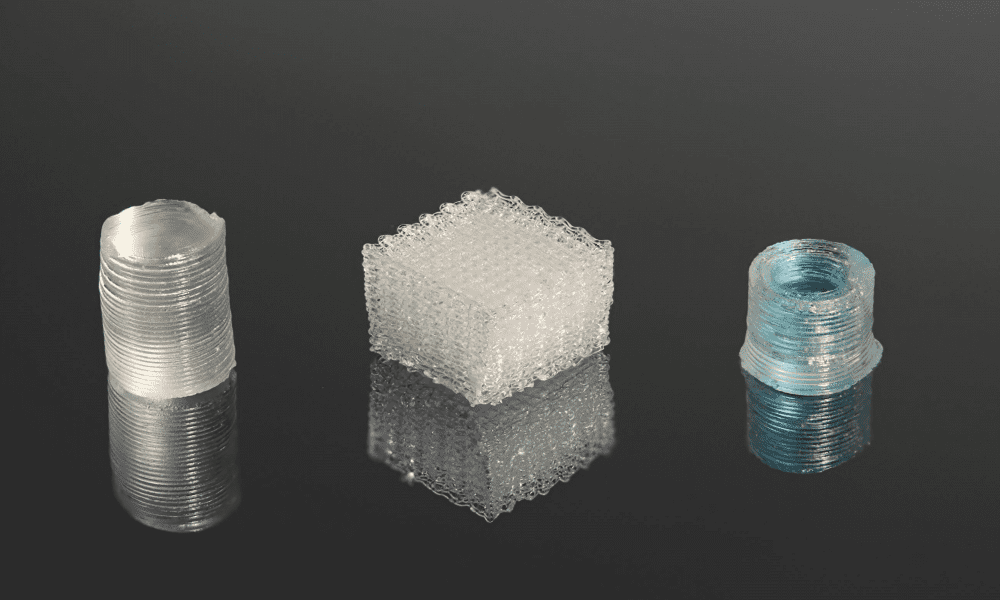
3D-printed transparent glass is prepared using a two-step method that shows promise for the creation of glass optics as well as intricate glass structures.

BYK Additives & Instruments introduce new product developments for the coating industry.

An optically transparent epoxy-siloxane molecular hybrid material that simultaneously exhibits glass-like wear resistance and strength, plastic-like modulus and a high modulus of resilience is developed by Dongchan Jang, Byeong-Soo Bae and co-workers.

The present special issue of Advanced Engineering Materials gives an overview on the materials science and engineering activities at the Montanuniversität Leoben.
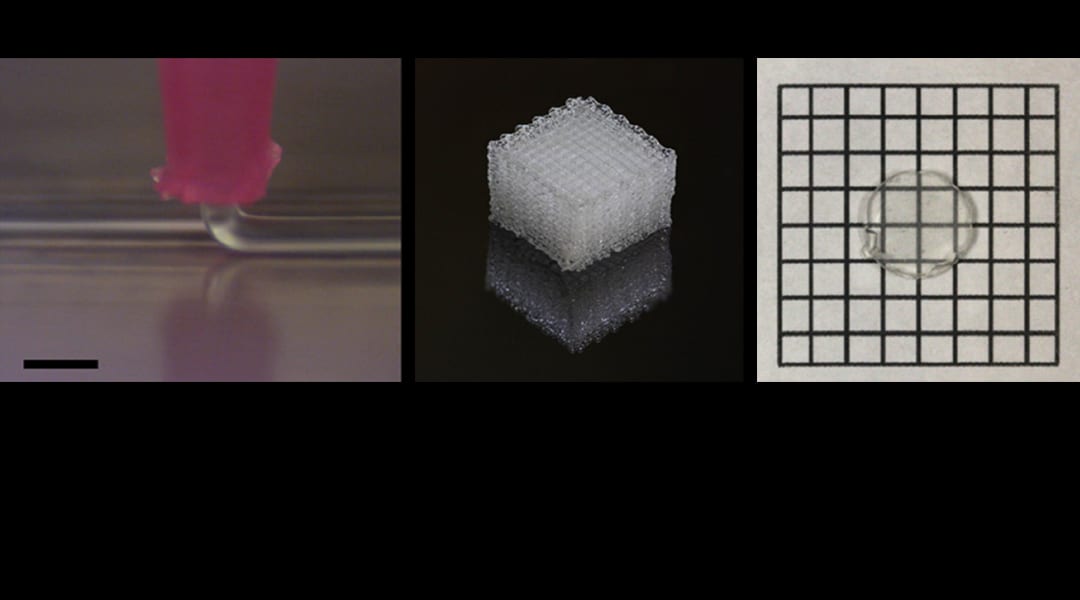
3D printing technology enables a mold-free formation of freeform transparent glass.
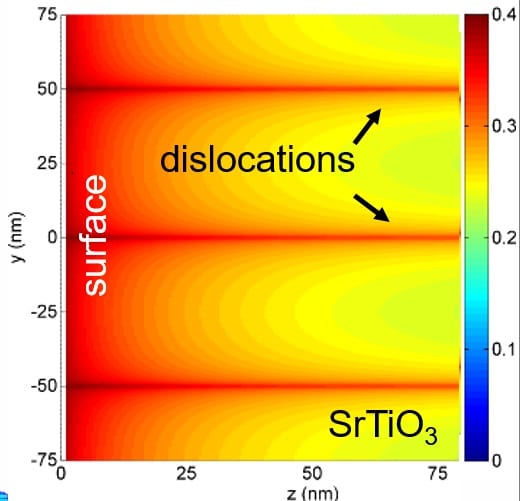
Plastic strain engineering to analyze the effect of dislocation space charges on electrical and oxygen diffusion properties in SrTiO3 as a model oxide.
 New theory suggests gravity is not a fundamental force
 Higgs boson may be driving the Universe’s expansion
 Water-powered gadgets may be on the horizon thanks to new evaporation-based energy device
 Scientists discover a new class of antibiotics
 Micron-sized hidden dimensions could solve two of physics’ deepest puzzles
 A new type of dark matter could explain mysterious radiation from the Milky Way’s core