DuPont launched nylon in 1939. Now, almost 80 years later, the company overhauled and updated nylon for the 21st century and made it 3D printable.


DuPont launched nylon in 1939. Now, almost 80 years later, the company overhauled and updated nylon for the 21st century and made it 3D printable.

A consortium of international companies joined forces to drive the future of Sheet Molding Compound (SMC).
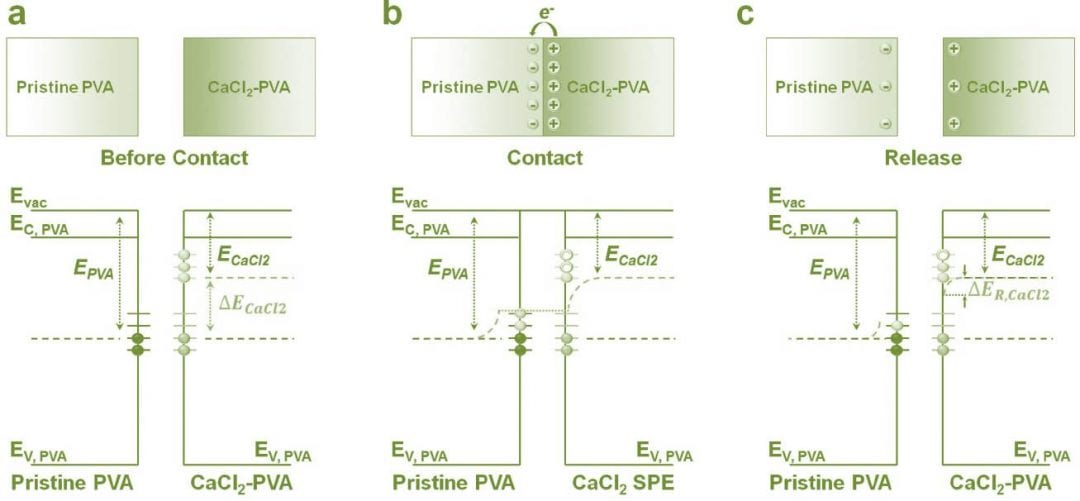
Triboelectric nanogenerators are an exciting frontier in small-scale applications, converting low-frequency mechanical energy into an alternating current.
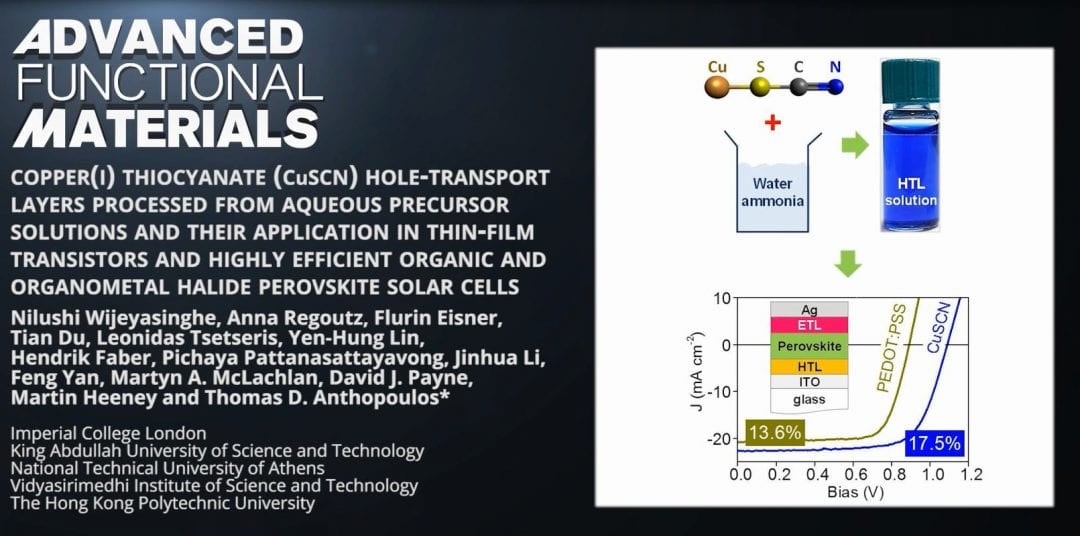
Thomas D. Anthopoulos and colleagues report a simple, environmentally-friendly processing method for copper(I) thiocyanate (CuSCN), a next-generation hole-transport layer (HTL) for organic and hybrid perovskite solar cells. The power conversion efficiency reaches 17.5%—a remarkable improvement over conventional polymer HTLs.

A calculation method based on a natural phenomenon helps to optimize lightweight laminates.

The recent progress made in inkjet printed organic transistors for plastic electronics applications is reviewed.

A plasma treating system for EPDM-rubber profiles.
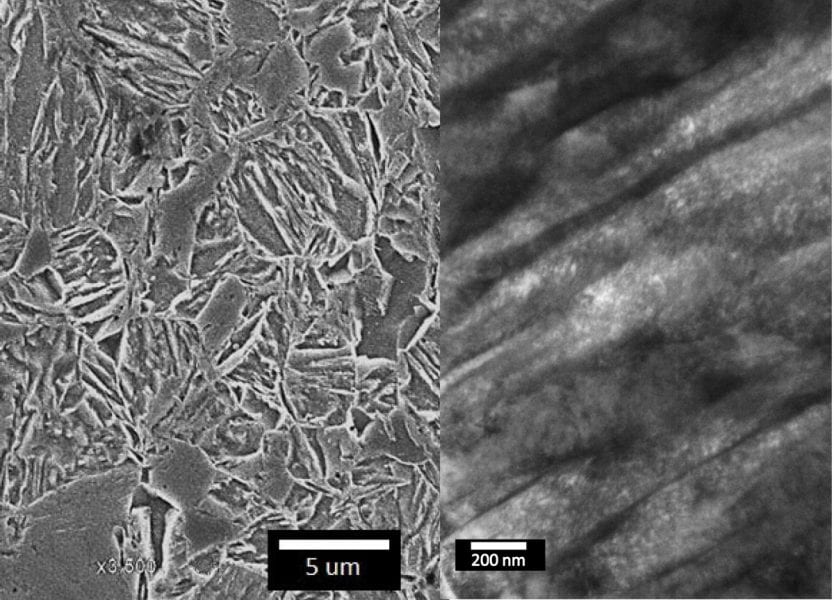
Electrochemical permeation experiments are used to investigate hydrogen diffusivity and trapping characteristics in different grades of MS-AHSS steel.
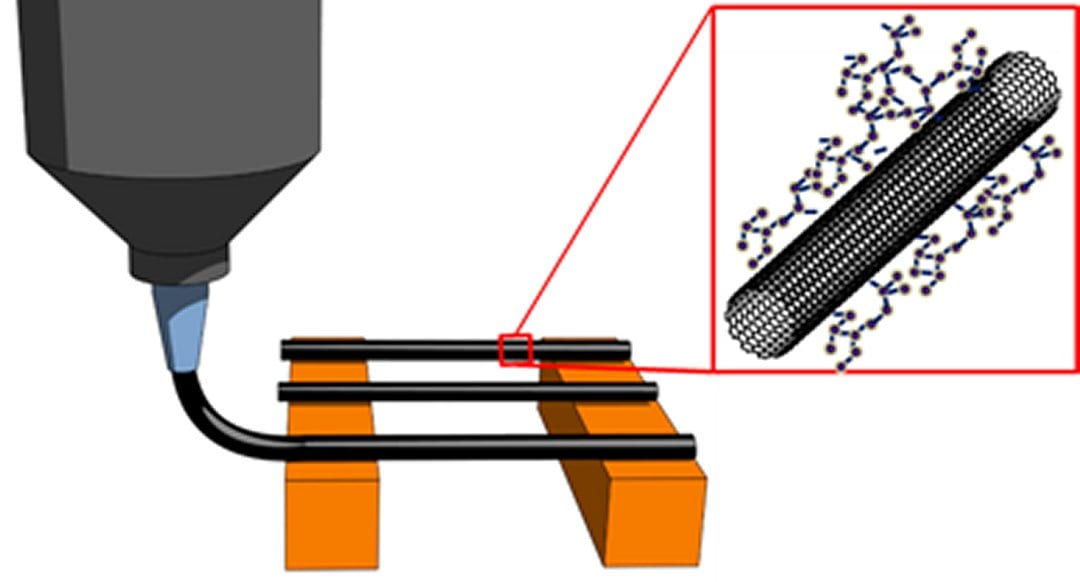
A brief overview is presented mainly over the latest progresses in 3D printing of multifunctional polymer nanocomposites and microfiber einforced composites including the benefits, limitations and potential applications.

Italian researchers explored the diagnostic capability of a multimodal spectroscopic approach for classifying normal brain tissue and epileptogenic focal cortical dysplasia in children.
 New theory suggests gravity is not a fundamental force
 Higgs boson may be driving the Universe’s expansion
 Water-powered gadgets may be on the horizon thanks to new evaporation-based energy device
 Scientists discover a new class of antibiotics
 Micron-sized hidden dimensions could solve two of physics’ deepest puzzles
 A new type of dark matter could explain mysterious radiation from the Milky Way’s core