Drawing from nature, scientists are creating next-generation X-ray protective clothing and equipment.


Drawing from nature, scientists are creating next-generation X-ray protective clothing and equipment.
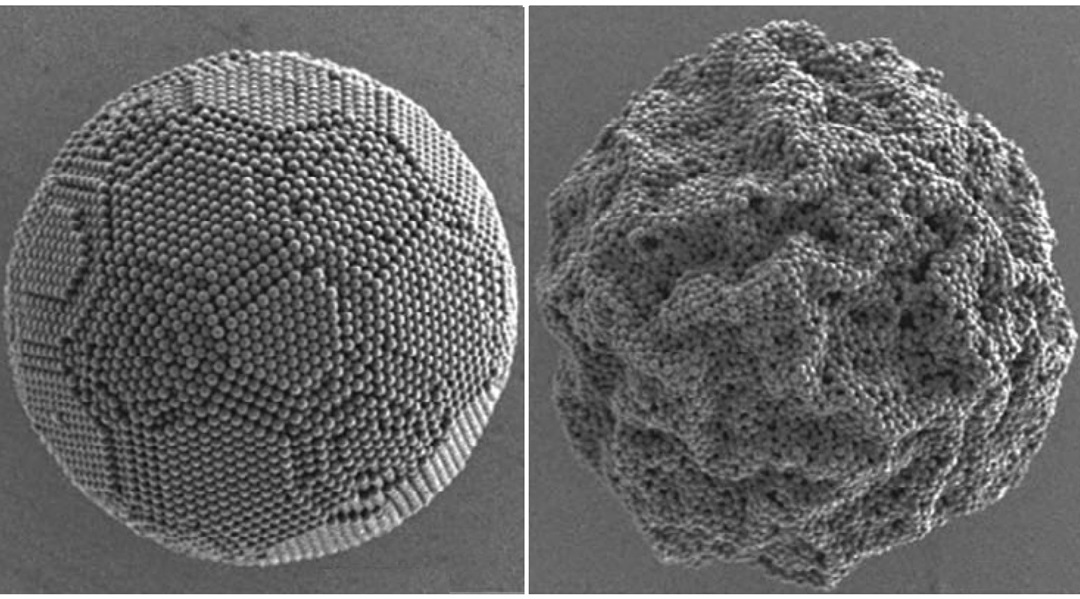
pH-responsive surfactants enable control over buckled supraparticle formation in emulsion-based systems.
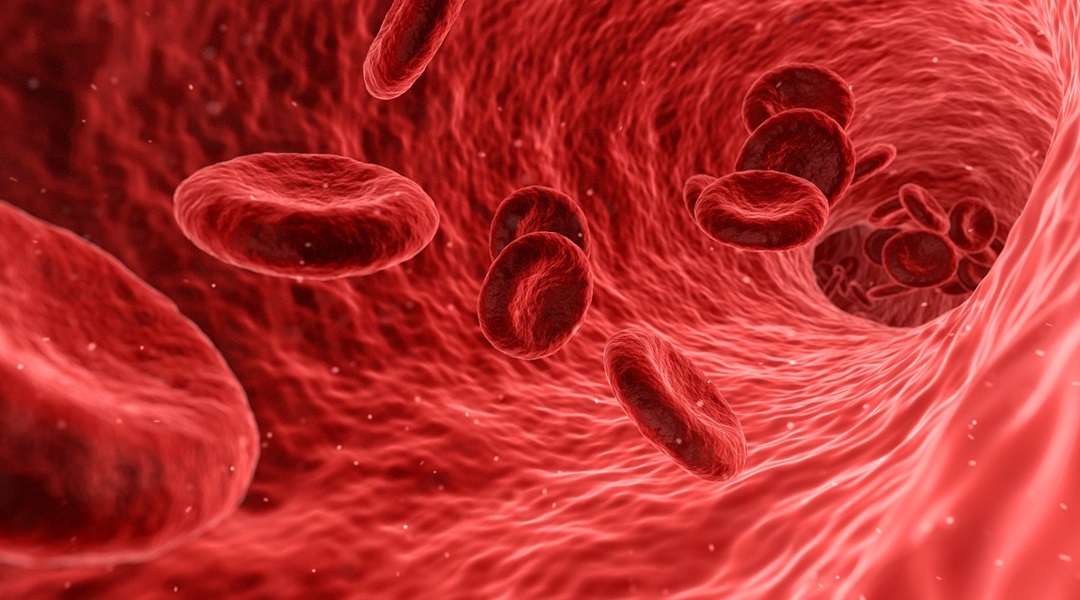
Wearable sensors help women analyse menstrual blood for affordable, non-invasive health monitoring.
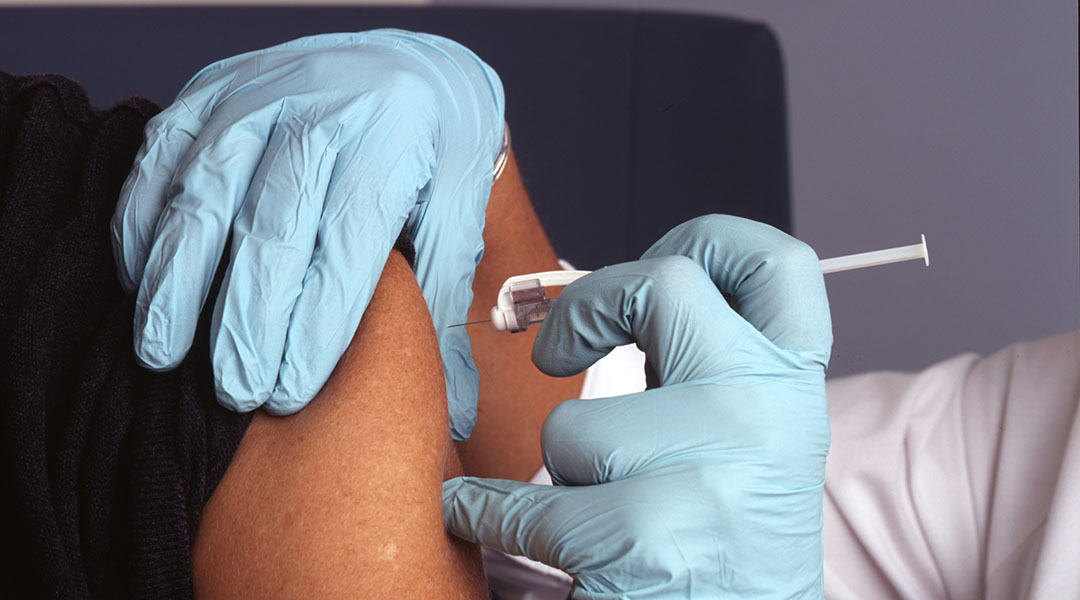
The quasi-vaccine could help healthcare workers weather a virus outbreak in the future.
https://www.youtube.com/watch?v=tVmxe6gvhIc Scientists have discovered a new way to tackle obesity by blocking a gut enzyme that helps absorb fat. The enzyme, called SOAT2, plays a role in packaging cholesterol and fatty acids for absorption. When researchers...
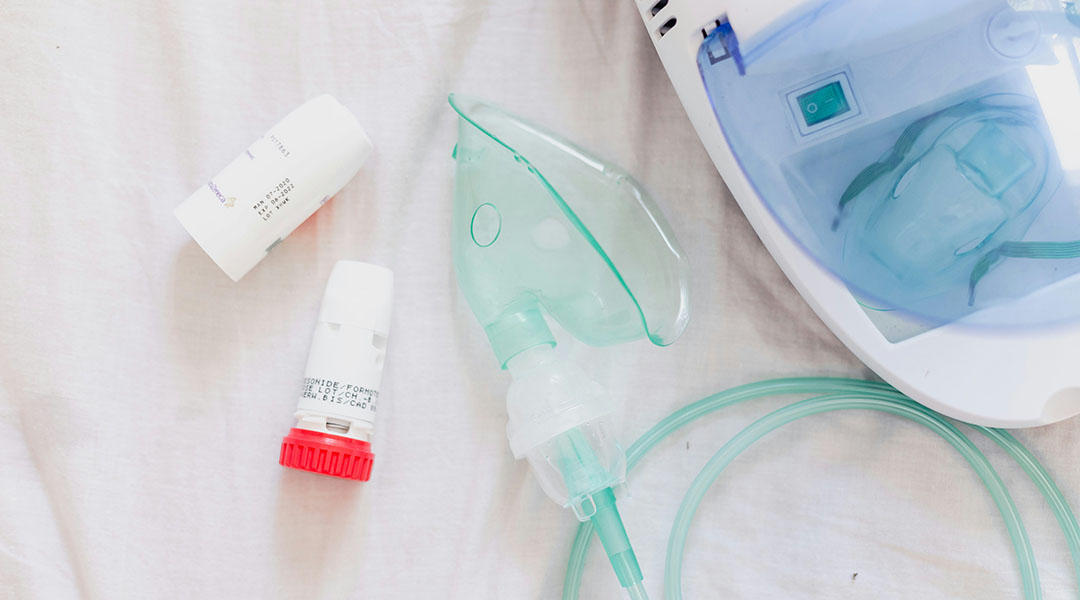
Based on the same mRNA vaccine against COVID-19, a new prototype has shown potential to treat asthma, a condition with no known cure.
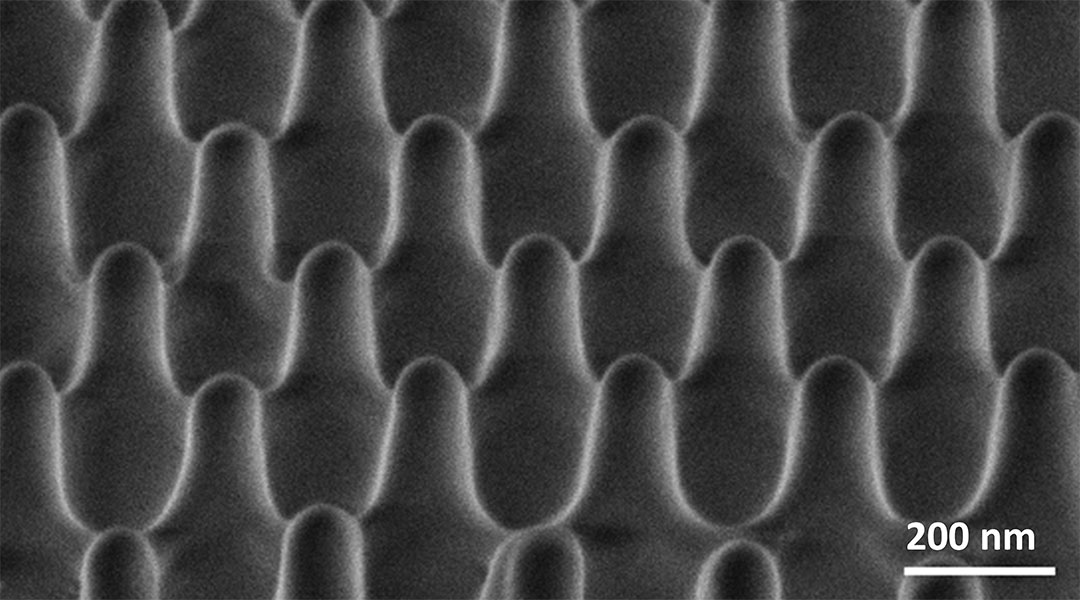
Scientists are using nanomaterials to pressure bacteria and find new ways to combat antibiotic resistance.

Transparent solar concentrators capture the Sun’s energy, making windows and building facades more energy-efficient and sustainable.

The protein helps convert white fat tissue into calorie-burning beige fat, providing a potential target for weight loss and obesity treatments.
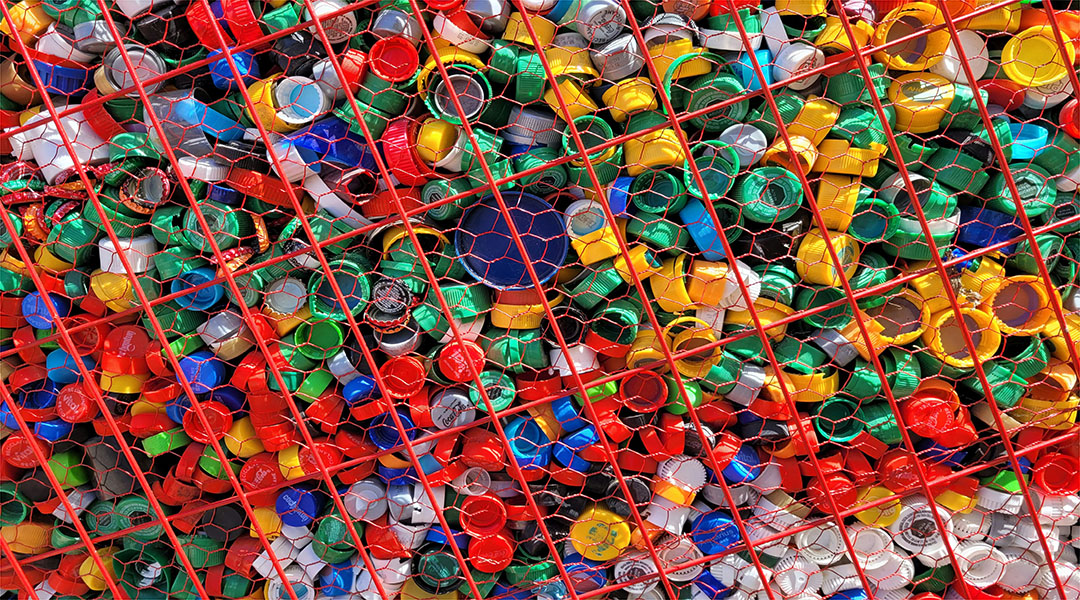
A common bacteria found growing on plastic in urban wastewater could provide new bioengineering solutions to clean up plastic waste.

 Micron-sized hidden dimensions could solve two of physics’ deepest puzzles
 Turning Periods into Power: Menstrual Blood a Valuable Resource for Medical Diagnostics
 Bone loss in obesity traced to gut microbiota
 Surfactants Steer Supraparticle Structure
 Edible electronics realize safe, complex monitoring devices
 Fermilab Confirms Muon g-2 Measurements