An antenna designed to create an optimized magnetic field puts electrons into the required quantum states for quantum sensing devices.

An antenna designed to create an optimized magnetic field puts electrons into the required quantum states for quantum sensing devices.

Researchers have developed a new method to benchmark quantum computers by measuring their ability to create entangled qubit states.

Metasurfaces to detect terahertz radiation are making spectrometers smaller, lighter, and more efficient for space travel.
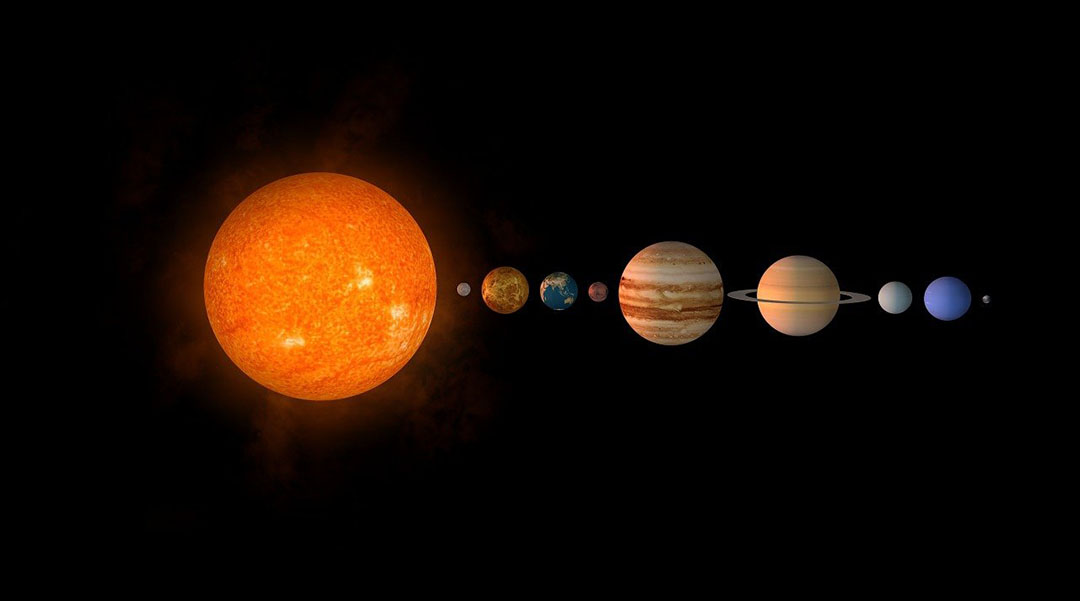
An ancient magnetic field drew matter inward and helped form our solar system’s planets, moons, and asteroids.
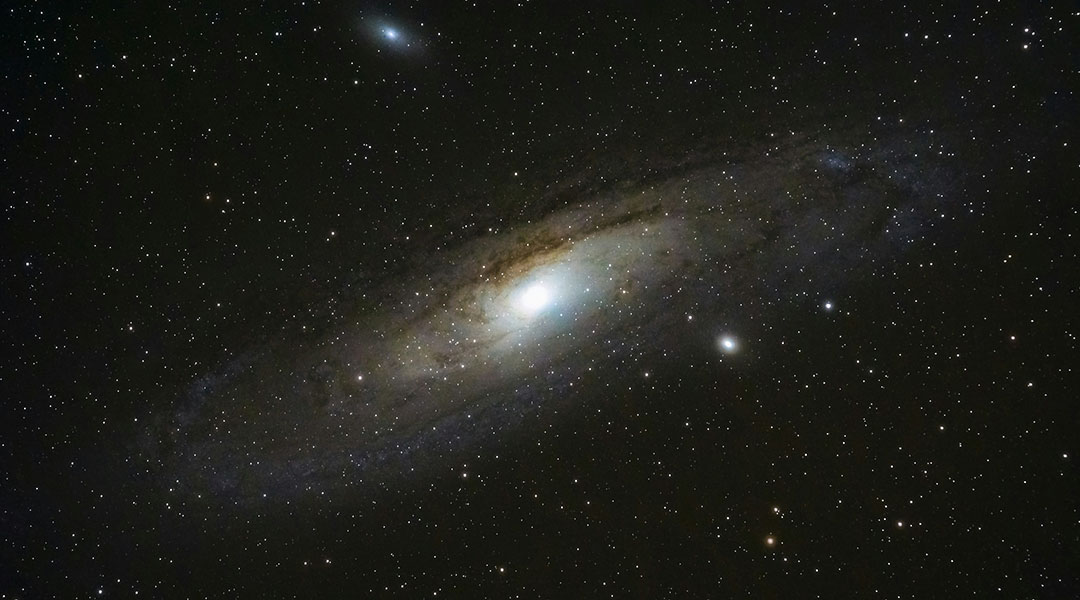
Links to observational data may have revealed the nature of magnetars and the origins of their extreme magnetic fields.

Dark matter may be gathering in dense clouds around neutron stars, potentially making it easier to observe it from Earth.

String theory could reshape our understanding of the Universe’s accelerating expansion and unlock the mysteries of dark energy.

Once relegated to theory, a newly discovered quantum object could be used to create new devices that will outpace modern electronics.
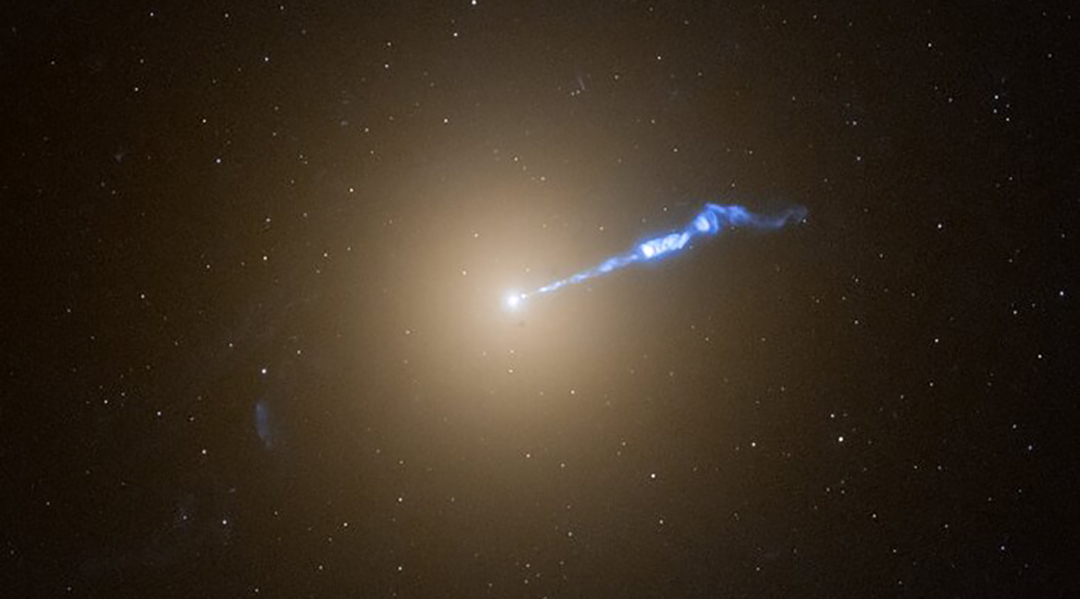
Using the Hubble Space Telescope, astronomers discovered the jet from a black hole, triggering nova explosions along its path.
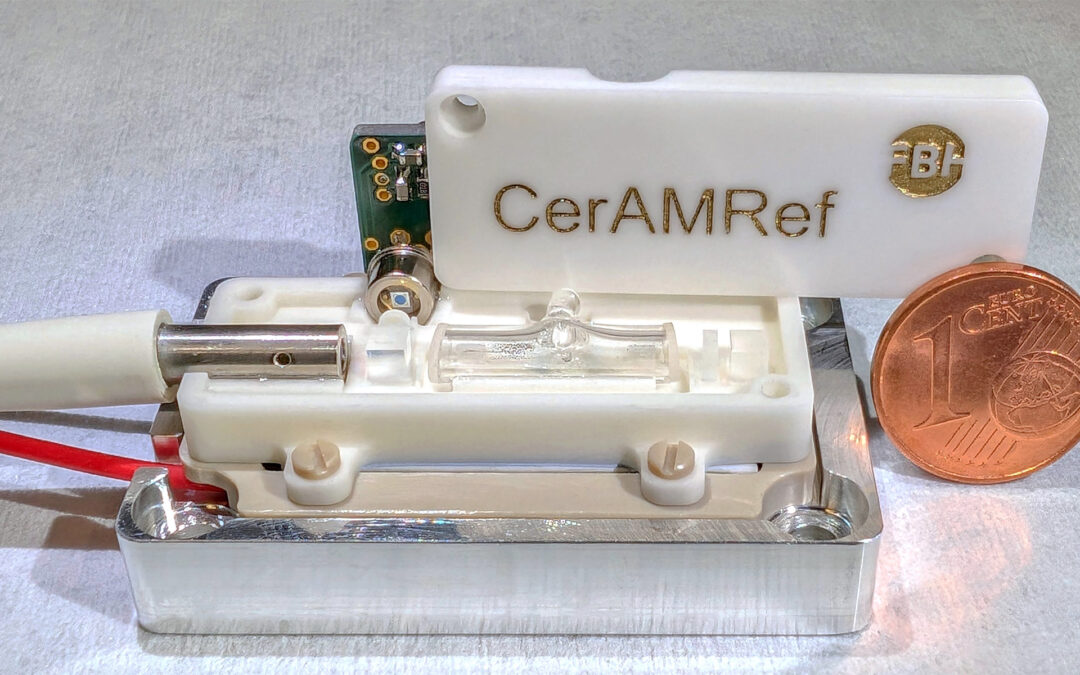
3D-printed ceramics enable smaller, more stable quantum devices for applications in quantum computing, sensing, and communications.
 New theory suggests gravity is not a fundamental force
 Higgs boson may be driving the Universe’s expansion
 Water-powered gadgets may be on the horizon thanks to new evaporation-based energy device
 Scientists discover a new class of antibiotics
 Micron-sized hidden dimensions could solve two of physics’ deepest puzzles
 A new type of dark matter could explain mysterious radiation from the Milky Way’s core