Scientists develop a reversible adhesive skin patch with high air permeability and water drainage.


Scientists develop a reversible adhesive skin patch with high air permeability and water drainage.
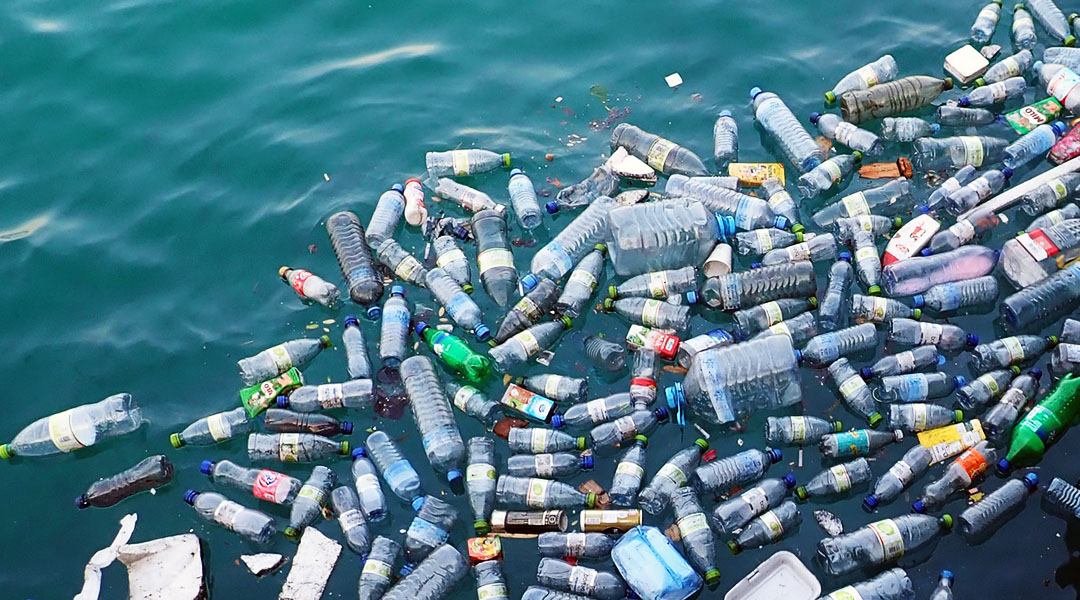
Nearly 30 companies from the plastics and consumer goods value chain commit over $1.0 billion to help end plastic waste in the environment

Siegfried Bauer, founder of the Soft Matter Physics Department at Johannes Kepler University Linz (1961–2018).
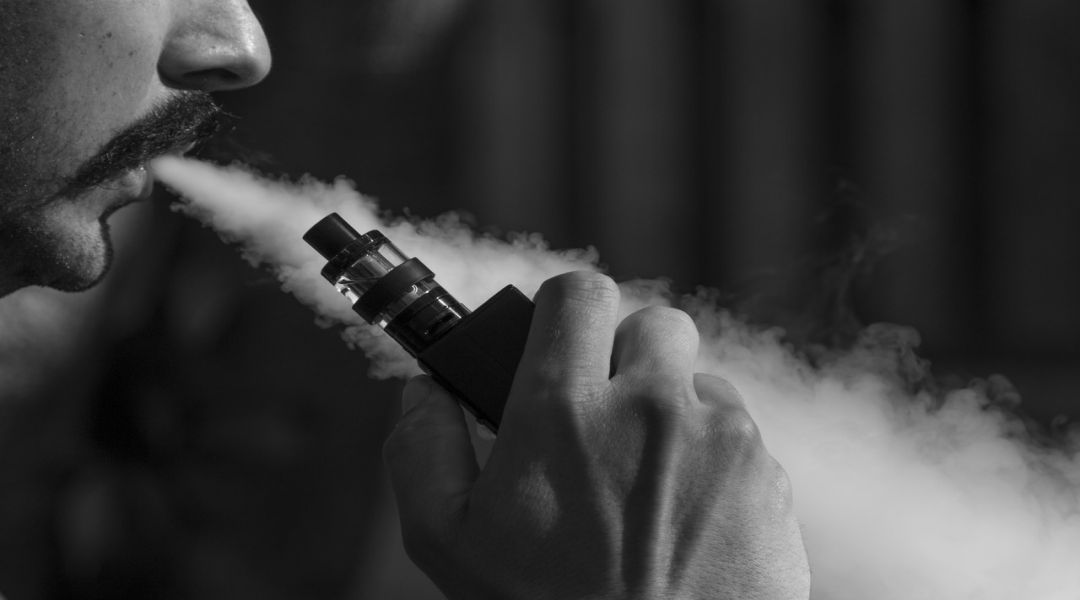
The health impacts of e-cigarette aerosols are not well known, including their effect on tracheal cells.
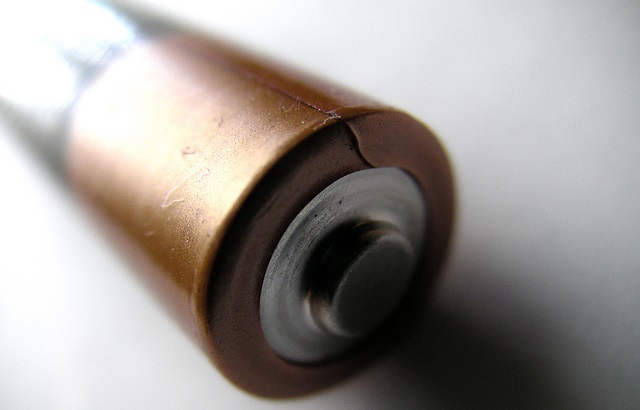
Paul Shearing of UCL explains thermal runaway observed in lithium-based battery systems, and comments on its mitigation and the future of battery safety.

Prof. Xia reflects on his inspirations, current work, and the impact of AI.

There are new top papers in Advanced Intelligent Systems special series. All included papers are free to read for a limited time!
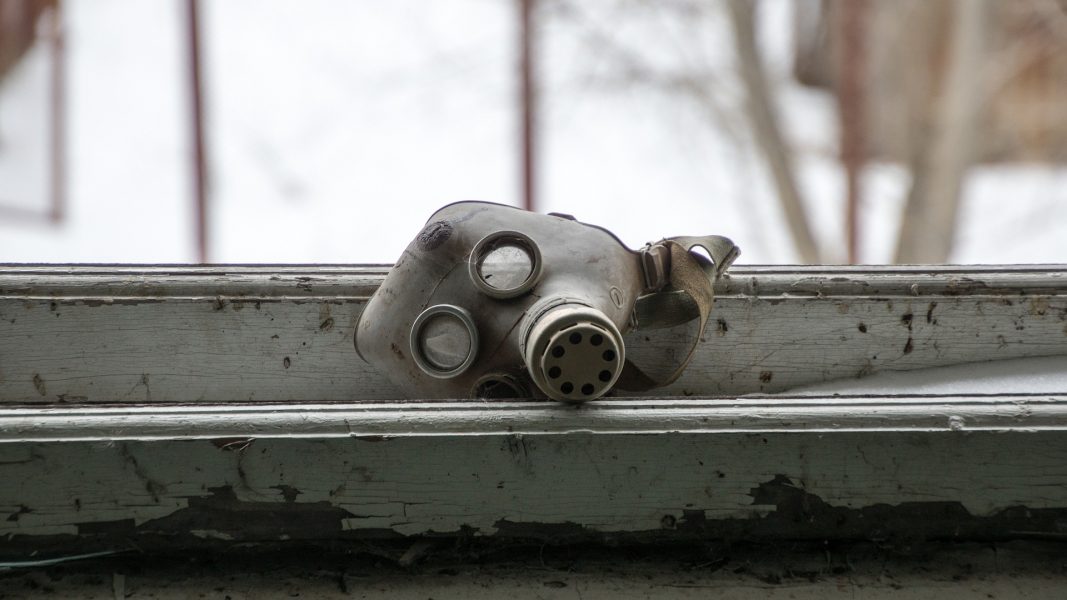
Low-cost, wearable sensor that use the metabolic response of yeast to measure ionizing radiation doses are developed.

Mars colonization may soon become a reality, but what are the pros and cons of this feat?
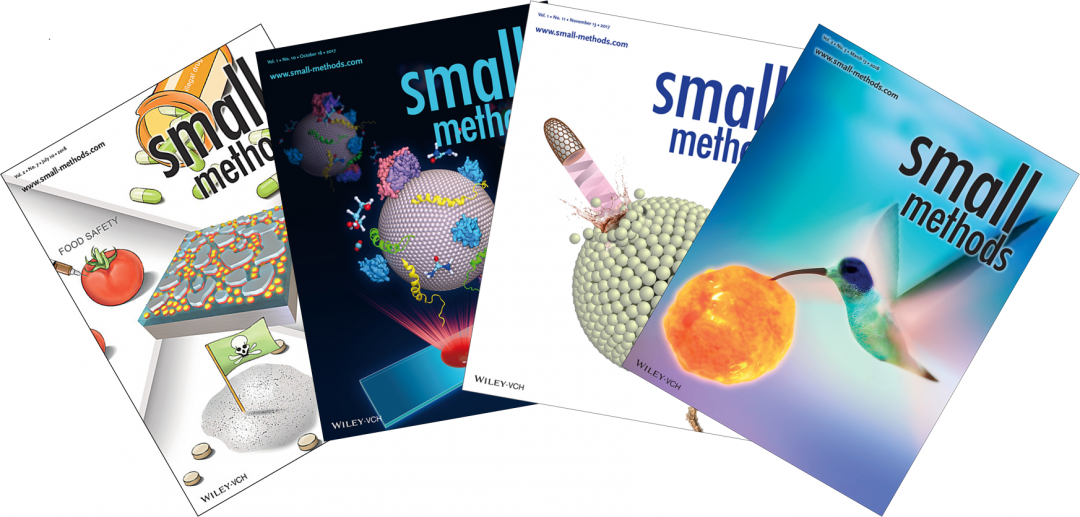
The Editors of Small Methods are pleased to publish this special biomedical virtual issue. This collection highlights outstanding research in Small Methods from the very first issue to now, in the areas of biosensing, biomedical engineering, nanomaterials,...
 New theory suggests gravity is not a fundamental force
 Higgs boson may be driving the Universe’s expansion
 Water-powered gadgets may be on the horizon thanks to new evaporation-based energy device
 Scientists discover a new class of antibiotics
 Micron-sized hidden dimensions could solve two of physics’ deepest puzzles
 Turning Periods into Power: Menstrual Blood a Valuable Resource for Medical Diagnostics