Technology is based on metal di-chalogenides, which are emerging as potential candidates to replace current CMOS materials.
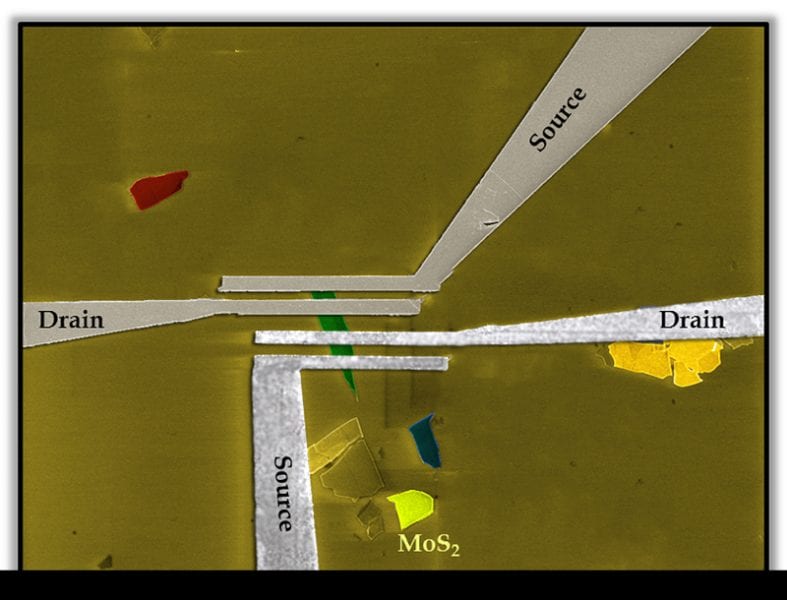

Technology is based on metal di-chalogenides, which are emerging as potential candidates to replace current CMOS materials.

New optical technologies using “metasurfaces” capable of the ultra-efficient control of light are nearing commercialization.
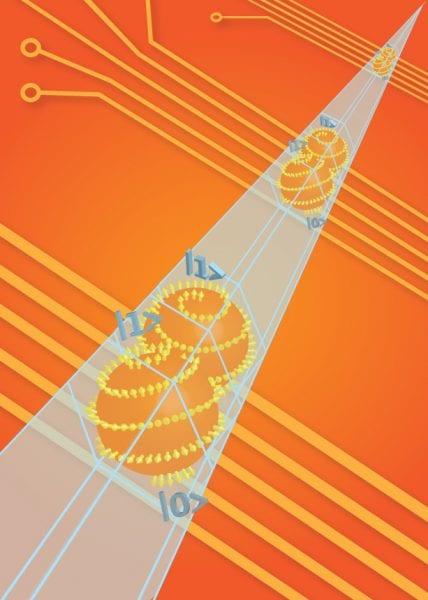
Recent research offers a new spin on using nanoscale semiconductor structures to build faster computers and electronics.
Purdue and Harvard researchers create stackable indium-gallium-arsenide transistors.
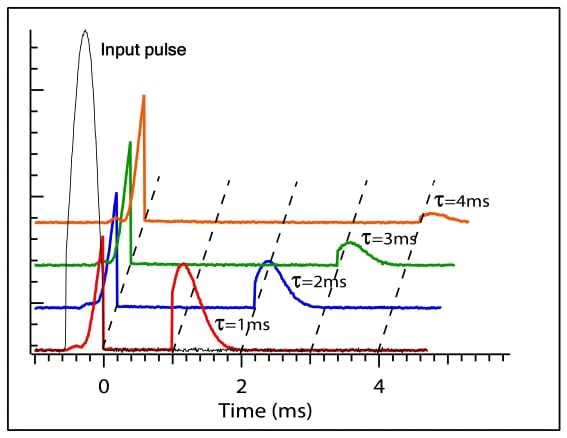
One of the exciting potential applications of electromagnetically induced transparency and slow and stored light is for practical realization of quantum memory, and, ultimately, quantum computing. Recent advances using ensembles of warm atoms in vapor cells have been made.
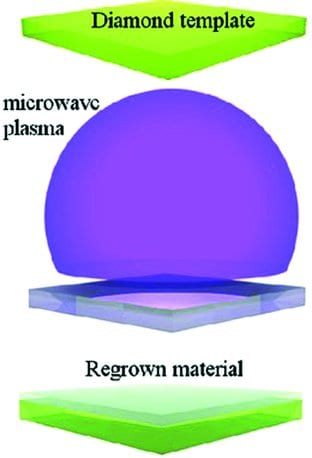
By using microwave CVD, high quality, single crystal diamond membranes have been epitaxially grown. The resulting material exhibits bright luminescence and good electron spin coherences times, suitable for application in quantum computing.
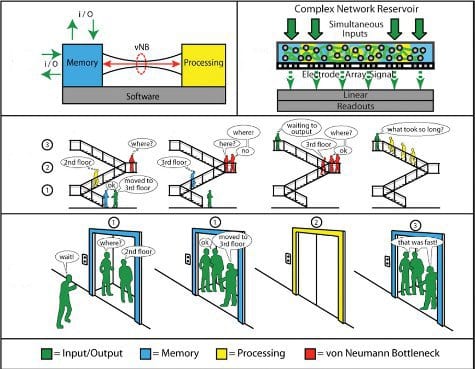
A computing network that exhibits emergent behavior similar to that in biological brains is hypothesized by Adam Z. Stieg of the California NanoSystems Institute
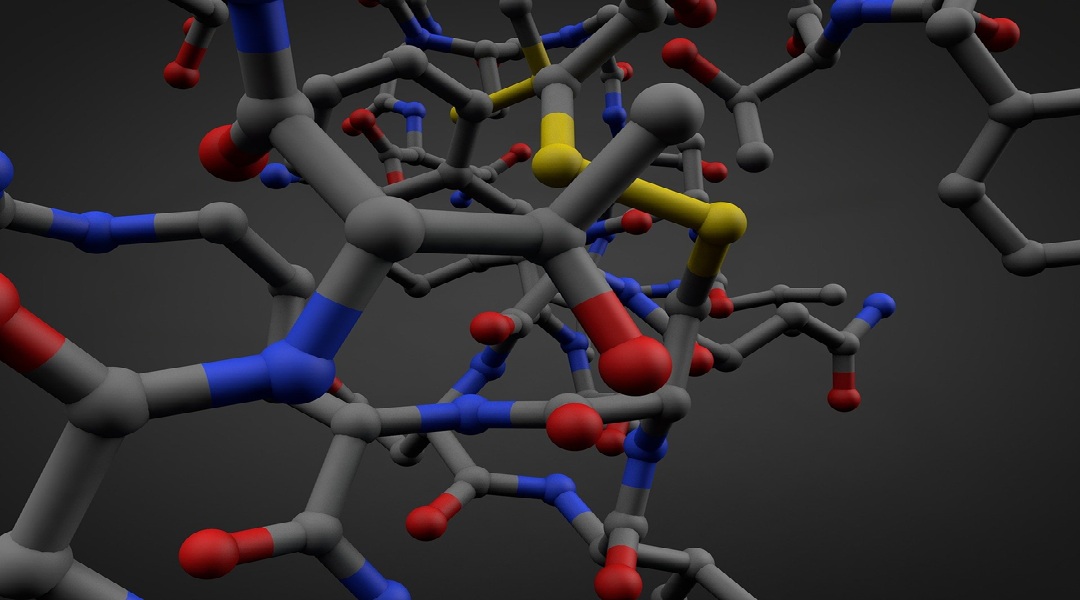
Adhering complex oxide membranes onto metallic TiN-coated polymers enables flexible electronics.

Machine learning quickly and precisely diagnoses sources of noise in quantum computers.

Low-loss router based on an interferometer preserves polarization while directing single photons and entangled pairs.
 New theory suggests gravity is not a fundamental force
 Higgs boson may be driving the Universe’s expansion
 Water-powered gadgets may be on the horizon thanks to new evaporation-based energy device
 Scientists discover a new class of antibiotics
 Micron-sized hidden dimensions could solve two of physics’ deepest puzzles
 A new type of dark matter could explain mysterious radiation from the Milky Way’s core