Gold nanoparticle clusters boosted the efficiency of titanium dioxide in degrading a toxic dye called methyl orange.


Gold nanoparticle clusters boosted the efficiency of titanium dioxide in degrading a toxic dye called methyl orange.

Researchers develop “relative attention entropy” to optimize data transmission, aiding AI learning and communication systems.

A material derived from avocado pruning waste and bio-polyethylene combines high strength with biodegradability.
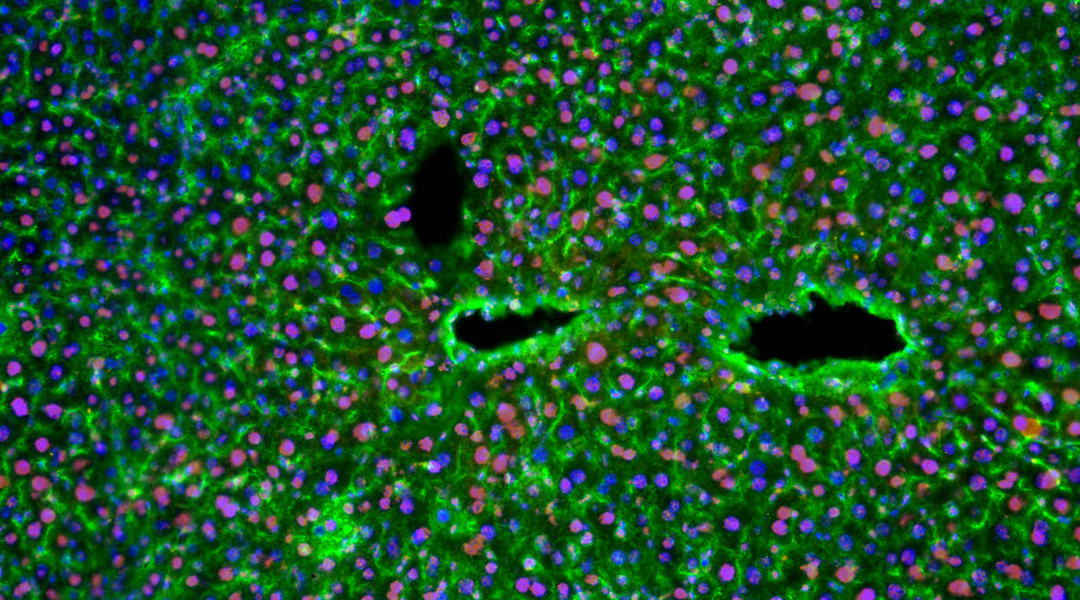
A new study finds that amyloid beta, a culprit in Alzheimer’s disease, is important for maintaining a healthy liver.
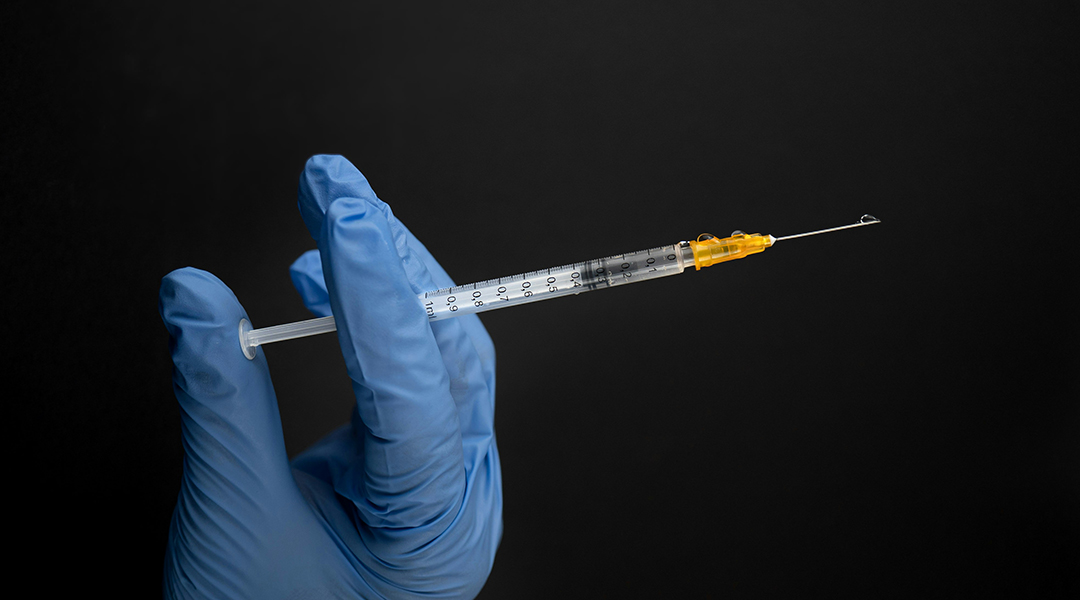
Hydrogel-based microspheres better control the release of drugs, providing better post-op pain relief and fewer side effects.
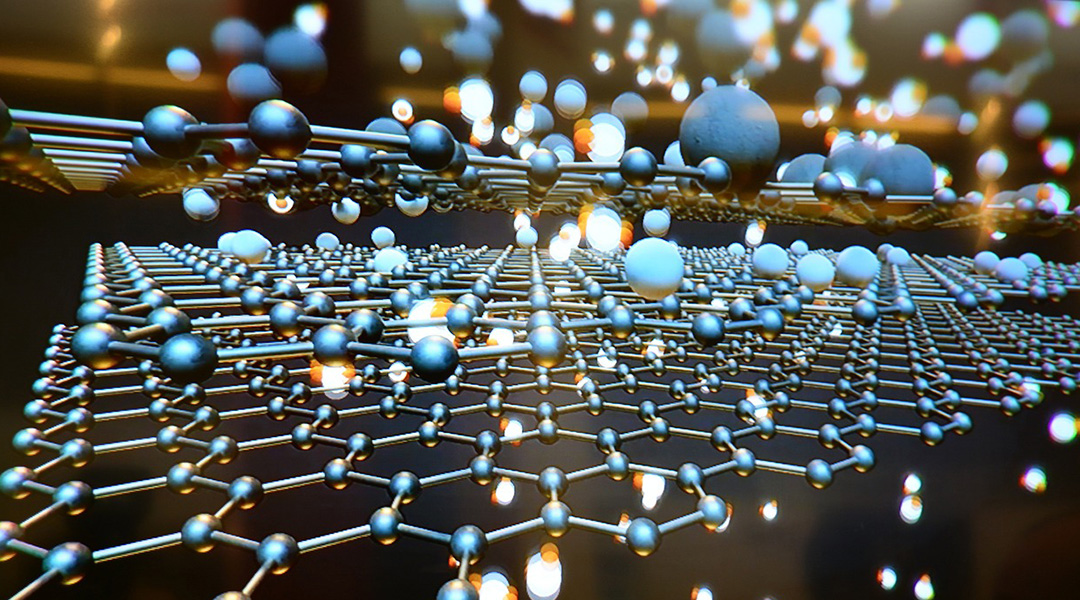
A new hybrid graphene incorporates new elements to help make the material magnetic for applications in electronics and computer science.
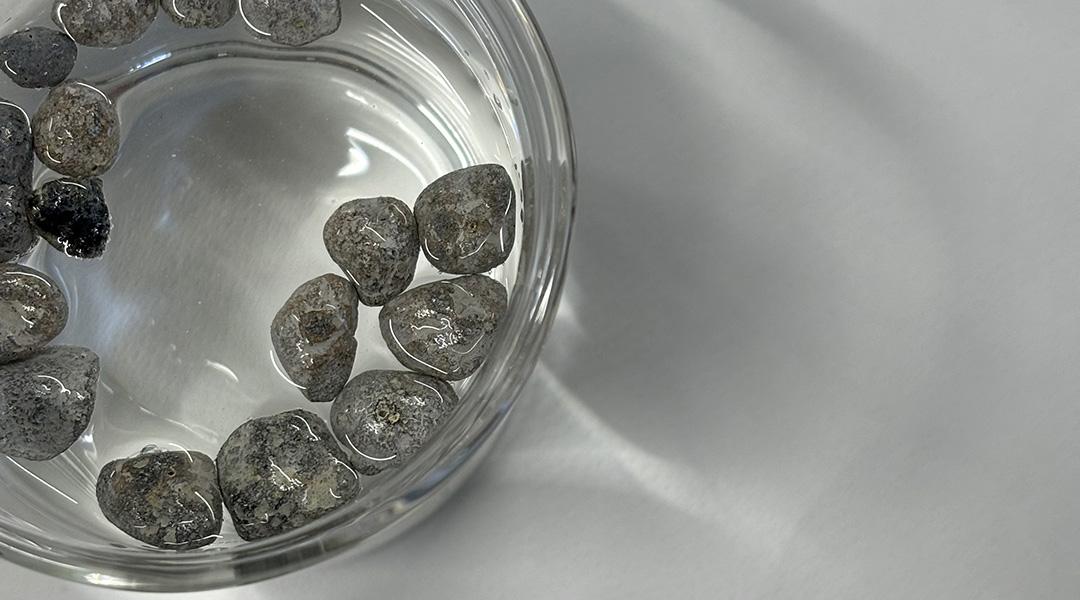
Sunlight-activated floating photocatalysts offer accessible water purification, vital for remote regions and developing communities.

Using electrochemical sensors, this new device can be used to combat water pollution by detecting heavy metals, like lead.

Computers based on memristors promise significant energy savings and improved accuracy in large-scale computing.

Florian Jehn combines pragmatism with optimism when considering potential threats to human civilization.

 Micron-sized hidden dimensions could solve two of physics’ deepest puzzles
 Turning Periods into Power: Menstrual Blood a Valuable Resource for Medical Diagnostics
 Surfactants Steer Supraparticle Structure
 Bone loss in obesity traced to gut microbiota
 Edible electronics realize safe, complex monitoring devices
 Fermilab Confirms Muon g-2 Measurements