Scientists have identified key biomarkers linked to immune and metabolic dysfunction in people with HIV on long-term antiretroviral therapy.
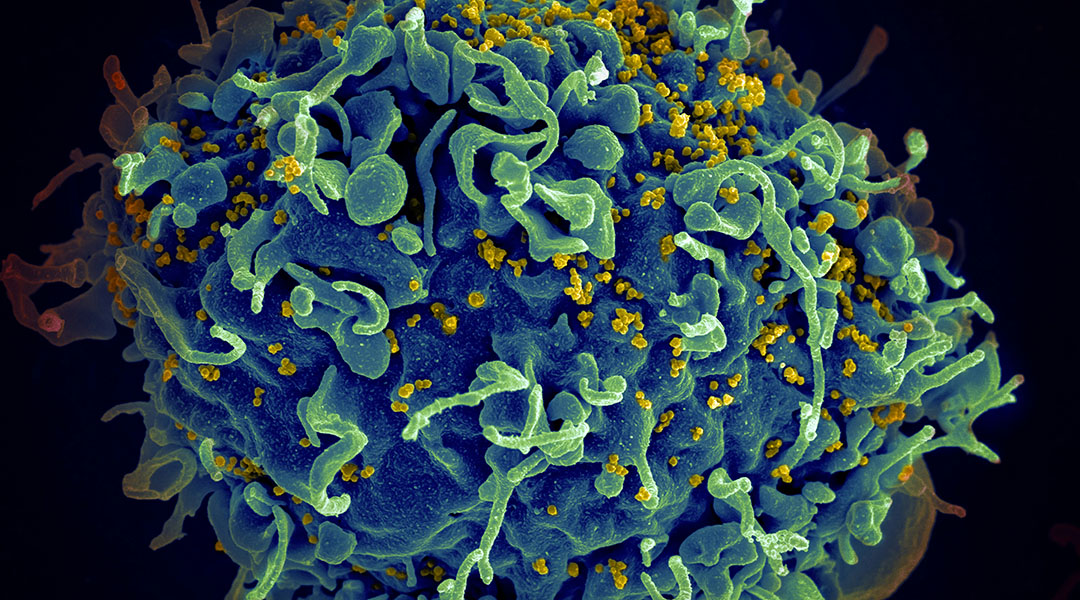

Scientists have identified key biomarkers linked to immune and metabolic dysfunction in people with HIV on long-term antiretroviral therapy.

Scientists have developed a marker pen to deliver tetrodotoxin, a powerful neurotoxin found in pufferfish, to treat severe skin pain.

Study finds that speaking multiple languages may improve executive functioning and reduce autism symptoms in children.

New drug reverses fentanyl overdoses by targeting opioid receptors outside the brain, avoiding withdrawal caused by traditional treatments.

Scientists find unique combinations of oral microbes can help identify states of stress in pregnant individuals.

Scientists explore how corals could adapt to climate change to survive, but stress that cutting emissions is crucial for their future.

Data from over 300,000 participants has revealed a potential genetic link between depression and cardiovascular disease in women.
An antenna designed to create an optimized magnetic field puts electrons into the required quantum states for quantum sensing devices.

Study shows that starting exercise early helps condition cells to preserve motor neurons before age-related loss.

A hydrogel delivers therapeutic molecules to the brain after a stroke, promoting blood vessel regrowth and aiding recovery.
 New theory suggests gravity is not a fundamental force
 Higgs boson may be driving the Universe’s expansion
 Water-powered gadgets may be on the horizon thanks to new evaporation-based energy device
 Scientists discover a new class of antibiotics
 Micron-sized hidden dimensions could solve two of physics’ deepest puzzles
 A new type of dark matter could explain mysterious radiation from the Milky Way’s core