A cryopreservation technique puts graft tissue into a glass-like state, preserving cells and viability during long-term storage.
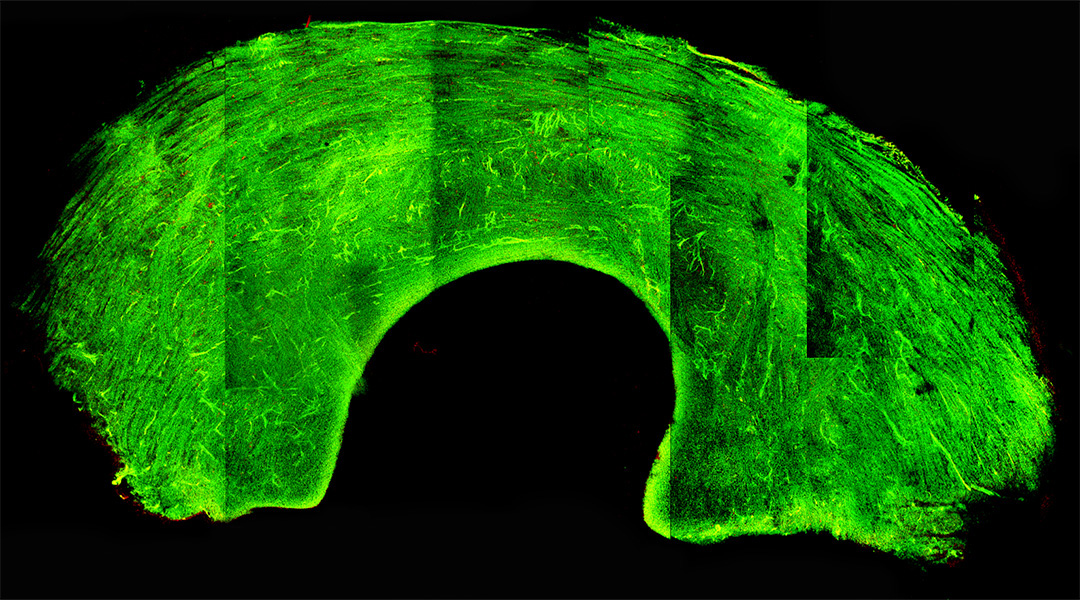

A cryopreservation technique puts graft tissue into a glass-like state, preserving cells and viability during long-term storage.

Pre-activation of plastics with fluorine-containing molecules disrupts their stability, making them easier to break down and upcycle.

Scientists create magnetism in a non-magnet at room temperature for the first time, with implications in quantum tech and computer science.

The first link between biomolecule concentration in our cartilage and the progression of osteoarthritis opens new routes for treatment.

Upcoming space experiment sets sights on encrypted quantum communication, which could also provide valuable insights into quantum gravity.
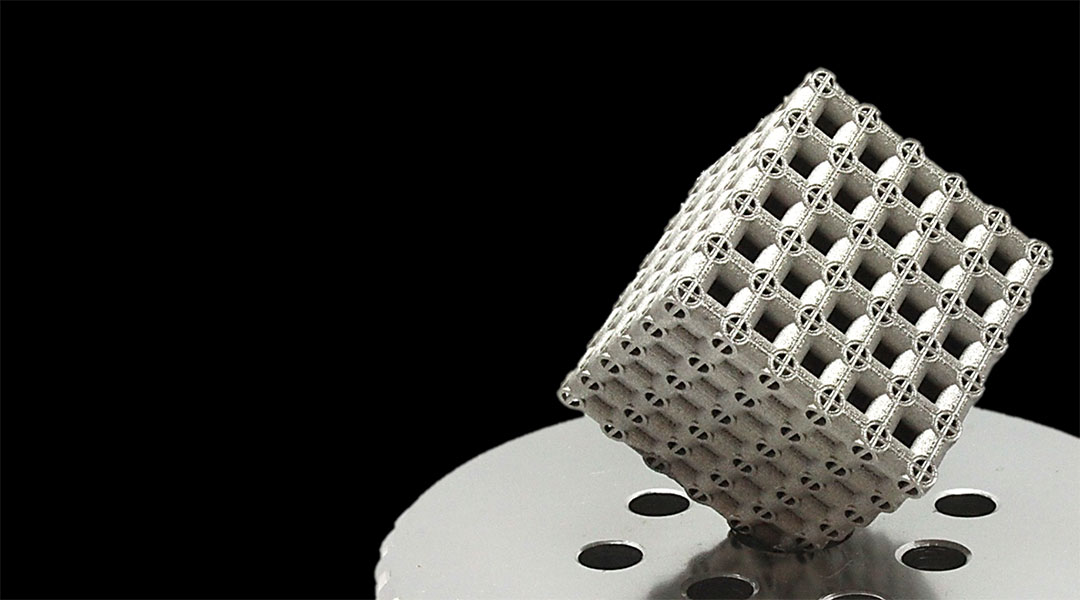
A groundbreaking titanium metamaterial with unparalleled strength and versatility could revolutionize manufacturing and high-speed aviation.
To develop medical treatments in space, scientists first need to understand how the body behaves in this foreign environment.
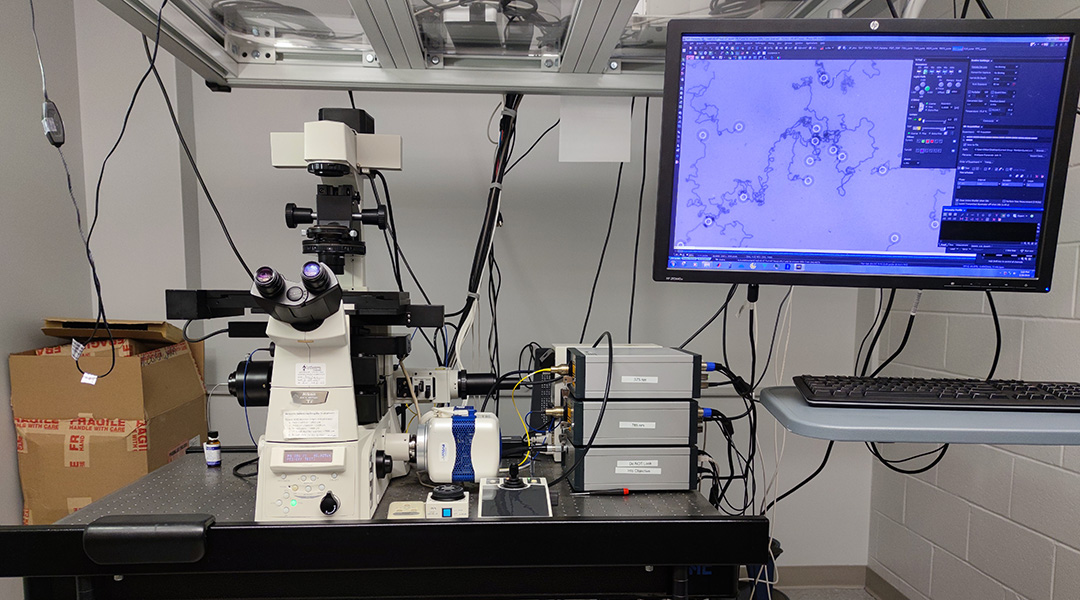
Scientists achieve threefold speed boost for DNA nanomotors and applied them to breakthrough virus detection for SARS-CoV-2 and RSV tests.
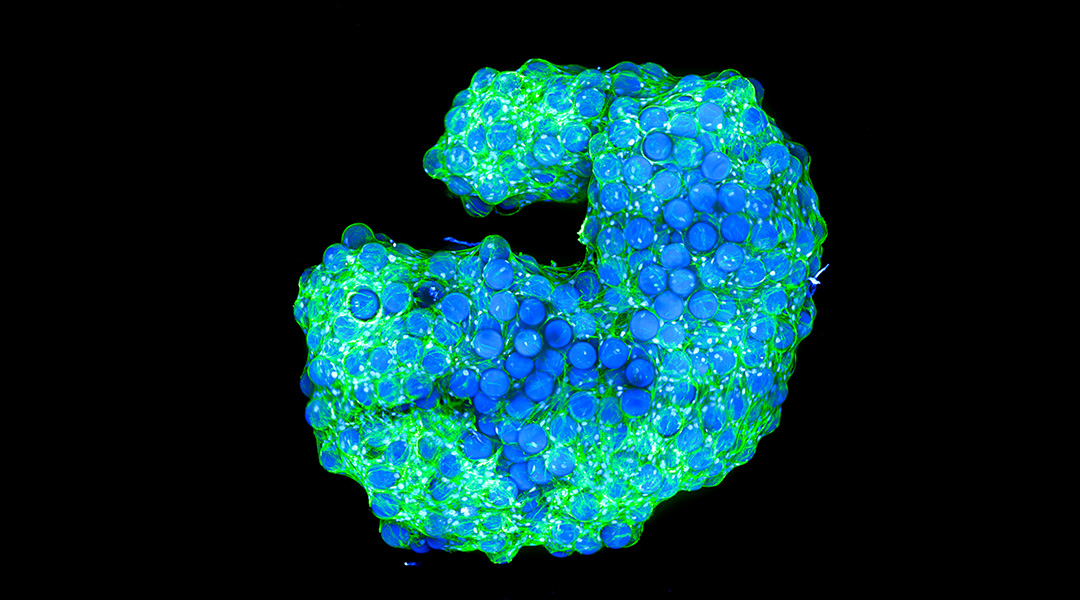
Scientists have created biological structures that when left alone, self-assemble into materials that resemble living tissue.
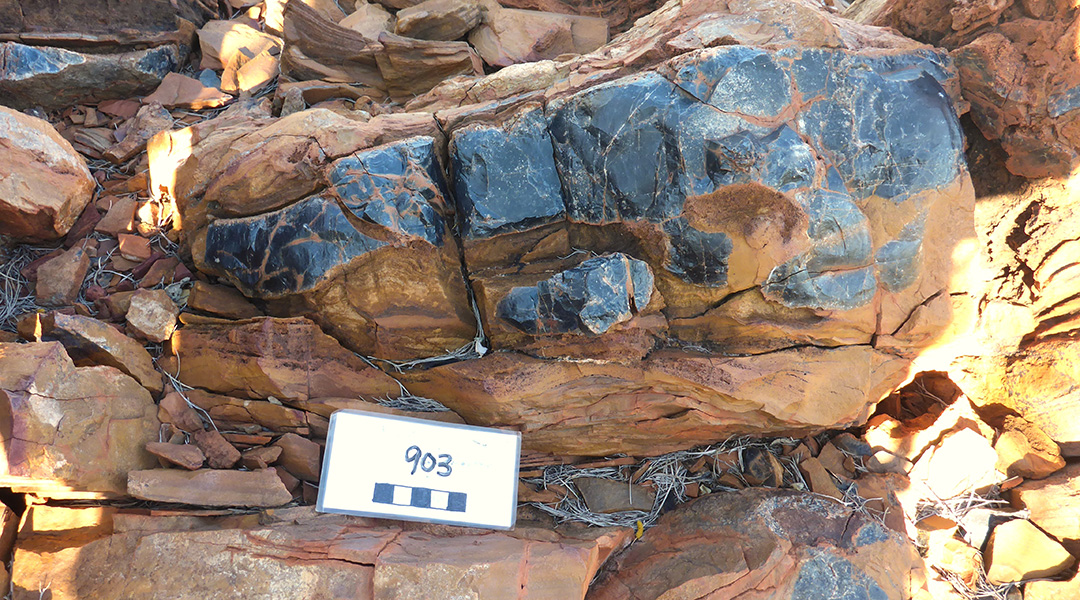
Scientists have unearthed a well-preserved microscopic fossil in Western Australia, challenging timelines and hinting at early eukaryotic life after the Great Oxidation Event 2.4 billion years ago.
 New theory suggests gravity is not a fundamental force
 Higgs boson may be driving the Universe’s expansion
 Water-powered gadgets may be on the horizon thanks to new evaporation-based energy device
 Scientists discover a new class of antibiotics
 Micron-sized hidden dimensions could solve two of physics’ deepest puzzles
 A new type of dark matter could explain mysterious radiation from the Milky Way’s core