A new 3D cell culture allows researchers to study how mechanical pressure influences stem cells for regenerative medicine and cell therapy.
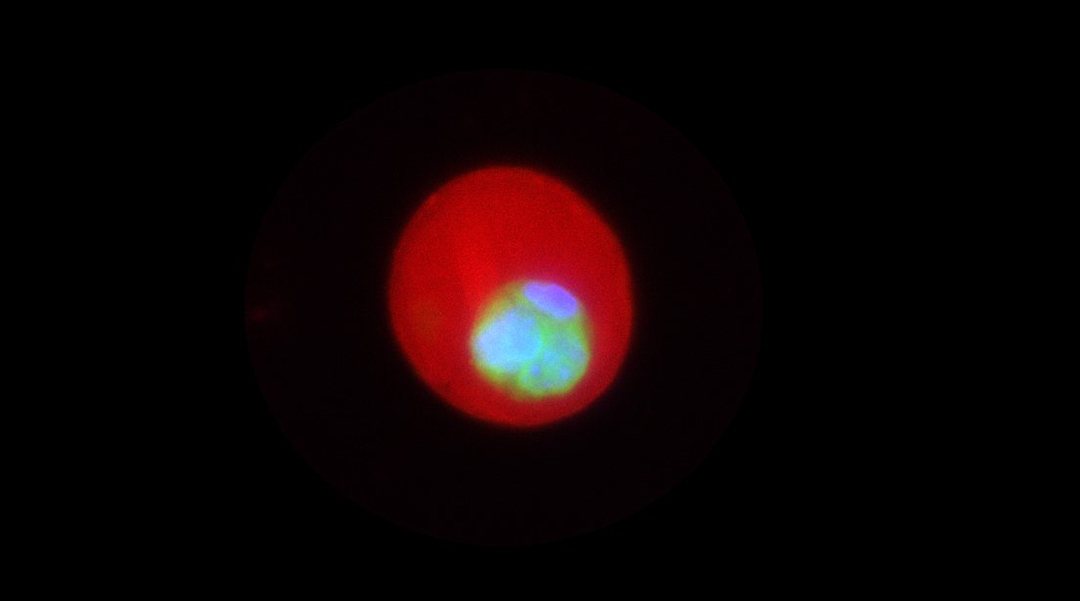

A new 3D cell culture allows researchers to study how mechanical pressure influences stem cells for regenerative medicine and cell therapy.
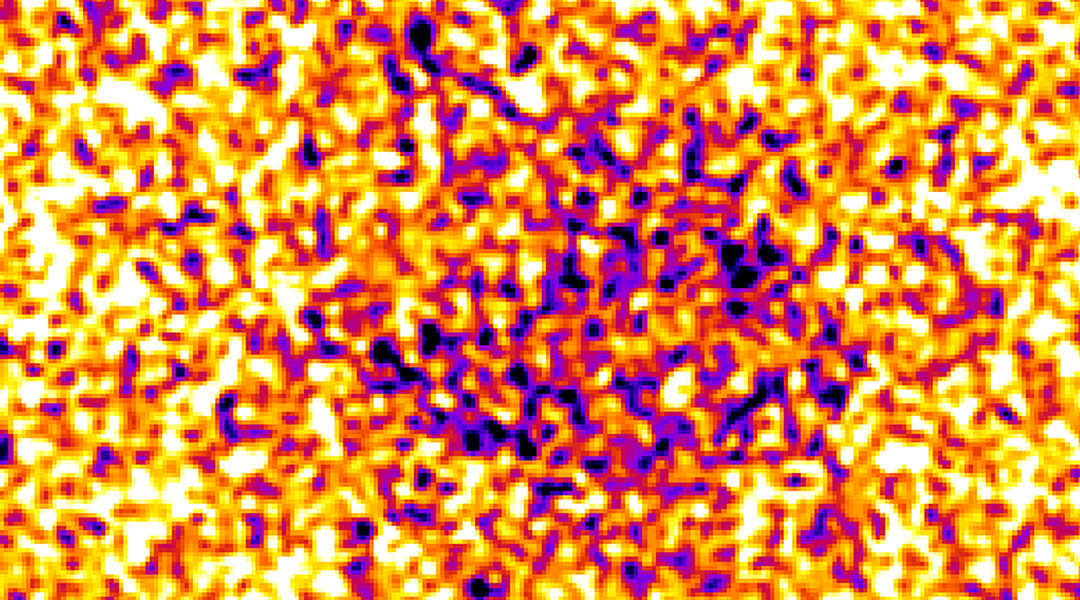
Scientists have built a microscope capable of live imaging of biological processes in such detail that moving protein complexes are visible.

Scientists are using crystal imperfections to generate secure encryption, paving the way for quantum-resilient data protection.
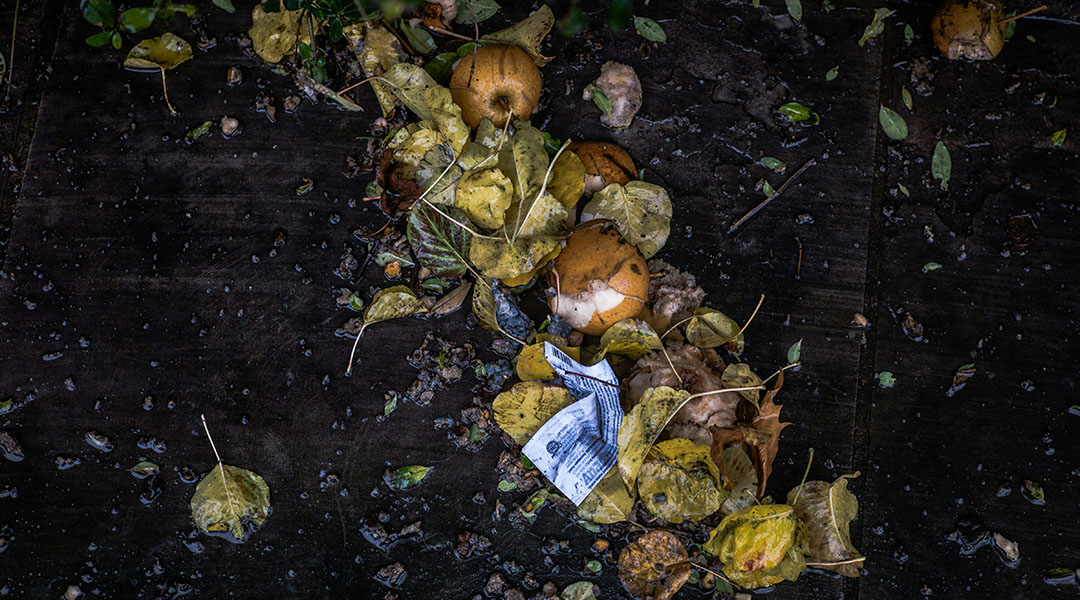
In the future, small electronics could be powered by fallen leaves, shed fur, and other waste materials found in nature.

The extinct species, named Ontocetus posti, lived nearly two million years before the modern walrus emerged.
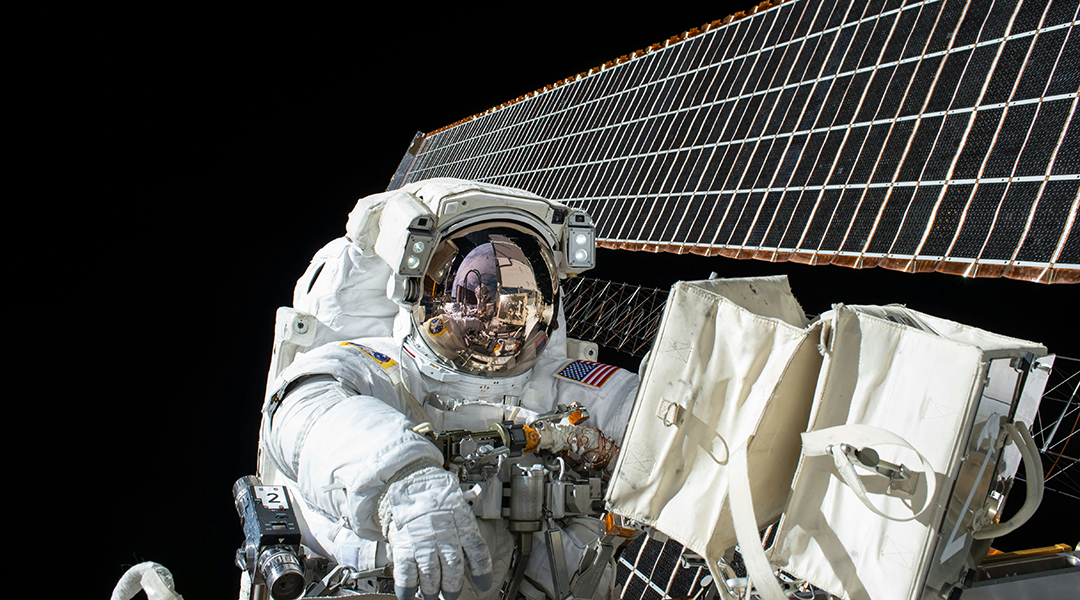
Future astronauts may be protected from galactic cosmic rays thanks to a novel organ-on-chip system containing interconnected human tissue.

A bottleneck event caused inbreeding in the last woolly mammoths, but scientists find this was not responsible for their demise on Wrangel Island.
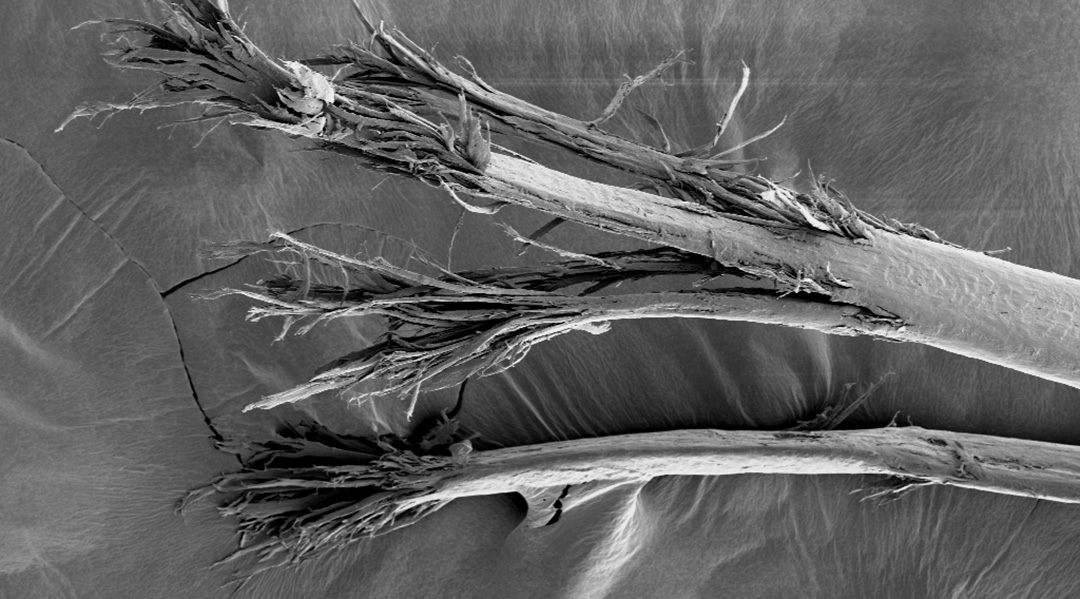
Materials scientists are applying biomechanics to understand how split ends contribute to our bad hair days—and what can be done to fix them.
1 in 10 women suffer from polycystic ovarian syndrome, yet its fundamental workings remain largely unknown.
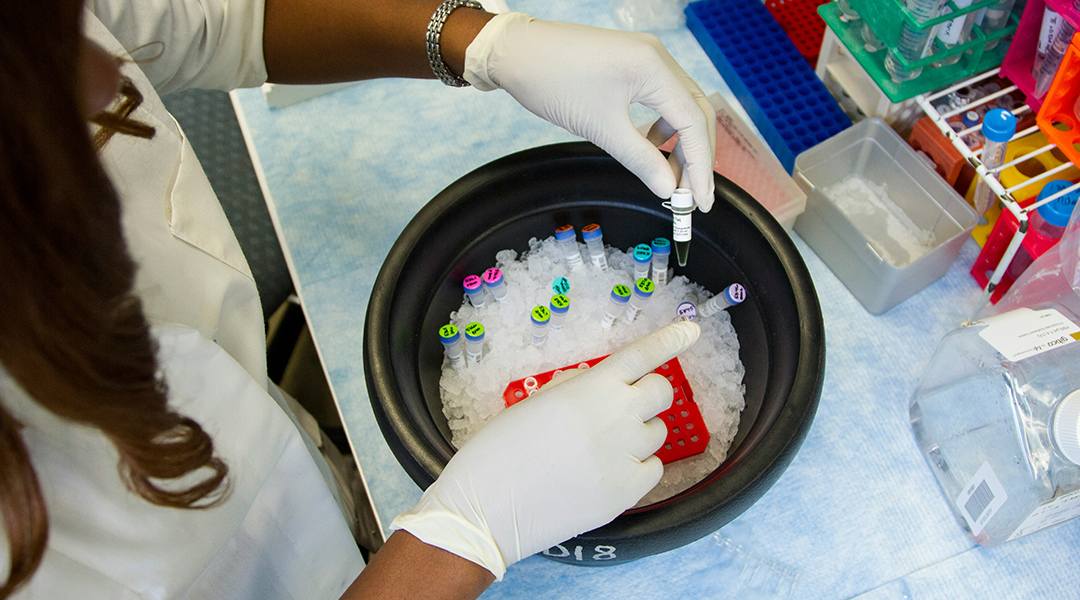
Typical diagnosis is through X-rays, but this new test has the potential to spot osteoarthritis before joint damage appears.
 New theory suggests gravity is not a fundamental force
 Higgs boson may be driving the Universe’s expansion
 Water-powered gadgets may be on the horizon thanks to new evaporation-based energy device
 Scientists discover a new class of antibiotics
 Micron-sized hidden dimensions could solve two of physics’ deepest puzzles
 A new type of dark matter could explain mysterious radiation from the Milky Way’s core