A new hydrogel platform helps monitor chemotherapies in the body in real-time, allowing their side effects and potency to be better understood.


A new hydrogel platform helps monitor chemotherapies in the body in real-time, allowing their side effects and potency to be better understood.

Chemically driven nanomotors may help resolve chronic inflammation in patients with rheumatoid arthritis.

Understanding how a completely different neural structure achieves the same function as the human brain opens up possibilities for designing new types of AI systems.
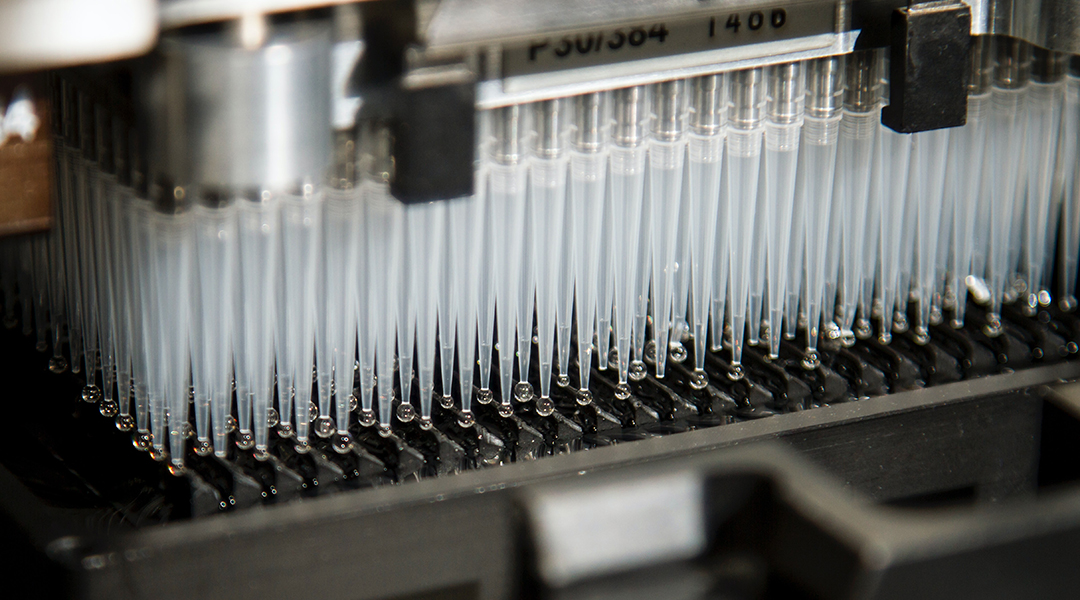
Stimulating neuron growth using a new mRNA therapy, researchers hope to treat chronic pain caused by disease, injury, or chemotherapy.

Optimizing plasma instabilities within a nuclear fusion reactor will pave the way for its use as a clean source of perpetual energy.
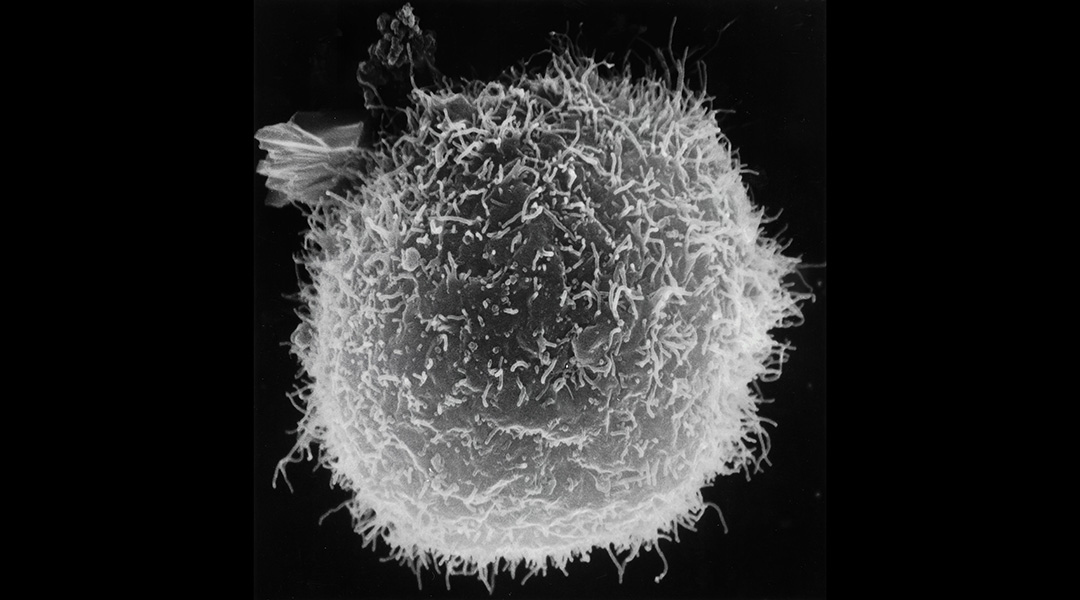
This nanoparticle cancer therapy hijacks biological processes to target cancer cells and destroy them with self-assembling components.

Using unique artificial microenvironments, chemical engineer Alison McGuigan is getting to the bottom of cell behavior.
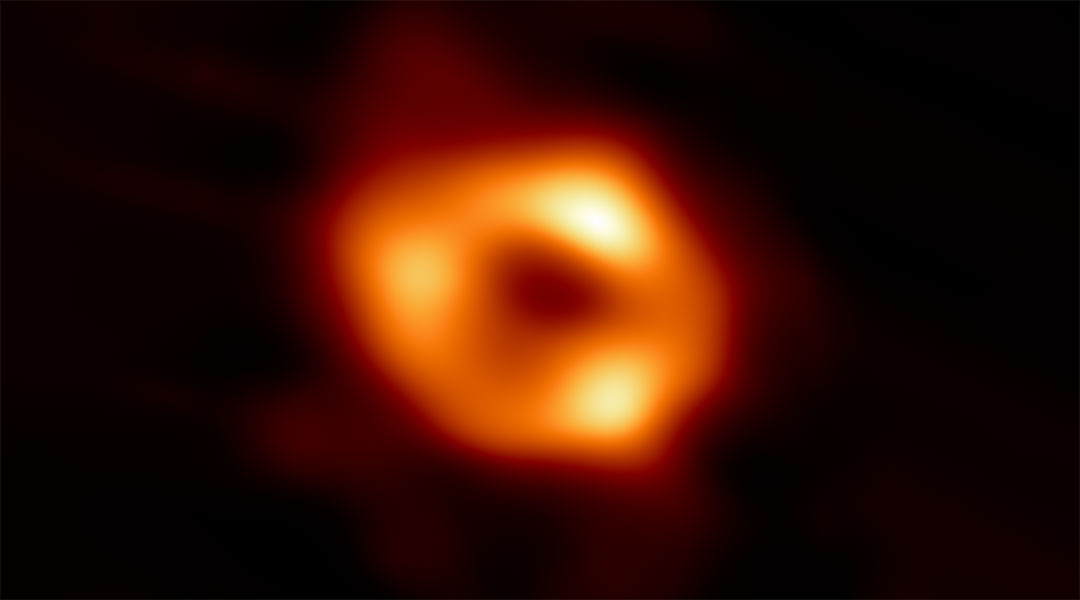
Imaging a black hole is not an easy thing, it takes years of experiments, collaborations, grants, planning, and no small amount of luck.

Direct air capture can find its roots in antiquity and will be a major technology for the future.

Physicists at the Gemini Observatory have found a new mass limit for massive stars, and found it to be lower than previously thought.
 New theory suggests gravity is not a fundamental force
 Higgs boson may be driving the Universe’s expansion
 Water-powered gadgets may be on the horizon thanks to new evaporation-based energy device
 Scientists discover a new class of antibiotics
 Micron-sized hidden dimensions could solve two of physics’ deepest puzzles
 A new type of dark matter could explain mysterious radiation from the Milky Way’s core