Celebrating “10 years of Advanced Energy Materials Research,” we chatted with Jang Wook Choi of SNU about his career and the future of battery research.


Celebrating “10 years of Advanced Energy Materials Research,” we chatted with Jang Wook Choi of SNU about his career and the future of battery research.

What are alternative technologies to lithium-ion batteries and what does the future hold for energy storage?

Researchers created liquid-metal battery that works at room-temperature. It promises more power than today’s lithium-ion batteries and can charge and deliver energy several times faster.
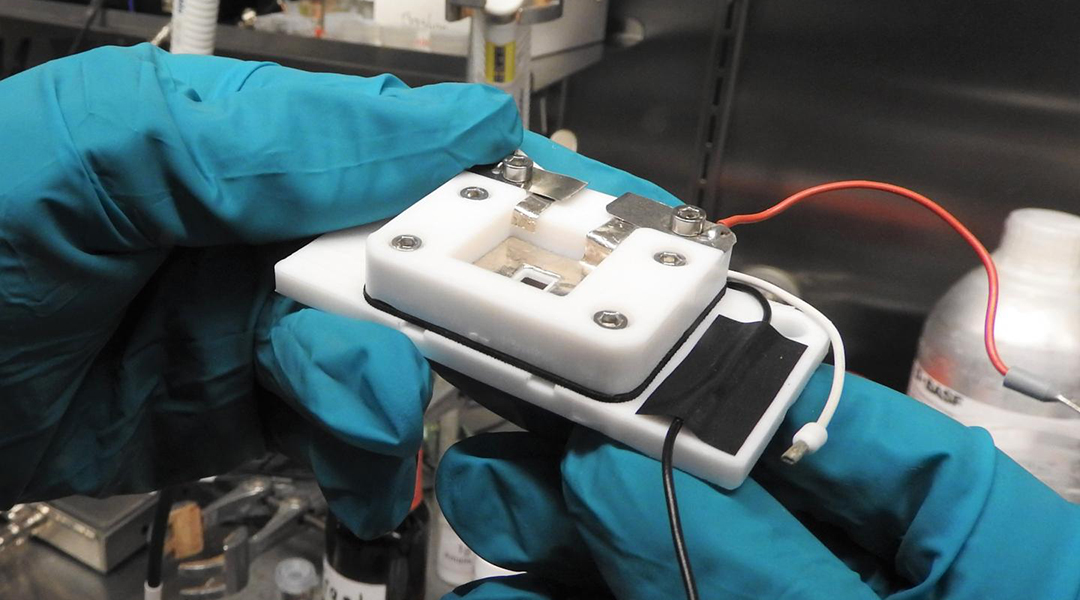
Chemists develop a new technique for observing chemical processes during battery operation.
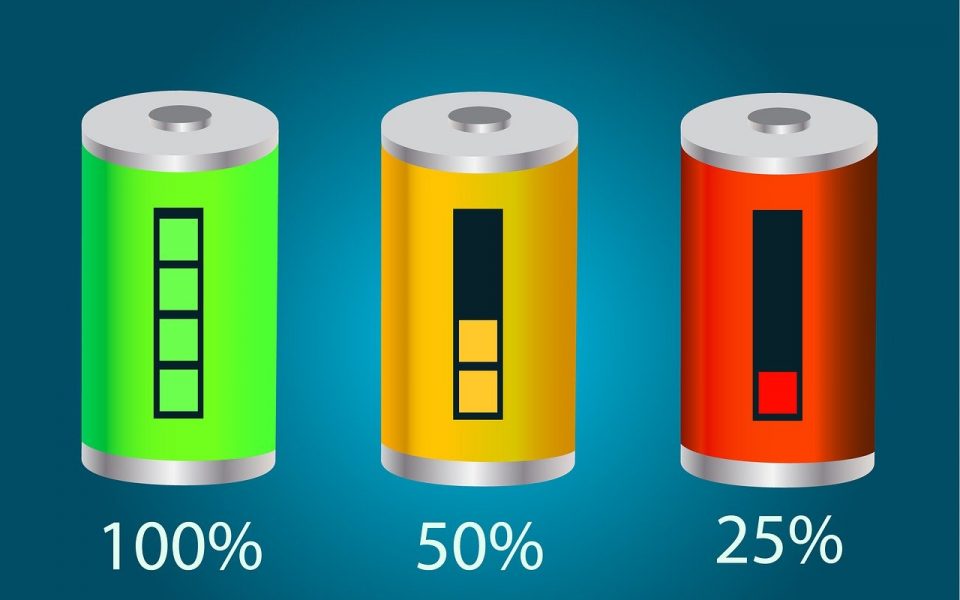
A new dielectric coating could help solve a long-standing problem and enhance the performance of lithium-rich materials.
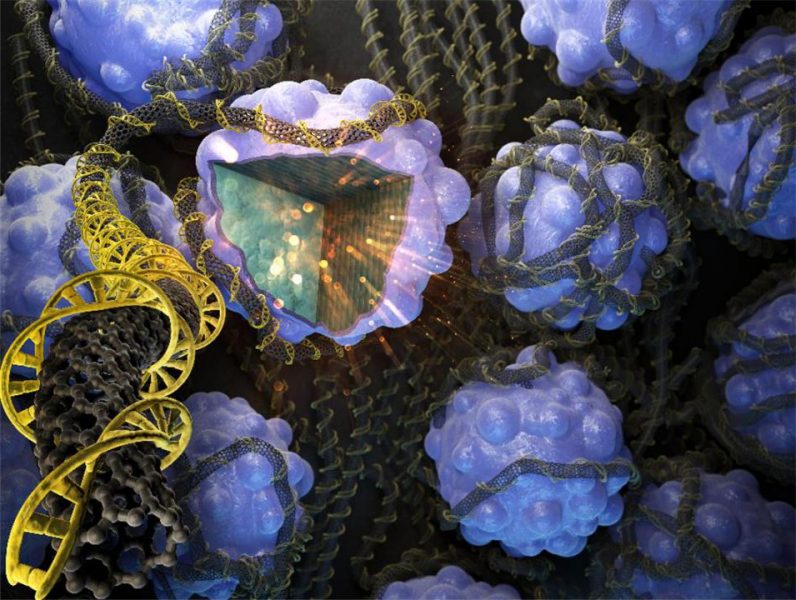
A Korean research team has succeeded in developing next-generation high-capacity cathode material for lithium-ion batteries using DNA from salmon and carbon nanotubes.
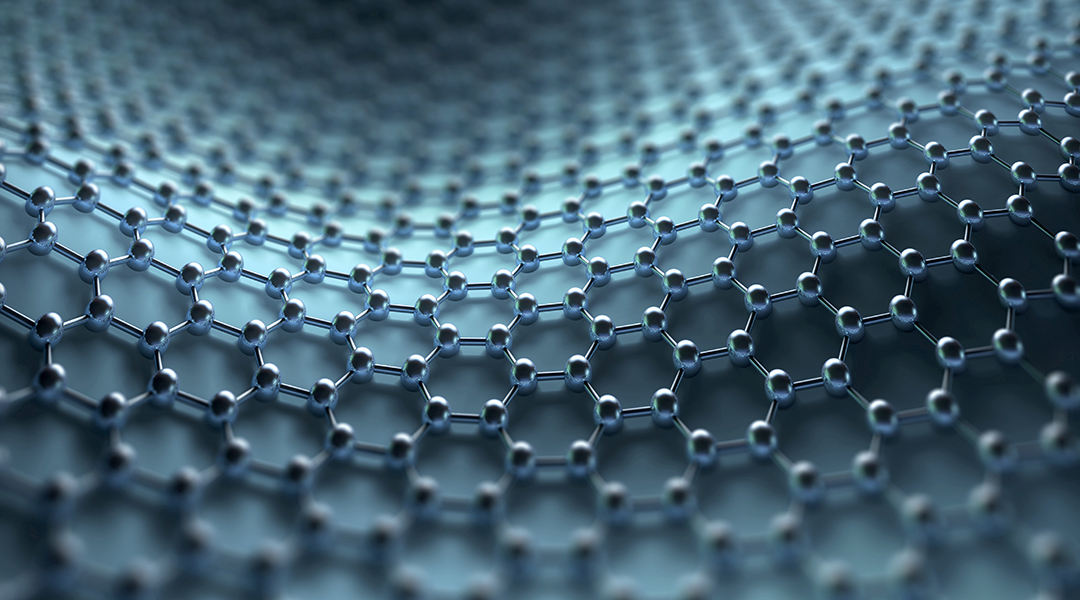
Computational screens allow researchers to efficiently determine how different elemental combinations can alter material properties to quickly identify 2D materials for next generation battery anodes.

Researchers propose printing electrodes for lithium-ion batteries on an inkjet printer, which will reduce the electrodes’ thickness by 10-20 times.
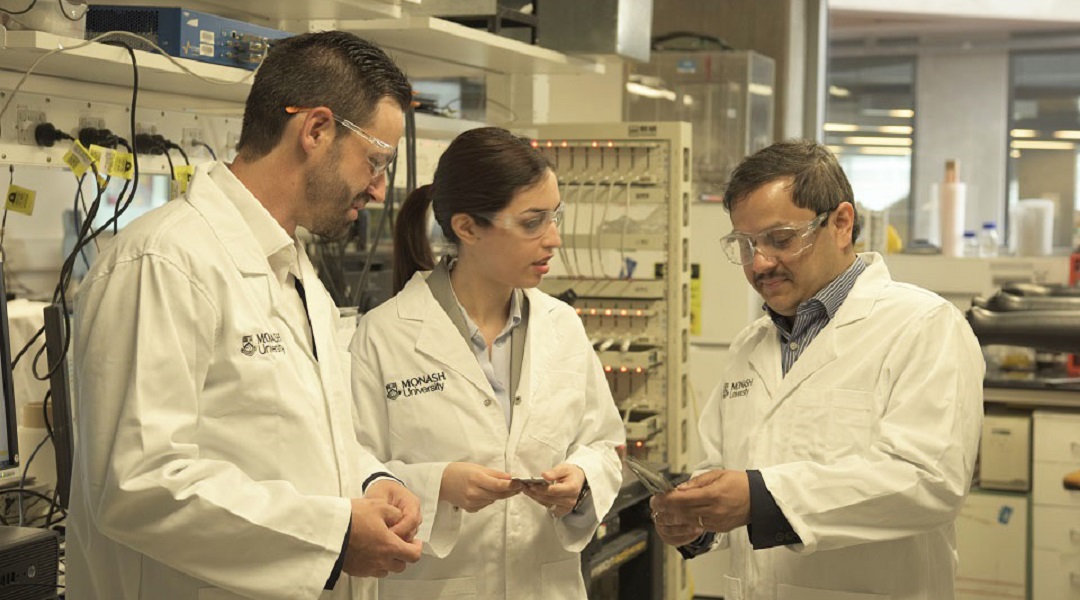
Monash University researchers have developed the world’s most efficient lithium-sulphur battery, capable of powering a smartphone for five continuous days.

Johannes Betz of the University of Münster identifies the key metrics required to properly evaluate and compare rechargeable battery systems.

 Soy protein fuels the future of eco-friendly solid-state batteries
 Microneedles enable 98% smaller, cheaper artificial pancreas
 Machine learning identifies anti-aging neuroprotective treatments
 Quantum router preserving delicate photon states may advance quantum technologies
 Teaching machines to quiet the noise in quantum computers
 3D printed scaffolds bring artificial bone closer to reality