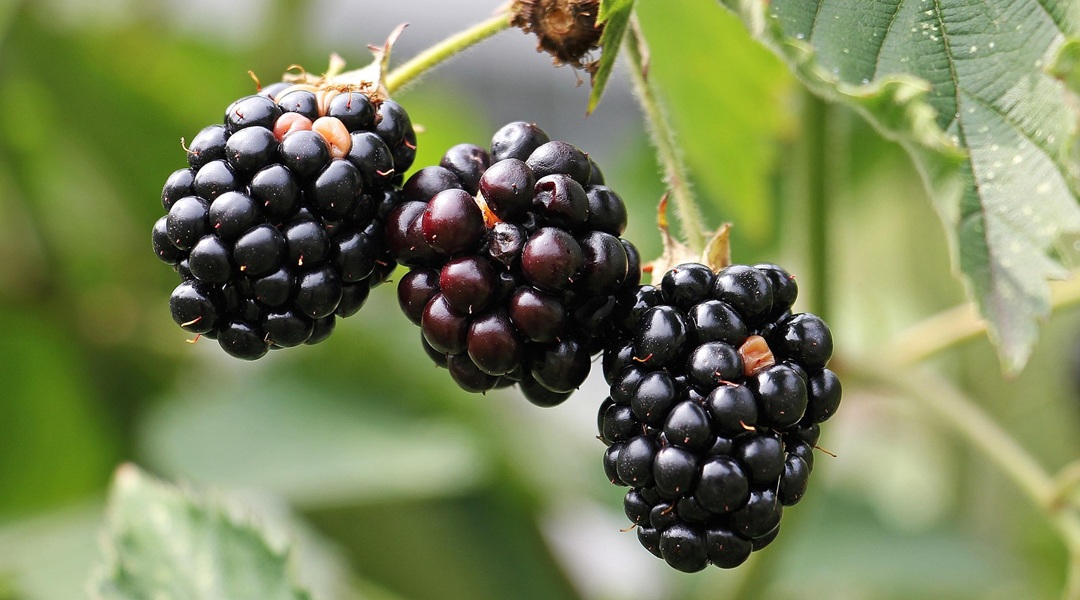
Animals and birds that eat fruits help spread plant seeds and shape ecosystems. Historically, researchers have argued that this mutualism has led fruits to evolve traits tailored to their consumers. The dispersal syndrome hypothesis suggests that fruit colour, size and texture align with the sensory abilities and feeding behaviours of different animals: mammals with poorer colour vision gravitate toward larger, tougher, low-contrast fruits, while colour-sensitive birds target smaller, fleshy fruits in striking reds, purples and blacks.
But few studies have actually counted how often animals interact with the fruits presumed to be made for them, and the patterns that do exist often stray from this theory. Overall, interactions between fruit-eating animals and plants don’t always support the fruit colour syndrome, suggesting real-world dynamics may be more complex.
João Vitor S. Messeder, a researcher at The Pennsylvania State University in the United States of America, and colleagues have now analysed the validity of the fruit colour syndrome using observational data from previous studies of fruit-eating birds, and conducted field experiments using artificial fruits.
Testing the validity of fruit colour syndrome
For the first part of their study, the researchers used data on the foraging patterns of fruit-eating birds from five ecosystems, including forests in Puerto Rico, Peru, Argentina and a tropical savanna in Brazil. For every region, fruiting plants and the count and colour of their fruits were documented along with the feeding patterns of birds. As predicted by the fruit colour syndrome, would birds preferentially choose black, red and purple fruits?
Surprisingly, the researchers noted only a weak link between birds and fruit choice based on colour. While black and red fruits were most commonly present across these five areas, green, grey, white, yellow and brown fruits were also available. Birds ate fruits of all colours to varying extents in the different ecosystems, with no obvious preference for the black and red fruits.
To study interaction levels between birds and novel fruits, the research team conducted fruit selection experiments using fake fruits at multiple sites in the USA and Argentina. The artificial fruits varied from natural, red or purplish-black fruits, and novel fruits were coloured blue.
According to the fruit colour syndrome, the birds should have preferentially picked red fruits, real or artificial, but not the unnatural blue fruits. However, the fruit-eating birds were drawn to the novel-coloured fruits, even with plenty of normal fruit available. While birds engaged most frequently with real fruits, their interactions with artificial fruits showed a preference for novel colours over artificial fruits that mimicked natural fruit colours.
“Our findings underscore the risks of attempting to predict ecological interactions from fruit colours and suggest that the relationship between fleshy fruit traits and frugivory interactions is more complex than the dispersal syndrome hypothesis proposes,” write the researchers.
Exploration and learning trump fruit colour for birds
Eating fruits depends on two different behaviours, dependent on exploration, learning and nutritional needs: exploration and exploitation. In the exploration phase, birds are curious about new resources, establishing the profitability of various fruits. If the resource is not considered rewarding, the bird may keep exploring or transition to exploitation. In the exploitation phase, birds use previously acquired knowledge, based on taste, nutrition, availability and ease of consumption, to decide which fruits to eat.
This new model proposed by Messeder et al. better encapsulates interactions between fruit-eating birds and plants. For instance, in their experiments with artificial fruits, birds that explored the fake fruits quickly learned that they were lacking in nutrition and did not return. On the other hand, plants with real fruits, once discovered, were repeatedly visited.
“Our analyses suggest that fruit colour does not play a major role in promoting or deterring fruit selection by birds,” add the researchers. “Instead, exploratory behaviours, coupled with learning and memory, provide a more compelling explanation for the observed interactions and fruit preference patterns.” Nutritional needs may very well explain why birds may choose fruits that would theoretically be meant for larger animals. This sort of redundancy in fruiting plant–animal interactions may also help further seed dispersal, sustaining diverse plant populations and ecosystems.
Reference: João Vitor S. Messeder et al., Rethinking the role of colour in avian fruit choices and foraging mechanisms, Functional Ecology (2025). DOI: 10.1111/1365-2435.70156
Featured Image Credit: NoName_13 via Pixabay