New insights into the decay of a hadron particle known as a charmonium could potentially reshape our understanding of particle interactions and challenge existing theories.



New insights into the decay of a hadron particle known as a charmonium could potentially reshape our understanding of particle interactions and challenge existing theories.

Tackling heat transfer, diamond layers help build 3D circuits with lower power consumption, faster signaling, and increased performance.

When the light absorbers are made very small, almost all the device performance metrics improve—but doing this is easier said than done.

An Ising machine built on lattice defects solves problems faster than conventional computers without the drawbacks of quantum systems.

Astronomers propose that an infrared glow observed in Jupiter’s atmosphere may be dark matter particles colliding.

This is just the beginning, say scientists working on the new technology.

Astronomers have discovered that black holes trigger the formation of galactic winds that greatly influence star formation.
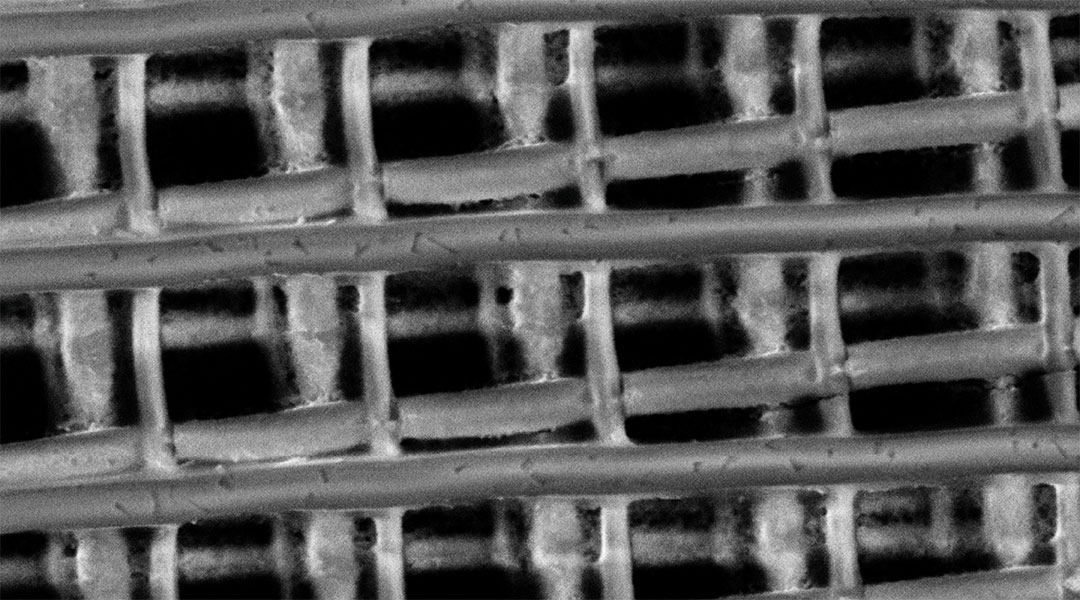
Their unprecedented control over light will lead to breakthroughs in telecommunications, medical imaging, and quantum computing.
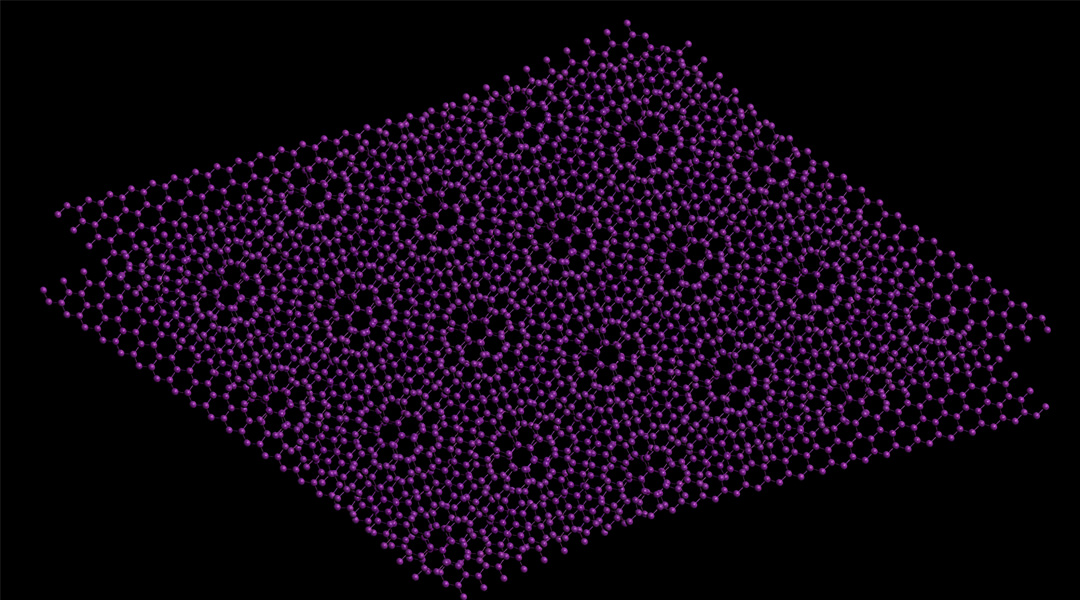
“Magic angles” in twisted bismuth bilayers could induce superconductivity at more reasonable temperatures.

Orbiting a cool, red dwarf star, Gliese 12 b offers insight into atmosphere retention near stars, sparking new questions about habitability.