Researchers have developed a new method to benchmark quantum computers by measuring their ability to create entangled qubit states.
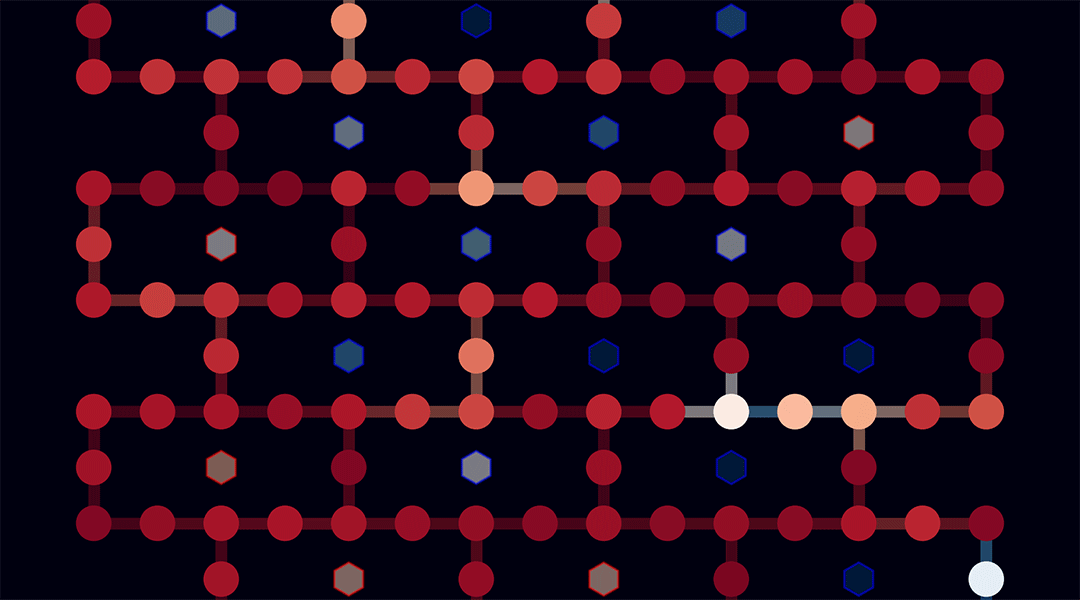


Researchers have developed a new method to benchmark quantum computers by measuring their ability to create entangled qubit states.

Scientists are using crystal imperfections to generate secure encryption, paving the way for quantum-resilient data protection.

Metasurfaces to detect terahertz radiation are making spectrometers smaller, lighter, and more efficient for space travel.
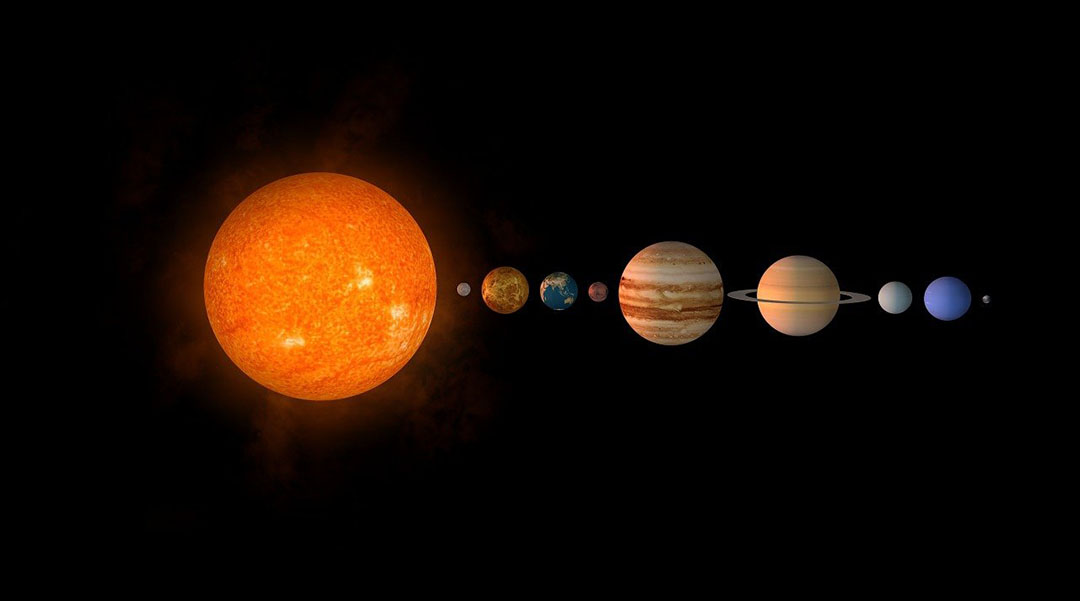
An ancient magnetic field drew matter inward and helped form our solar system’s planets, moons, and asteroids.
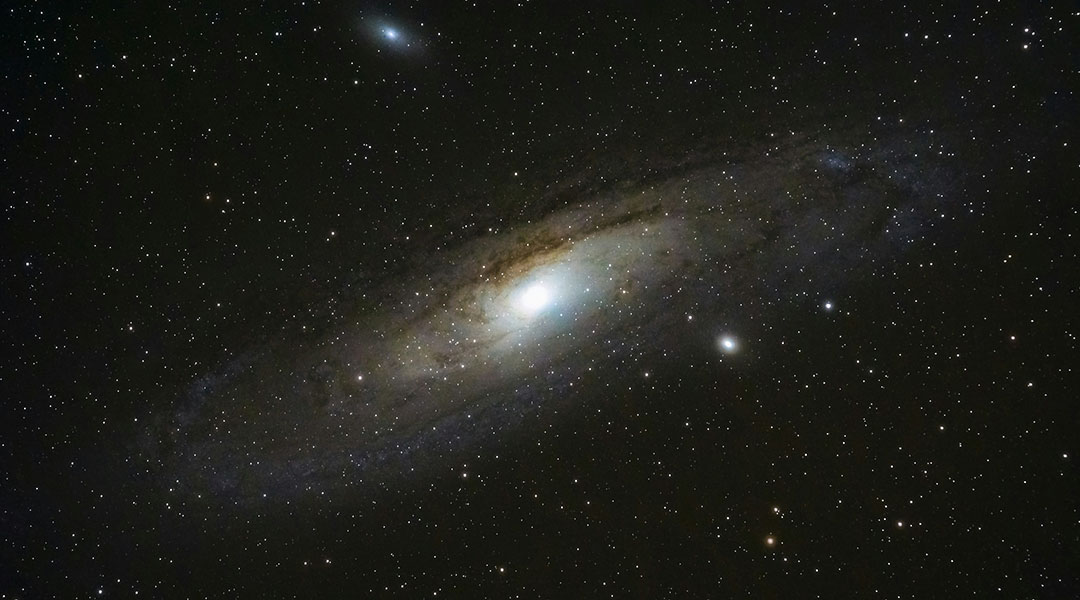
Links to observational data may have revealed the nature of magnetars and the origins of their extreme magnetic fields.
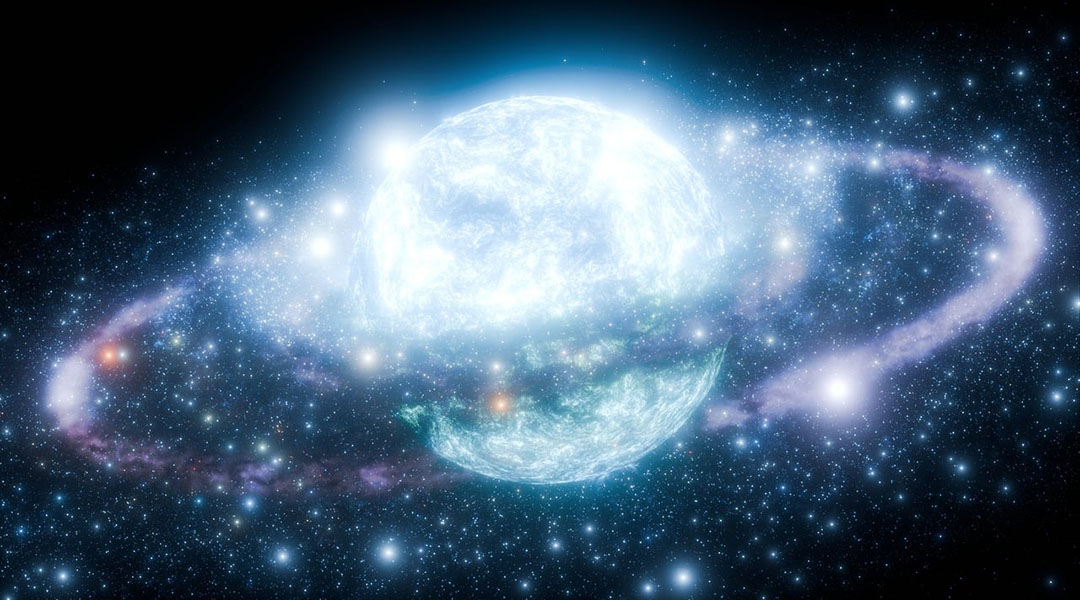
Dark matter may be gathering in dense clouds around neutron stars, potentially making it easier to observe it from Earth.
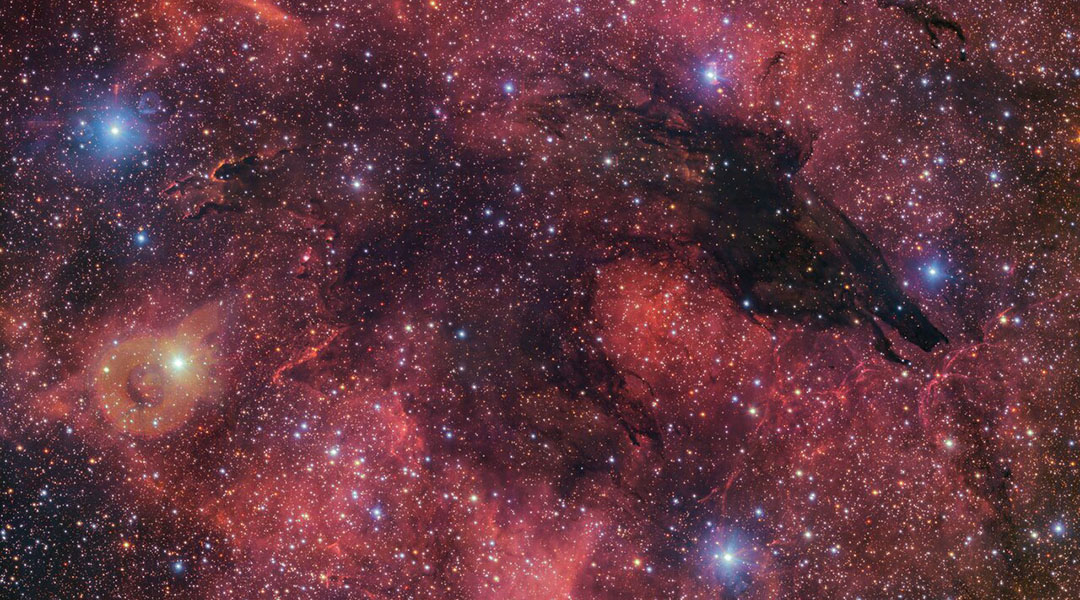
This image of a dark nebula creates the illusion of a wolf-like silhouette against a colorful cosmic backdrop.
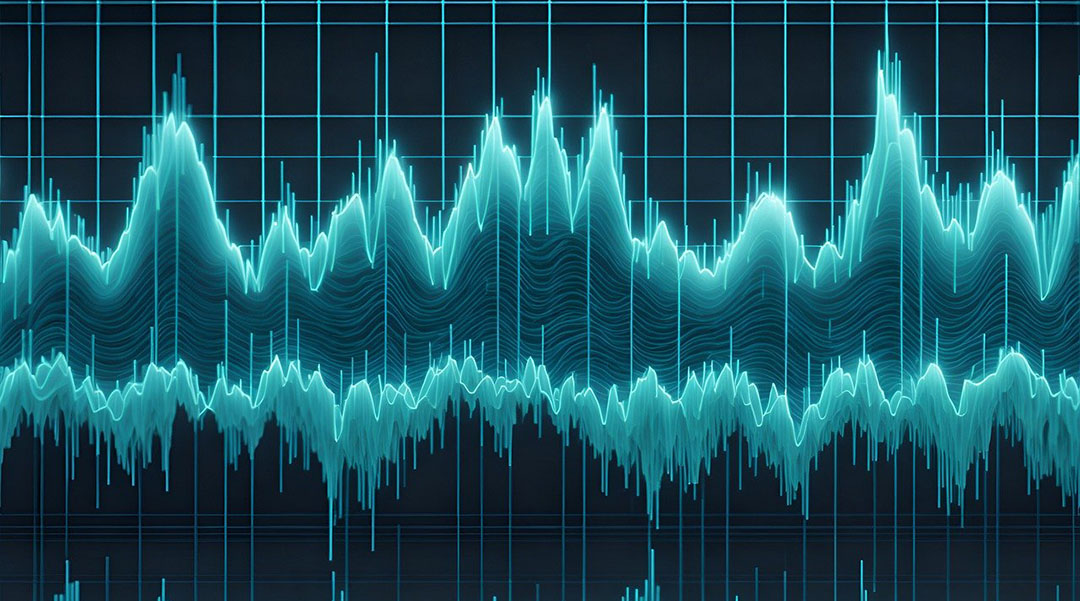
Machine learning is bringing forth the future of secure communication, swiftly identifying single photons that hold the key to quantum tech.

String theory could reshape our understanding of the Universe’s accelerating expansion and unlock the mysteries of dark energy.

Once relegated to theory, a newly discovered quantum object could be used to create new devices that will outpace modern electronics.