Scientists employ cutting-edge 3D printing to recreate human-like tissue, promising a breakthrough in cellular research and potential insights into aging and disease.
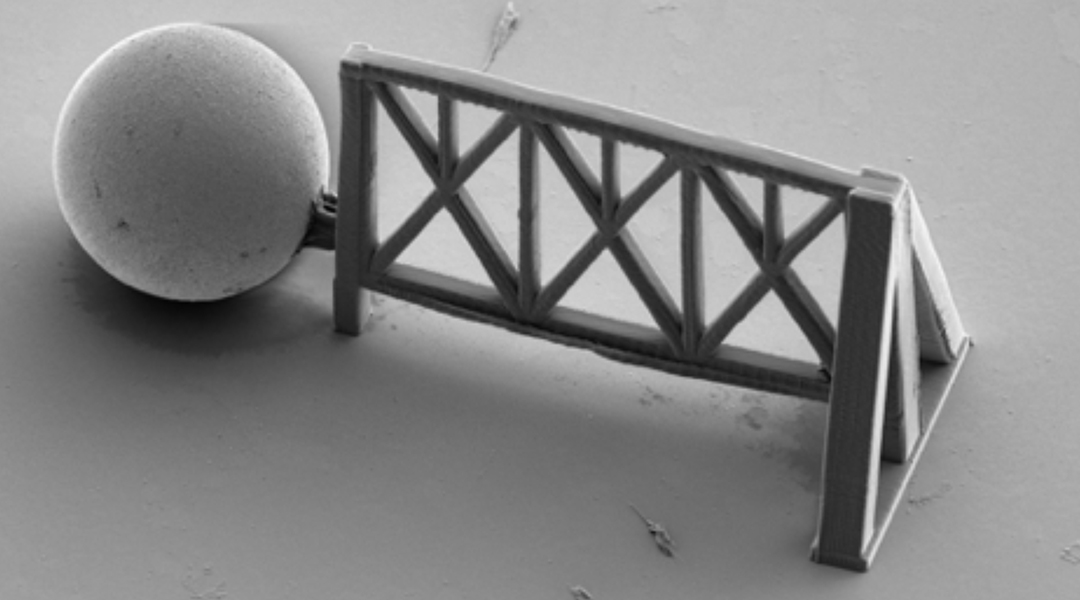


Scientists employ cutting-edge 3D printing to recreate human-like tissue, promising a breakthrough in cellular research and potential insights into aging and disease.
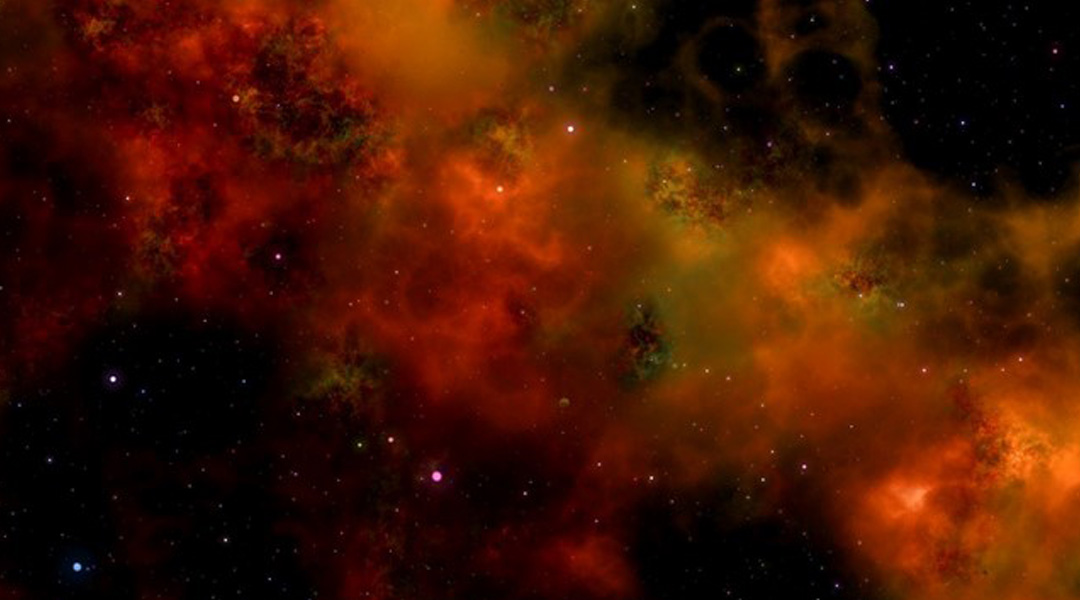
It’s looking less and less likely that the Hubble tension is a result of observational errors.

Scientists investigate the synergy of entanglement and curved spacetime in advancing quantum radar technology for precise distance measurement.
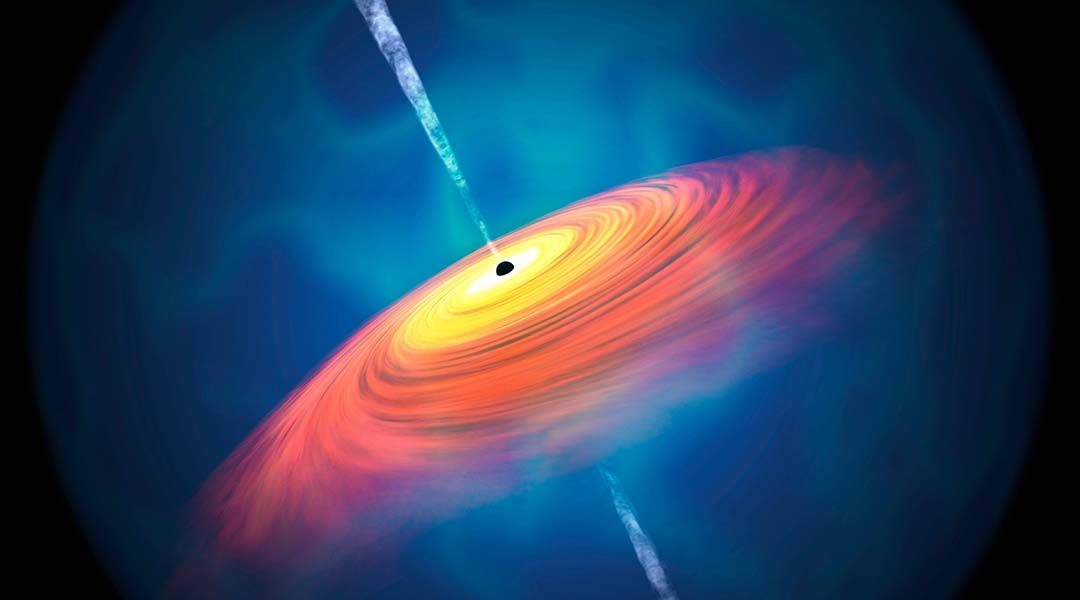
Scientists have only observed supermassive black holes one billion years after the Big Bang, but astrophysicists have now breached this barrier.

What if quantum computing could be simulated using hardware that isn’t so finicky?

First predicted in 1956, scientists have stumbled upon a massless, neutral particle that does not interact with light, colloquially named the “demon particle”.

Enhanced experimental precision has the potential to either confirm or dispel uncertainties surrounding the Standard Model of Physics.

Previously unobserved frequency changes in radio signals detected in a black hole binary system could change our understanding of black hole physics.

Promising candidates for efficient future electronics, researchers are exploring these exotic materials for better computer memory, hard drives, even quantum computers.
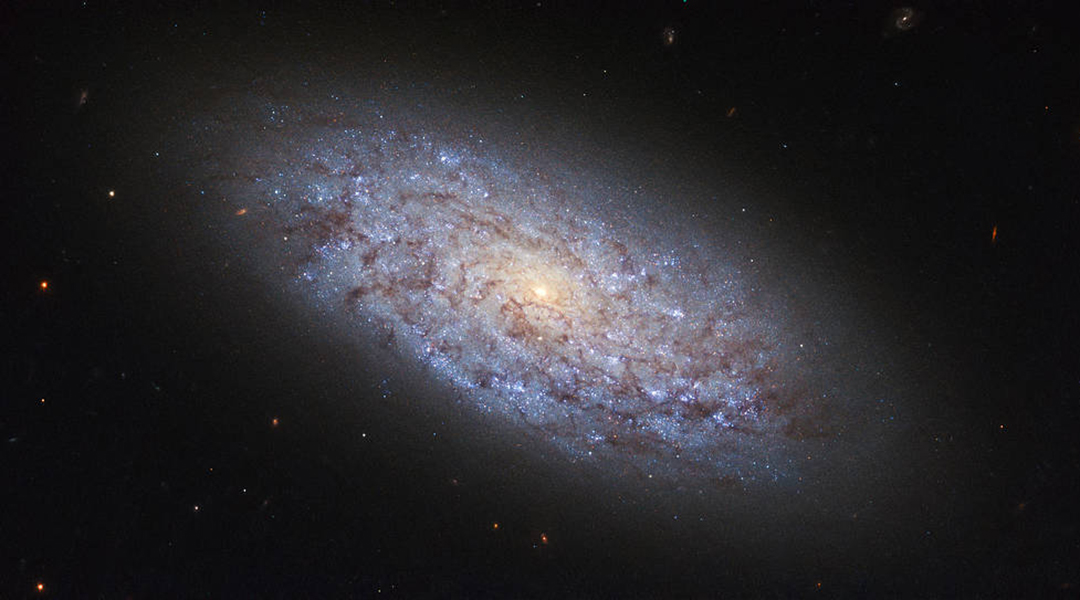
Using the galactic glow of dwarf galaxies, researchers investigate a hypothetical particle called an axion as a possible contender for dark matter.