Adhering complex oxide membranes onto metallic TiN-coated polymers enables flexible electronics.
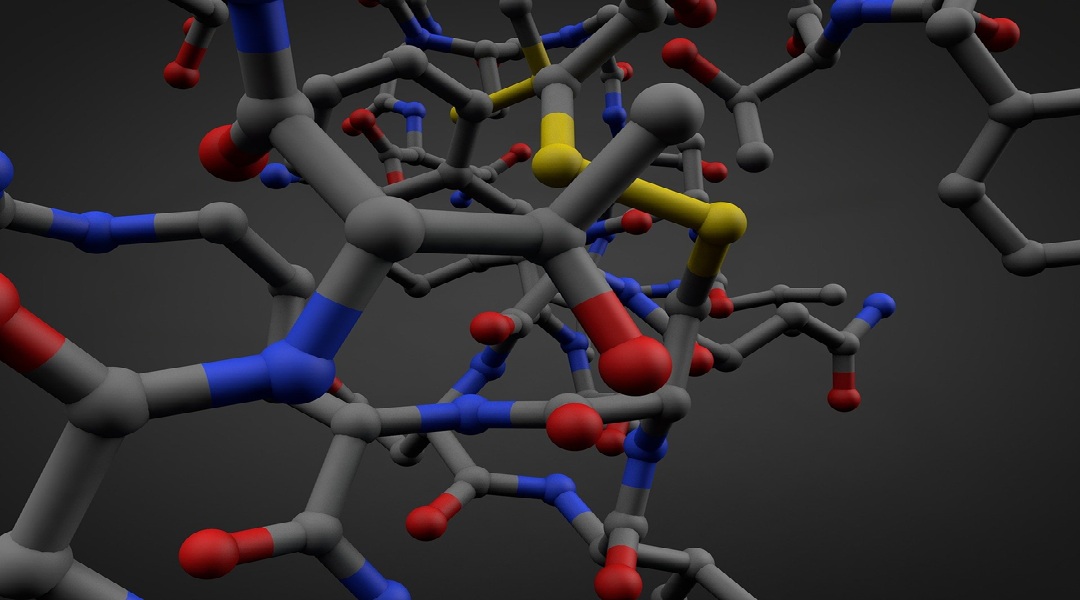


Adhering complex oxide membranes onto metallic TiN-coated polymers enables flexible electronics.

A matrix-driven approach enables strong white light emission using a flexible substrate.
Machine learning quickly and precisely diagnoses sources of noise in quantum computers.
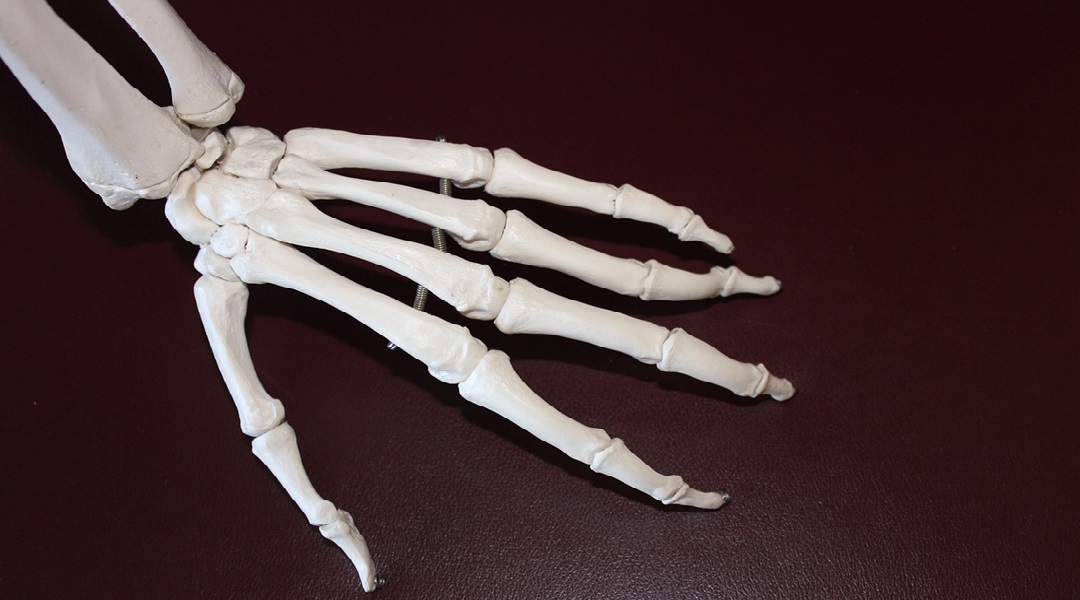
New 3D printed scaffolds more accurately mimic the structure and behaviour of natural bone.

Doppler cloak confuses radars by altering the phase of incoming radar waves in real time.
Low-loss router based on an interferometer preserves polarization while directing single photons and entangled pairs.
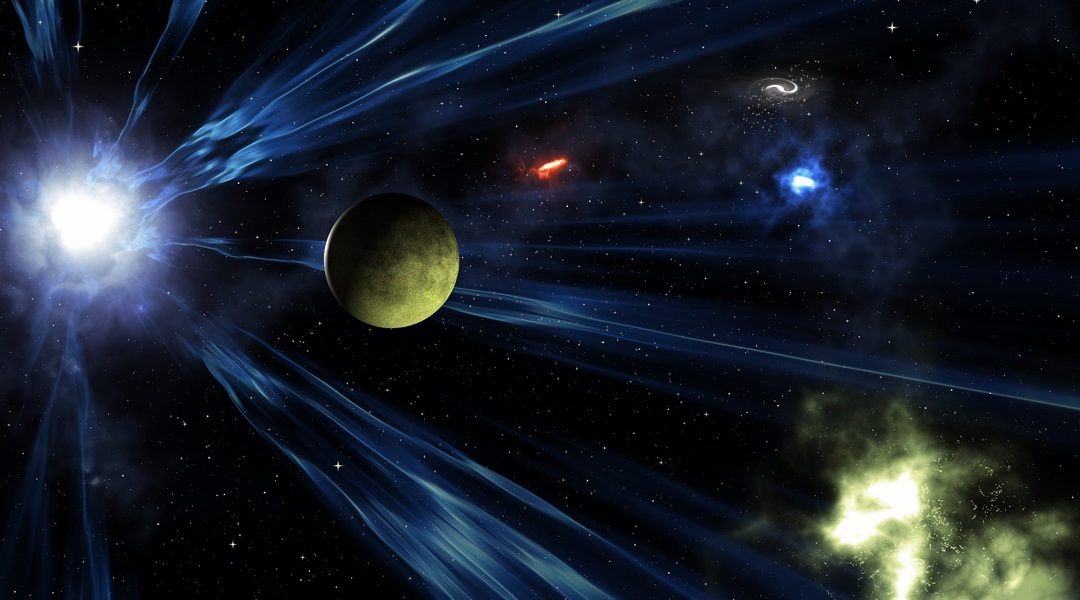
Extra dimensions at the microscale could be tested experimentally within 3-5 years.

Scientists created an “evapolectrics” generator that draws power directly from water evaporation, offering a sustainable, battery-free energy source from humidity.

A new theory proposes gravity isn’t a fundamental force but emerges from quantum electromagnetic interactions, potentially reshaping our view of spacetime itself.
Scientists created flexible probabilistic bits from custom polymers, offering a new, energy-efficient path for AI and machine learning using classical physics.