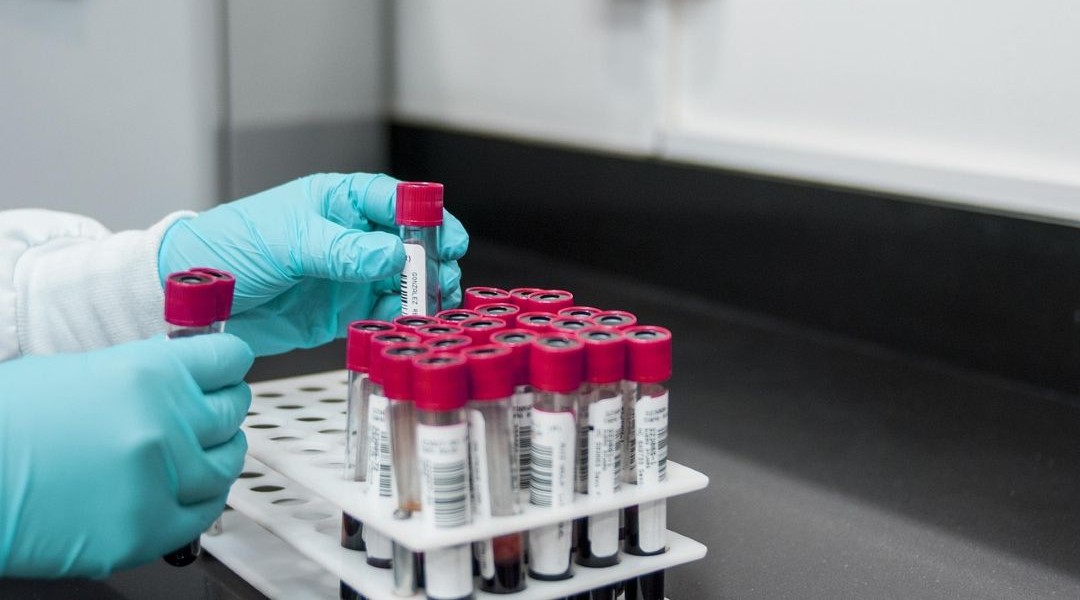
Implementing multi-cancer blood tests in routine screening could help doctors diagnose cancer at earlier stages, when treatment is more effective and patients are more likely to survive the cancer.
Harvard researchers have simulated the long-term effects of introducing this type of cancer testing in routine screening. According to their predictions, yearly screenings with a multi-cancer blood test would massively shift cancer detection to earlier stages over the course of 10 years, reducing by 45% the number of late-stage diagnoses, where the cancer has spread and often become resistant to treatment.
“Our analysis shows that multi-cancer blood tests could be a game changer for cancer control,” said Jagpreet Chhatwal, lead author of the study and director of the Institute for Technology Assessment at Massachusetts General Hospital and Harvard Medical School. “By detecting cancers earlier—before they spread—these tests could potentially improve survival and reduce the personal and economic burden of cancer.”
In the U.S., about half of cancer cases are diagnosed at an advanced stage. Despite the importance of early diagnosis, routine screening is currently recommended for only four types of cancer: breast, cervical, colorectal, and lung cancer. This leaves approximately 70% of new cancer cases with no screening tests available, meaning they are often not diagnosed until symptoms appear in later stages.
Multi-cancer early detection tests are a new technology that looks for proteins and DNA released by cancer cells in a blood sample. With the help of machine-learning algorithms, these tests can not just identify whether a patient is likely to have cancer, but also where it is located and how advanced it is. Although results need to then be confirmed with further testing, these blood tests can give doctors an early warning to help them catch cancer early.
Some multi-cancer blood tests are already available to patients, but none are yet FDA-approved. One reason for this is that more research needs to be done to determine if they can offer an improvement in cancer care significant enough to warrant spending valuable time and resources implementing them in routine practice.
However, years will pass before there is enough long-term real-world data measuring the effectiveness of these tests. In the meantime, Chhatwal and colleagues developed a simulation tool to predict whether and how much these tests could shift cancer diagnoses to earlier stages.
The team simulated the effects of introducing multi-cancer testing into routine screening for five million adults in the U.S. aged 50 to 84 years old. The model simulated a total of 14 types of solid tumors covering nearly 80% of new cancer diagnoses. However, no common blood cancers, such as leukemia or lymphoma, were included due to technical limitations.
After 10 years of yearly screenings, the model predicted that multi-cancer blood tests would increase the number of stage I diagnoses by 10%, stage II diagnoses by 20%, and stage III diagnoses by 30%, while reducing advanced stage IV diagnoses by 45%. The largest reductions in the total number of late diagnoses were predicted in lung, colorectal and pancreatic cancers, which are known for being particularly aggressive and currently have some of the lowest survival rates.
Compared to alternative scenarios where the simulated patients were tested every two or three years, yearly testing doubled the reduction in late-stage diagnoses. To account for a more realistic setting, the researchers also simulated a scenario where only 50% of people followed the recommendations for routine testing, which still led to a 24% reduction in advanced diagnoses.
Based on these results, Chhatwal is confident that multi-cancer testing “has the potential to substantially reduce late-stage cancer diagnoses, improve outcomes across multiple cancer types, and address a critical gap in screening.” Still, he stressed this technology is not meant to replace, but rather add to and improve, routine cancer screenings.
Going forward, the researchers aim to quantify how many deaths could be prevented by shifting cancer detection to earlier stages, look into the short- and long-term economic impact of multi-cancer testing, and identify who may benefit the most from this form of cancer screening.
Reference: J. Chhatwal et al., The impact of multicancer early detection tests on cancer stage shift: A 10-year microsimulation model, Cancer (2025), DOI: 10.1002/cncr.70075