A robot with a unique shape could make it possible to perform ultrasound scans deep within the gut, helping doctors diagnose colorectal cancer.
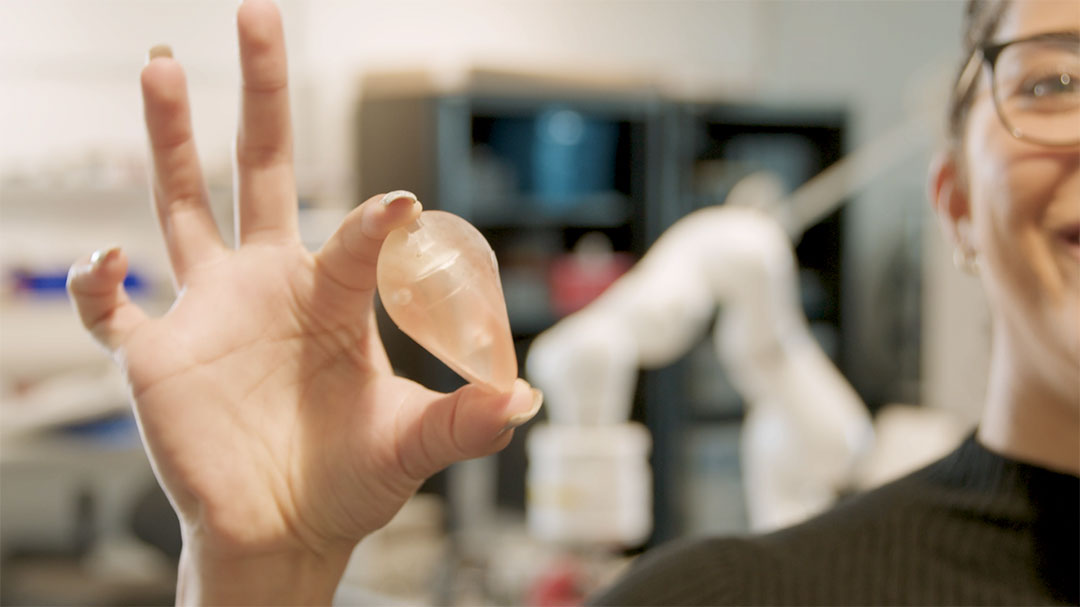

A robot with a unique shape could make it possible to perform ultrasound scans deep within the gut, helping doctors diagnose colorectal cancer.
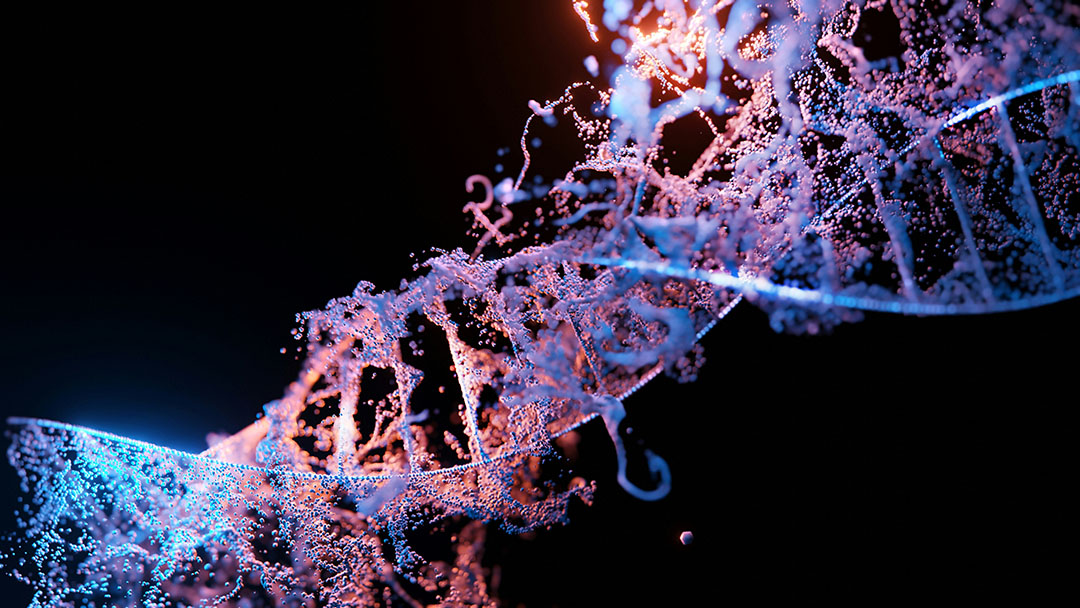
Scientists have developed a CRISPR-based diagnostic that detects pathogens in blood with million-fold greater sensitivity—without the need for DNA amplification.
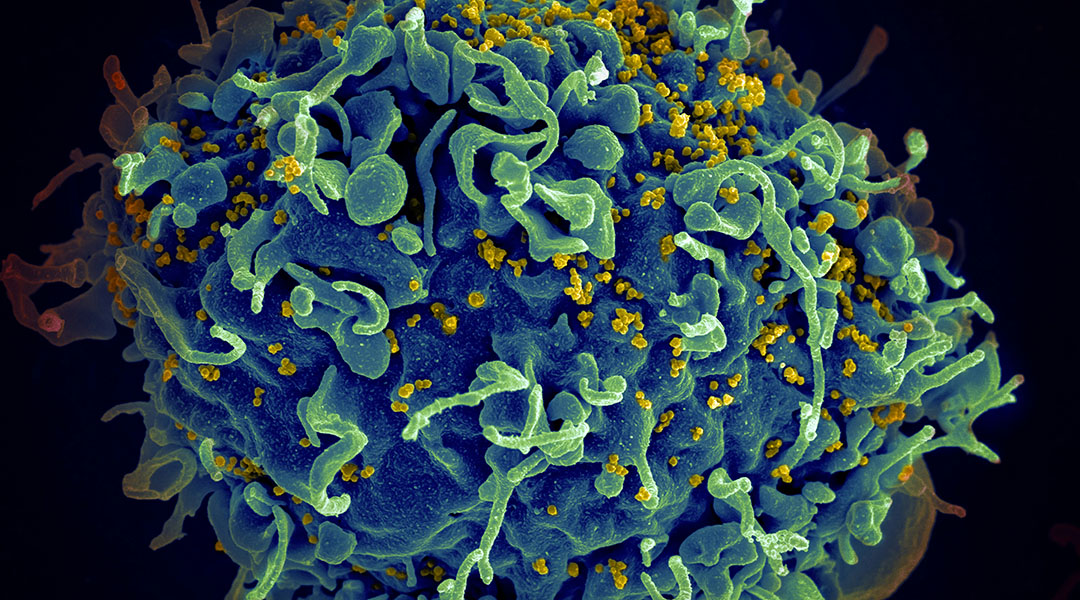
Scientists have identified key biomarkers linked to immune and metabolic dysfunction in people with HIV on long-term antiretroviral therapy.

Microplastics facilitate a “super slime” that is resistant to antibiotics, sparking concern about antibiotic resistance in heavily polluted areas.
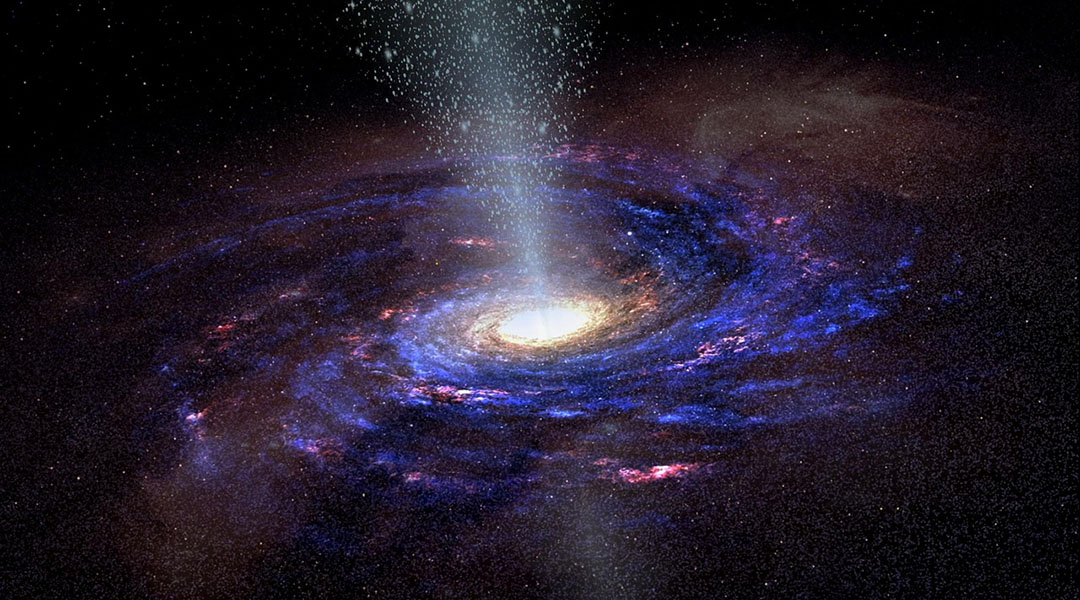
Dark matter could be composed of much lighter particles, with masses roughly ten times smaller than that of a proton.
Scientists in Finland have developed a method that can achieve a tenfold increase in pesticide retention on farmed crops.
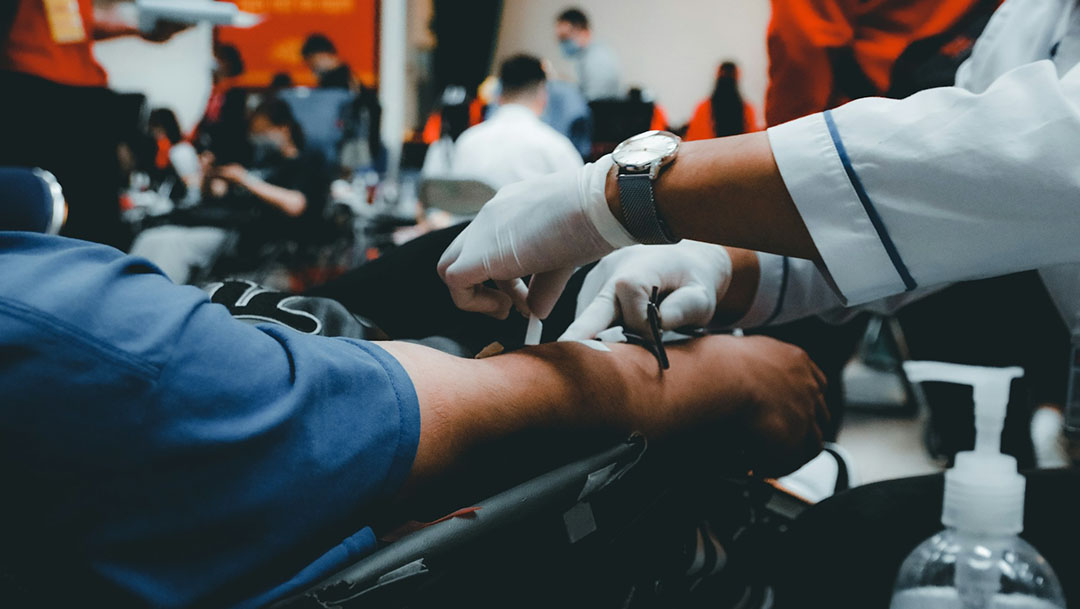
Regular blood donation may reduce preleukemic changes in blood cells, promoting health benefits and helping blood cells respond to stress over time.
If experimentally proven that gravity is classical, we will have to start from the beginning in a search for a satisfactory ontological picture of the world.
A new study targets feature selection, a key step in machine learning where the algorithm determines which parts of the input data are most relevant to making accurate predictions.
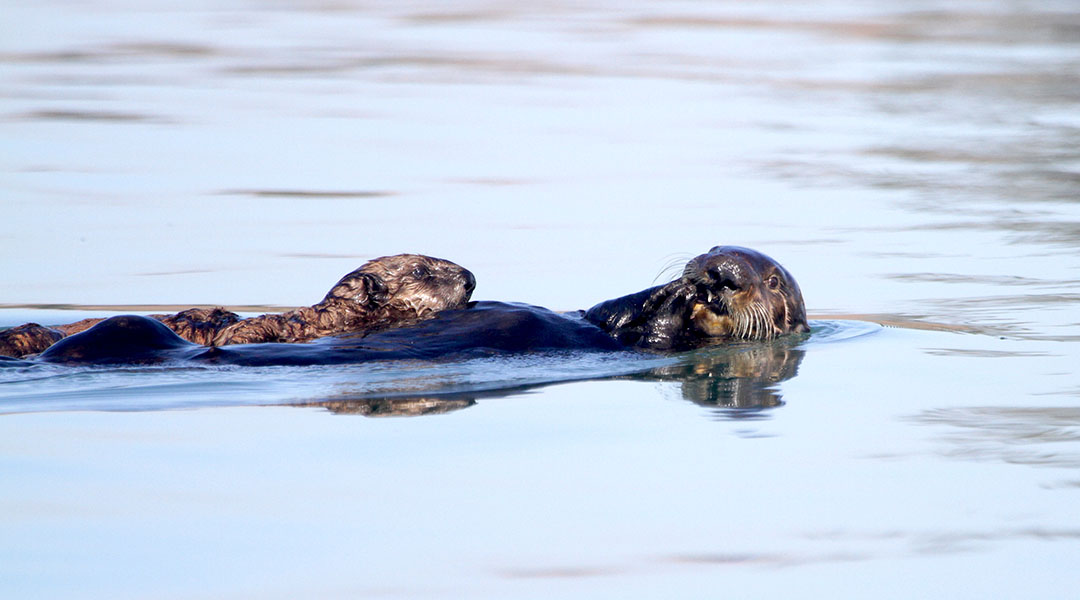
A comprehensive study by Sea Otter Savvy reveals the significant energy costs of human disturbance on sea otters, highlighting the need for better conservation practices to protect these vulnerable marine mammals.
 New theory suggests gravity is not a fundamental force
 French WEST reactor breaks record in nuclear fusion
 Higgs boson may be driving the Universe’s expansion
 Researchers replicate gravitational lensing in the lab
 Water-powered gadgets may be on the horizon thanks to new evaporation-based energy device
 Cold shock from ice baths leads to stronger cells